What are adaptogens, and do they work?
Not reliably, on today’s evidence. Adaptogens are herbs sold to help you cope with stress. Europe’s medicines agency says the word isn’t accepted in medicine. Yet one herb’s trials stand out.
On this page
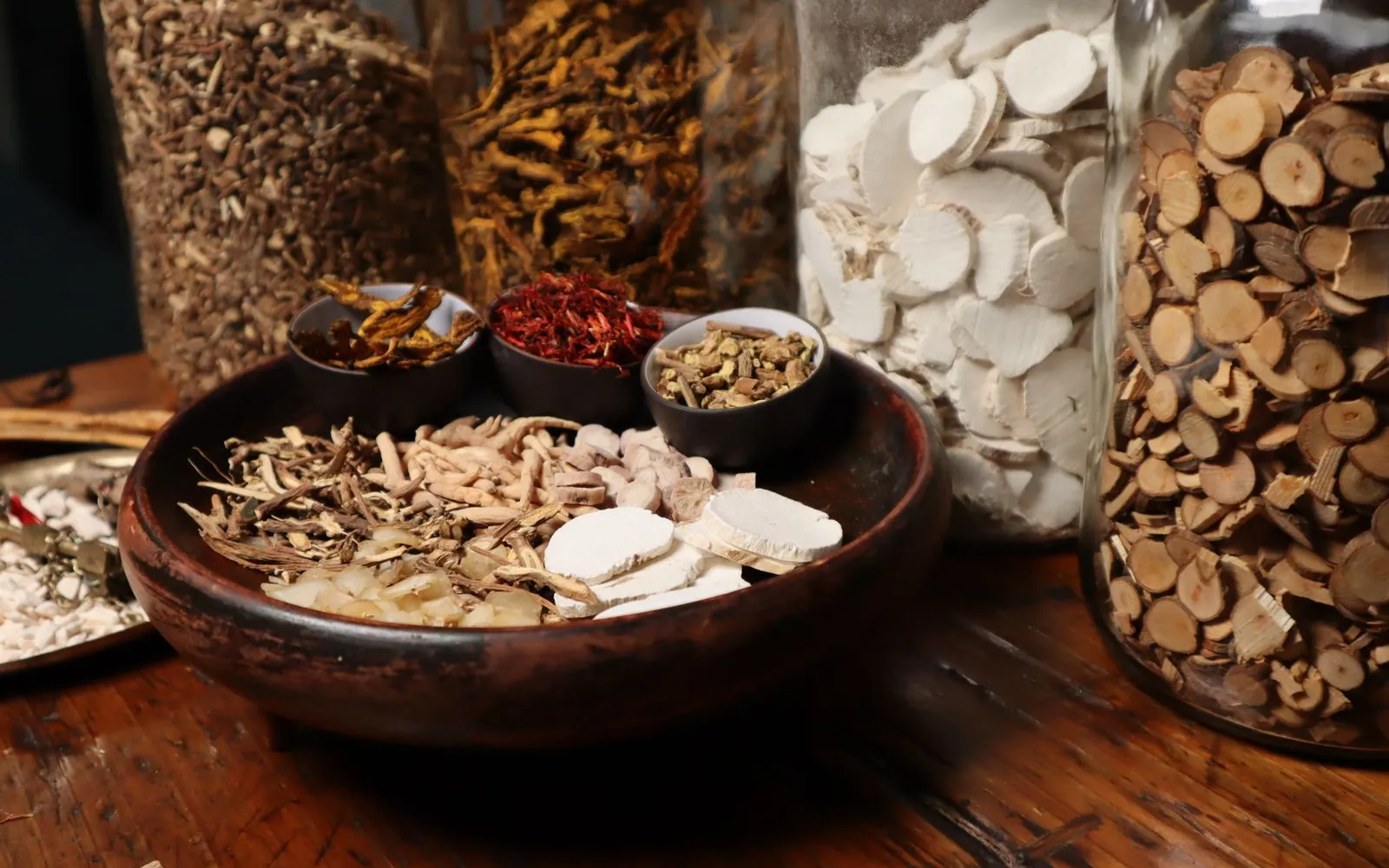
What is an adaptogen?
An adaptogen is a herb thought to help your body resist physical and mental stress. Ashwagandha, rhodiola and Asian ginseng are the best known.
The word was coined in 1947. The idea is a herb that is almost non-toxic, works against many kinds of stress at once and brings the body back to normal.
That’s a big promise. In 2008 the European Medicines Agency said the idea needs further study, and the term isn’t accepted in the medical language used across the EU.
So treat “adaptogen” like the word on a cereal box. It tells you what the seller hopes, not that the herb passed a test.
Judge each herb on its own trials.
| Herb | Sold for | What the evidence says |
|---|---|---|
| Ashwagandha | Stress, anxiety, sleep | Some products may help insomnia and stress. Unclear for anxiety. |
| Rhodiola | Energy, mood, stress | Not enough reliable evidence for any health use. |
| Asian ginseng | Tiredness, focus, stress | May have a small effect on general tiredness. Not all research agrees. |
| Eleutherococcus (a shrub root) | Tiredness, weakness | No study strong enough to show it works for any one condition. |
Thinking of one herb? Read its own guide first: ashwagandha, rhodiola or Asian ginseng.
Do adaptogens work for stress?
One herb has more trials than the rest. That herb is ashwagandha.
A 2022 review pooled 12 trials with 1,002 adults. People on ashwagandha scored lower for stress and anxiety than people on a dummy pill (placebo).
| What the review looked at | What it found |
|---|---|
| Trials | 12 randomised trials |
| People | 1,002 adults aged 25 to 48 |
| Stress and anxiety scores | Lower than placebo |
| Certainty of the evidence | Low |
| Long-term safety | Not enough information |
Sources: Akhgarjand et al, 2022; NCCIH
Many of the trials were small and used different ashwagandha products. That’s why the certainty is low.
Low certainty is like a blurry photo taken from far away. It may show what you think, but a sharper photo could change the picture.
So ashwagandha may help, but nobody can promise it will help you.
Rhodiola has less. A review of 11 trials, mostly on tiredness rather than stress, called its results contradictory. Every trial had a high risk of bias or reporting flaws.
If you try ashwagandha, it may be safe for up to 3 months. Nobody knows enough yet about longer use. Check who should avoid it below before you start.
What does a UK licence on an adaptogen mean?
Some herbal medicines carry a THR mark, short for traditional herbal registration. The NHS says it shows the medicine is licensed and meets safety standards.
It doesn’t show the herb works. A licensed rhodiola tablet rests on traditional use only, not on trial results, says the UK medicines regulator (MHRA).
That tablet has limits. It isn’t recommended for under-18s or people with liver or kidney problems. Don’t take it for more than 2 months.
If you have signs of depression, get medical advice first.
Four checks before you buy an adaptogen
- 1
THR mark
Look for the THR mark and an MHRA product code on the pack.
- 2
Your medicines
Taking any other medicine? Ask a pharmacist first.
- 3
The limits
Read who shouldn’t take it and for how long.
- 4
Where you buy
Don’t buy unlicensed herbal medicines online. They may not be safe.
Are adaptogens safe?
Herbal medicines aren’t tested the same way as standard medicines. The NHS says they aren’t recommended for children. It also says not to take them if you’re pregnant or breastfeeding, have kidney or liver problems, or take certain medicines.
Herbs don’t mix well with some medicines. These include statins, antidepressants, metformin for diabetes, ramipril for blood pressure, warfarin and the combined pill. Never stop or change a prescribed medicine without your prescriber.
| Herb | Side effects reported | Avoid it or ask first if |
|---|---|---|
| Ashwagandha | Drowsiness, stomach upset, diarrhoea, vomiting. Liver injury is rare. | You’re pregnant, breastfeeding, due for surgery, or have an autoimmune or thyroid condition. |
| Rhodiola | Dizziness, headache, trouble sleeping, dry mouth or extra saliva. | You take losartan, a blood pressure medicine. Little is known about pregnancy or breastfeeding. |
| Asian ginseng | Trouble sleeping is the most common. | You’re pregnant or breastfeeding, have diabetes, or have an autoimmune condition or a blood clotting problem. |
The Food Standards Agency had a rising number of reports about ashwagandha supplements from 2021 to 2024. It asked UK toxicity experts to review their safety. Their statement is still in draft.
More on this in ashwagandha side effects and herbal supplements and your liver.
What else helps with stress?
Six NHS ways to ease stress this week
- Talk about how you feel to a friend, family member or health professional.
- Call Samaritans on 116 123 if you need someone to talk to.
- Try breathing exercises for stress.
- Get started with exercise, and set aside time for yourself.
- Set small targets you can easily reach, and plan ahead for stressful days.
- Try not to use alcohol, cigarettes, gambling or drugs to relieve stress.
Source: NHS: stress
Aged 18 or over (16 in some areas)? You can refer yourself to NHS talking therapies without seeing a GP.
For more ideas, see managing stress and supplements for stress and anxiety.
When to speak to a GP
A herb shouldn’t stand in for a check. The NHS says to ask a GP about symptoms that don’t go away or keep coming back. Book an appointment if:
- You’re struggling to cope with stress, or things you’re trying yourself aren’t helping.
- You’ve felt tired for a few weeks and don’t know why, it affects your daily life, or you also have other symptoms such as weight loss or mood changes.
- You take a licensed rhodiola and your symptoms get worse or last more than 2 weeks.
- Your skin or the whites of your eyes look yellow, maybe with itchy skin, darker pee or paler poo. Ask for an urgent GP appointment or call 111.
Need help urgently, but it’s not an emergency? Call 111 or ask for an urgent GP appointment.
Call 999 or go to A&E if someone needs immediate help, or has seriously harmed themselves, such as with an overdose.