Does ashwagandha work?
Maybe a little, for stress and sleep. Most trials were small, and the gains were modest. The UK hasn’t set a safe amount yet, and some people should skip it.
On this page
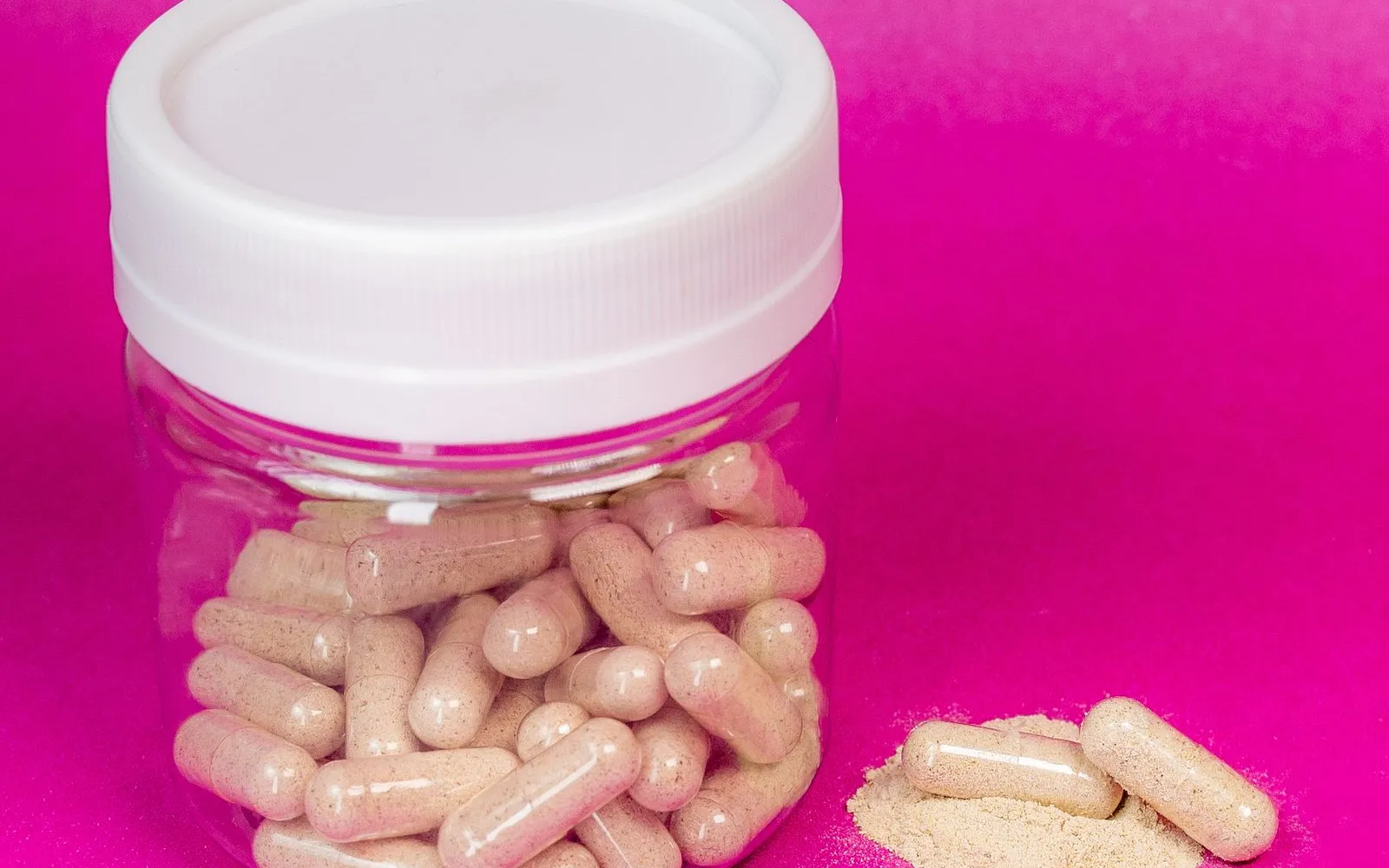
What is ashwagandha, and does it work?
Ashwagandha (Withania somnifera, also called Indian ginseng) is an evergreen shrub from India, Africa and the Middle East. Ayurveda, India’s traditional medicine, has used it for thousands of years.
Supplements use extract from the root, the leaf, or both. A US government health agency (NCCIH) says some products may be effective for insomnia and stress. It calls the evidence on anxiety unclear.
| Claim | What trials found | How sure |
|---|---|---|
| Stress | A review of 12 trials (1,002 adults): lower stress scores than a dummy pill. | Low certainty. |
| Sleep | 5 trials, 400 adults: a small gain in sleep. | Small. Biggest in people with insomnia. |
| Anxiety | Lower anxiety scores in the same review. | Low certainty. NCCIH calls it unclear. |
| Testosterone in men | May rise after 2 to 4 months. | Limited evidence. |
| Sport, thinking skills, diabetes, menopause, female fertility | Not enough evidence either way. | Unknown. |
Sources: NCCIH; Stress review; Sleep review
Low certainty means the next good trial could change the answer. So treat ashwagandha as a small maybe, not a fix.
If stress or poor sleep is running your life, start with the GP advice at the end. Our guide to ashwagandha for anxiety and sleep goes deeper on those trials.
Ashwagandha for men and for women
For men, the big claim is testosterone, the main male sex hormone. NCCIH says there is some limited evidence that 2 to 4 months may raise testosterone and sperm quality.
One trial gave overweight men aged 40 to 70 an extract for 8 weeks and a dummy pill for another 8. 57 started and 43 finished. All had mild tiredness. Testosterone rose 14.7% more on ashwagandha.
But tiredness, energy and sex life improved no more than on the dummy pill. The authors say bigger studies are needed.
| Who | What’s known | Watch out for |
|---|---|---|
| Men | Limited: testosterone may rise after 2 to 4 months. | Avoid it with prostate cancer that is sensitive to hormones. |
| Women | Not enough evidence for menopause or fertility. | Avoid it if pregnant or breastfeeding. On the pill? Ask a pharmacist. |
Sources: NCCIH; NHS: herbal medicines
The NHS lists hormonal contraception, such as the combined pill, among medicines that may not mix with herbal medicines. For more on hormones, see our guide to ashwagandha, cortisol and testosterone.
How much ashwagandha: 300mg, 600mg or 1000mg?
There is no safe daily amount set in the UK yet. The government’s toxicity experts are still reviewing ashwagandha. Its statement was still a draft in September 2026.
Trials are the best guide, not a dose to copy.
- Below 120 mg a dayBelow the lowest trial dose.
- 120 up to 600 mg a dayThe range the sleep trials used.
- Above 600 mg a dayMore than the sleep trials used.
Source: Sleep review
The sleep trials ran for 6 to 12 weeks. Gains were bigger at 600 mg a day or more, for 8 weeks or more. A stress review linked 300 to 600 mg a day to a helpful effect.
In one case report, a woman took about 950 mg a day for over a year. Her cortisol, a stress hormone, fell too low and stayed low six months after she stopped.
She took other herbs too, and her pills weren’t tested, so the cause isn’t certain. Our guide to ashwagandha and low cortisol has the signs to know.
Ashwagandha gummies, tablets or capsules?
We found no study comparing them. The sleep trials all used extract capsules, taken with milk or water.
So what’s inside matters more than the shape. Compare the label with the trials, not with the price tag.
How to read an ashwagandha label
- 1
Extract per day
Find the mg of extract in a full day’s serving, not per gummy.
- 2
Root or leaf
Check if it’s root, leaf or both. Most sleep trials used root extract.
- 3
Other herbs
Mixed products add ingredients the trials didn’t test.
- 4
End date
Pick a stop date. Safety beyond 3 months isn’t known.
Sources: Sleep review; NCCIH
Mixed products are a real worry. A paper for UK toxicity experts names ashwagandha and multi-ingredient supplements among the herbal products often linked to liver injury.
When your end date comes, our guide to stopping ashwagandha covers what to expect.
Ashwagandha side effects, and who should avoid it
Short-term use, up to 3 months, may be safe. Some people get drowsiness, stomach upset, diarrhoea or vomiting.
Liver injury is rare. A paper for UK experts lists five cases. Most had severe yellow skin (jaundice) and itching, and liver tests went back to normal in 1 to 5 months.
Check these before you start
- Skip it if you’re pregnant or breastfeeding.
- Skip it if you have a thyroid condition, or a condition where your immune system attacks your own body.
- Skip it if you have kidney or liver problems.
- Skip it if you’re about to have surgery.
- Skip it if you have prostate cancer that is sensitive to hormones.
- Ask a pharmacist first if you take any medicine, such as for diabetes, blood pressure, thyroid, seizures or sleep, or the pill.
Sources: NCCIH; NHS: herbal medicines
Herbal medicines aren’t recommended for children. Never stop or change a prescribed medicine without your prescriber.
More detail in our guides to ashwagandha side effects and herbal supplements and liver damage.
When to speak to a GP
- Your skin or the whites of your eyes look yellow, maybe with itchy skin, darker pee or paler poo. Ask for an urgent GP appointment or call 111.
- You take any medicine and want to add ashwagandha. Ask your pharmacist or GP first.
- Stress, low mood or poor sleep doesn’t go away or keeps coming back.
- You’re seeing a doctor or having surgery. Tell them you take ashwagandha.
Herbal medicines aren’t tested the way standard medicines are. Take the label with you, so your GP or pharmacist can see exactly what’s in it.