What is cholesterol?
A fatty substance your body needs. Your liver makes about 80% of it. The trouble starts when there’s too much of the bad kind. And for most people, eggs aren’t what pushes it up.
On this page
What is cholesterol?
Cholesterol is a fatty substance in your blood. Your body needs some. Your cells use it to stay healthy.
HEART UK says it has three main jobs.
It forms the outer layer of every cell. It’s used to make vitamin D and some hormones, like the sex hormones oestrogen and testosterone. And it makes bile, which helps you digest fat.
Most of it, about 80%, is made in your liver. The rest comes from food.
Where your cholesterol goes
- 1
Made in the liver
Your liver makes most of it and packs it into parcels.
- 2
Sent out as LDL
LDL delivers cholesterol to cells that need it.
- 3
Brought back as HDL
HDL carries spare cholesterol back to the liver.
- 4
Broken down
The liver breaks it down, partly into bile for digestion.
Fats can’t float loose in your blood, so parcels called lipoproteins carry them. LDL and HDL are the two you’ll hear about most. The rest are in our guide to types of cholesterol.
What is good and bad cholesterol?
Think of LDL as delivery vans taking cholesterol out to your cells. HDL is the van that brings back what wasn’t needed.
Too many delivery vans and some of the load gets stuck to the walls of your blood vessels. That’s why LDL is called bad. HDL is called good because it clears the spare away.
| Line | What it does | Healthy level for adults (mmol/L) |
|---|---|---|
| HDL (good) | Takes spare cholesterol back to your liver. | Above 1.0 for men, above 1.2 for women |
| Non-HDL (bad) | All the bad types together. Mostly LDL. | Below 4 |
| LDL (bad) | Delivers cholesterol to your cells. | Below 3.0 |
| Total cholesterol | Good and bad added together. | Below 5 |
You still need some LDL. HEART UK says it’s only a problem when there’s too much.
These levels are a guide for healthy adults. If you’ve had a heart attack or stroke, your levels to aim for may be lower. Ask your GP which levels apply to you.
Why is too much cholesterol a problem?
Too much can block your blood vessels. The NHS says that makes you more likely to have heart problems or a stroke.
More likely isn’t certain. Back to the vans: a busy road raises the odds of a jam. It doesn’t mean one is coming.
Feel fine? High cholesterol does not usually cause symptoms. Only a blood test shows it.
- Below 4 mmol/LWithin the NHS guide for adults.
- 4 up to 7.5 mmol/LAbove it. Your GP may work out your 10-year risk.
- Above 7.5 mmol/LAbove 7.5: NICE advises a specialist check.
Sources: NHS; NICE NG238
Your GP uses your cholesterol with your age, blood pressure and health to give a QRISK score. It estimates your chance of a heart or circulation problem in the next 10 years.
Only got a total? Ask your doctor or nurse for your HDL and non-HDL too. Our guide to reading your cholesterol results goes line by line.
What raises your cholesterol?
Eggs, prawns and liver do contain cholesterol. But the BHF says that for most people, cholesterol in food does not have much effect on your levels.
The bigger lever is fatty food, especially saturated fat. That’s the fat in butter, cheese, sausages and cakes. The NHS asks you to cut down on it.
| You can change | You can’t change |
|---|---|
| Eating fatty food | Being over 50 |
| Not exercising enough | Being a man, or past the menopause |
| Being overweight | South Asian or sub-Saharan African origin |
| Smoking and drinking alcohol | Genes, such as familial hypercholesterolaemia (FH) |
Some conditions can raise it too. The BHF lists conditions such as kidney disease, liver disease, type 2 diabetes and an underactive thyroid.
See eggs and cholesterol and saturated fat and cholesterol for the detail.
How can I keep my cholesterol healthy?
Six NHS habits for healthy cholesterol
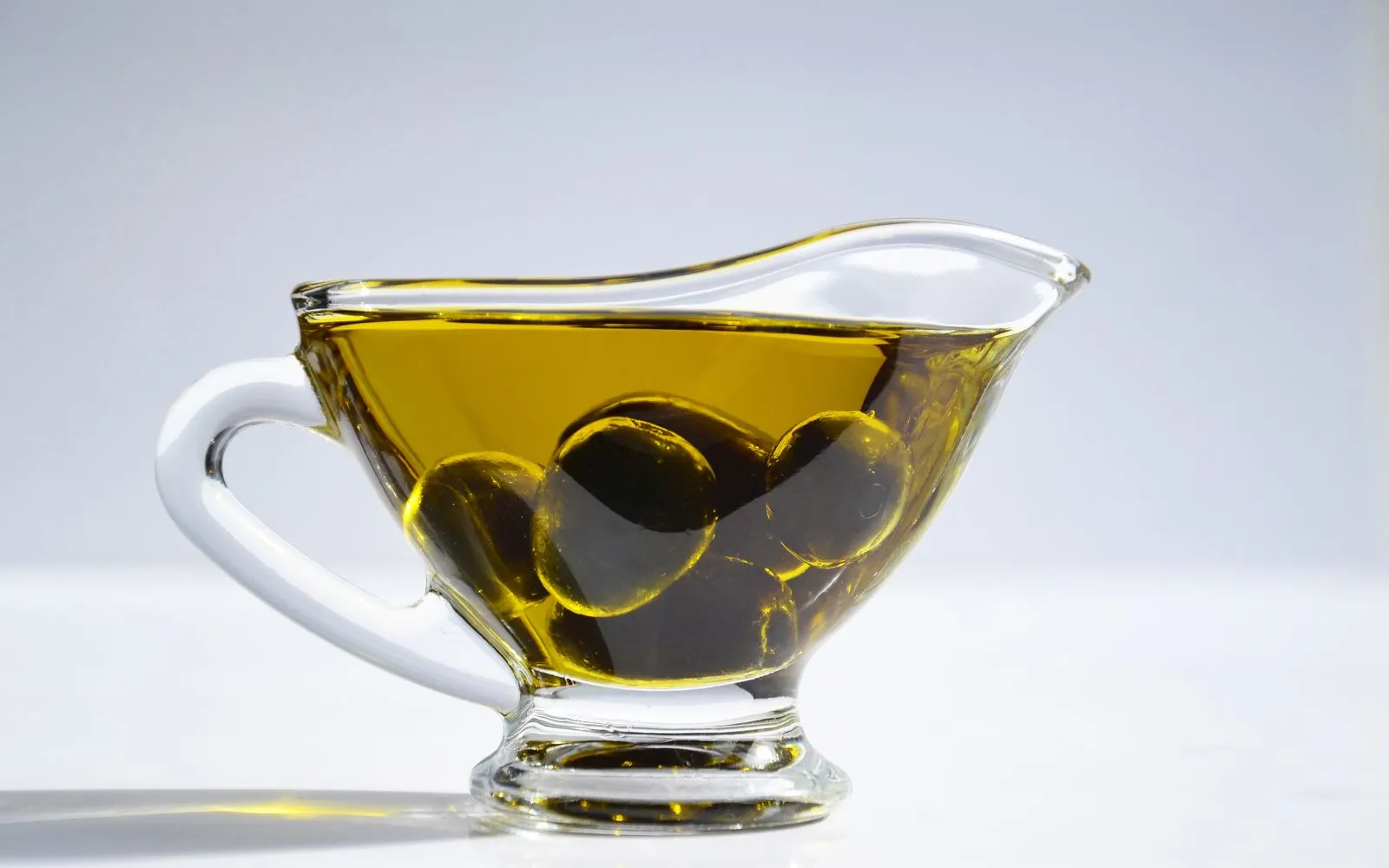
- Cook with olive or rapeseed oil instead of butter, lard or ghee.
- Eat oily fish, such as mackerel or salmon, instead of sausages or fatty meat.
- Pick brown rice, wholegrain bread and wholewheat pasta.
- Snack on nuts, seeds and fruit instead of cakes and biscuits.
- Do at least 150 minutes of moderate exercise a week, such as fast walking.
- Stop smoking. Keep alcohol to 14 units a week or less, spread over 3 or more days.
Some people also need medicine. Statins are the most common one. Never stop or change a prescribed medicine without your prescriber.
Want to know your numbers? A blood test checks them, and most people do not need to fast.
Some pharmacies offer finger-prick tests, though you might have to pay. If you’re over 40, you may get one free at an NHS Health Check. More in how to lower cholesterol.
When to speak to a GP
Book an appointment if:
- You’re over 40, overweight, or high cholesterol or heart problems run in your family, and you’ve never had a test.
- Your total is above 7.5. NICE says to think about FH, an inherited cause.
- You or a parent, brother, sister or child had heart disease before 60. NICE says to think about FH at any level.
- Your total is above 9, or your non-HDL is above 7.5. NICE advises a specialist check.
Already have a high result? A doctor or nurse will talk you through how to lower it.