Do cranberry tablets work for UTIs?
A little, if you keep getting UTIs. Trials suggest about a quarter fewer infections for women with repeat UTIs. But they can’t treat one you have now, and one group should avoid them.
On this page
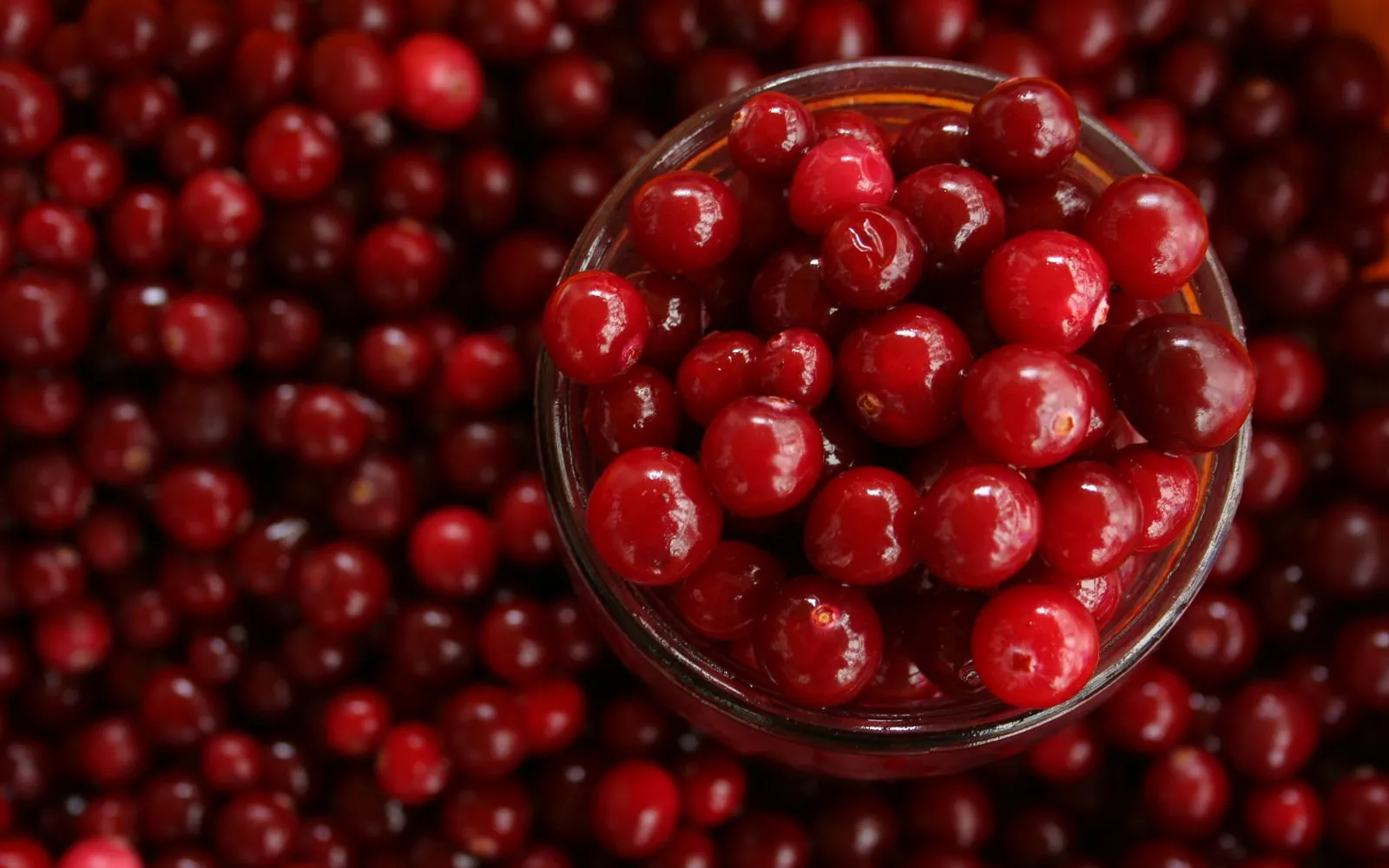
Do cranberry tablets work for UTIs?
They may help stop UTIs coming back. The main review, from Cochrane in 2023, pooled 50 trials with 8,857 people.
In women with repeat UTIs, cranberry products probably cut infections by about a quarter. That comes from 8 trials with 1,555 women.
Think of a slightly leaky umbrella. It may keep some rain off, but not all of it. And it won’t dry you once you’re already wet.
| Group | What trials found |
|---|---|
| Women with repeat UTIs | Probably about a quarter fewer infections. |
| Children | Probably fewer infections. NICE says only with a children’s specialist’s advice. |
| People prone to UTIs after a medical procedure | Probably about half as many infections. |
| Older people in care homes | May be little or no benefit. |
| Pregnant women | May be little or no benefit. |
| Adults whose bladder doesn’t empty fully because of a nerve problem | May be little or no benefit. |
Sources: Cochrane 2023; NICE NG112
Tablets or juice? Cochrane couldn’t tell if one works better. Trials found no clear difference between low and high doses of PACs, the plant compounds in cranberry.
So check the label for sugar, and a stronger pack isn’t proven to work better.
In the top row? NICE says women with repeat UTIs who aren’t pregnant may wish to try cranberry, though the evidence is uncertain. Ask a pharmacist or GP if it’s worth a try for you.
Can cranberry pills treat a UTI you have now?
No. The NHS says there’s no evidence cranberry products ease symptoms or treat a UTI once it has started.
A 2023 Cochrane search found no proper trials of cranberry as a treatment. So if you have symptoms now, start here instead.
What to do if you have UTI symptoms now
- 1
See a pharmacist
If you’re a woman aged 16 to 64 and not pregnant or breastfeeding.
- 2
Ease the pain
Paracetamol up to 4 times a day, rest and enough fluids to pass pale pee.
- 3
Antibiotics if needed
A GP may ask you to wait 48 hours, in case it clears on its own.
- 4
Get help if no better
Not improving within 48 hours of starting treatment or treating it yourself? Ask for an urgent GP appointment or call 111.
Source: NHS
Given antibiotics? Never stop or change a prescribed medicine without your prescriber.
Who should avoid cranberry tablets?
That group is people taking warfarin, a blood thinner. The NHS says to avoid cranberry products if you take it.
Its warfarin page says do not have cranberry juice or cranberry products. That covers tablets and capsules too.
Pregnant? The NHS says to speak to your doctor first. Trials in pregnancy found little or no benefit.
Older? NICE found no evidence of benefit for older women.
For everyone else, watch the sugar. The NHS says cranberry products can contain a lot of sugar.
NICE says to count it as part of your daily sugar. See how much sugar a day.
Do probiotics work for UTIs?
Not clearly. NICE says the evidence is inconclusive for probiotics (the lactobacillus type) in repeat UTIs.
A Cochrane review of 9 small trials found no clear drop in repeat UTIs. The studies were poor, so a benefit can’t be ruled out.
| Supplement | Best evidence | What it found |
|---|---|---|
| Cranberry | Cochrane review, 2023 | Probably about a quarter fewer UTIs in women with repeat UTIs. |
| Probiotics | Cochrane review, 2015 | No clear benefit. The studies were few, small and poor. |
| D-mannose | UK trial of 598 women, 2024 | No clear difference from a dummy powder in women with recurrent UTIs. |
Sources: Cochrane 2023; Cochrane 2015; MERIT trial
In 3 small trials that compared them, cranberry may have done better than probiotics. No review names a best probiotic for UTIs.
Blends of cranberry with probiotics or vitamins? These reviews don’t show they beat cranberry alone. If you want a probiotic for another reason, see probiotics for women and probiotics with antibiotics.
What else stops UTIs coming back?
Six NHS habits that may help stop UTIs
- Drink plenty of fluids, mostly water, so you pee regularly and don’t feel thirsty.
- Wipe from front to back when you go to the toilet.
- Pee as soon as you can after sex, and wash around the vagina with water before and after.
- Don’t hold your pee in, and don’t rush, so your bladder empties fully.
- Wear cotton underwear, not tight underwear, and skip scented soap around your genitals.
- Don’t have lots of sugary food and drinks, or lots of alcohol.
Source: NHS: urinary tract infections
Still getting them? Your GP may try a different antibiotic, or a low-dose one for up to 6 months.
In perimenopause or past the menopause? They may offer a cream, gel, tablet you put in the vagina (a pessary) or ring with the hormone oestrogen to use in the vagina. See vaginal dryness in menopause.
When to speak to a GP
Ask for an urgent GP appointment or get help from NHS 111 if you may have a UTI and:
- You’re 65 or older, pregnant, or a man (or trans or non-binary and assigned male at birth), or it’s a child aged 15 or under.
- You have diabetes, a weakened immune system or a catheter (a tube that drains pee from your bladder).
- You have a very high or low temperature, feel hot or cold, or are shivering.
- You have pain in your lower tummy or in your back, just under the ribs. Or your pee looks bright pink, red or dark brown.
- Symptoms get worse quickly or don’t improve within 48 hours of starting treatment or treating it yourself. Or you keep getting UTIs (2 within 6 months, or 3 within 12 months).
Some of these could be a kidney infection, which can be serious if it’s not treated, as it could cause sepsis.
Call 999 or go to A&E if you or your child are confused, drowsy or have difficulty speaking.