Do eye vitamins work?
Only for some people with macular degeneration (AMD). For them, one mix slowed it by about 25%. It didn’t prevent AMD or cataracts. One detail from an eye test decides your group.
On this page
Do eye vitamins work?
Only for some people with age-related macular degeneration (AMD). It’s a common condition that blurs the middle of your vision. It usually first affects people in their 50s.
In two large US trials (AREDS and the newer AREDS2), one vitamin and mineral mix cut the risk of AMD going from the middle stage to advanced by about 25%.
It did not prevent AMD from starting. It had no effect on cataracts either.
| What the eye test shows | Stage | What trials found |
|---|---|---|
| No AMD | None | Did not prevent AMD. |
| Many small drusen, or a few medium ones | Early AMD | No benefit found. |
| Many medium drusen, or one or more large ones | Intermediate AMD | About 25% less risk of it turning advanced. |
| Advanced AMD in one eye only | Advanced in one eye | About 25% less risk for the other eye. |
| Advanced AMD in both eyes, or active wet AMD | Late AMD | No evidence of benefit. |
Sources: NEI; Macular Society
That detail is mostly the size of your drusen. They’re small yellow or white spots of waste under the back of the eye, and a common early sign of AMD. Wet AMD is a type where faulty blood vessels grow under the back of the eye.
A Cochrane review (a careful summary of all the trials) pooled them. With early AMD, about 4 fewer people in 1,000 taking the vitamins probably went on to late AMD, a very small effect. With intermediate AMD, it was about 78 fewer in 1,000.
Don’t know your stage? Ask your optician at your next eye test.
What’s in AREDS2 vitamins, and are they safe?
| Nutrient | AREDS2 dose | What to know |
|---|---|---|
| Vitamin C | 500 mg | NHS: less than 1,000 mg a day is unlikely to harm. |
| Vitamin E | 400 IU (international units) | NHS: 540 mg (800 IU) or less a day is unlikely to harm. |
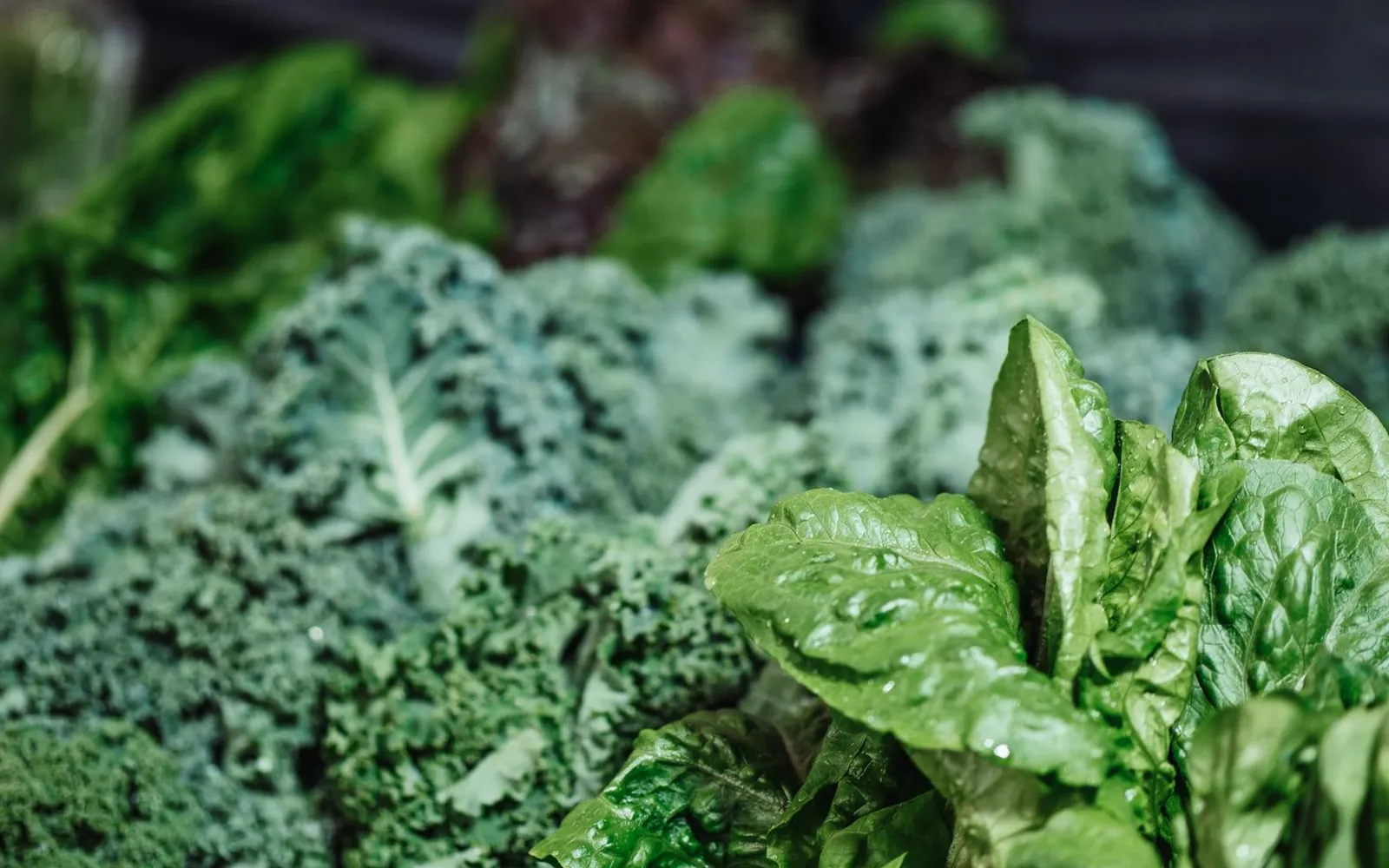
| Lutein | 10 mg | A plant pigment found in kale and spinach. |
| Zeaxanthin | 2 mg | A plant pigment found in sweetcorn and orange peppers. |
| Zinc | 80 mg | NHS: no more than 25 mg a day unless a doctor advises. |
| Copper | 2 mg | Added because high zinc can lower copper. |
Sources: NEI; NHS vitamin C; NHS vitamin E; NHS minerals; Macular Society
The zinc is the catch. The trial dose of 80 mg is over the NHS limit of 25 mg a day unless a doctor advises more. High zinc cuts the copper you absorb, which can lead to anaemia (too few red blood cells) and weak bones.
AREDS2 also tested 25 mg of zinc and found no real change in how well it worked. The Macular Society lists 25 mg in its version of the mix.
Smoke, or used to? Avoid the older AREDS mix with beta-carotene (a plant form of vitamin A). It raised lung cancer risk, mostly in former smokers.
Vitamin E may interact with warfarin and aspirin. AREDS2 isn’t on prescription, and the NHS says eye supplements are not suitable for everyone. Talk to your GP or eye specialist first.
Never stop or change a prescribed medicine without your prescriber.
Does a lutein supplement help?
On its own, probably not much. In trials of people with AMD, lutein takers had a similar or slightly lower risk of it getting worse. The evidence was weak.
Lutein earns its place in the mix. It may be a good swap for beta-carotene, which is why AREDS2 uses it. For people without AMD, Cochrane found no evidence either way on lutein to prevent it.
Food is the easy source. Lutein sits in the macula, the middle of the back of your eye, and your body can’t make it.
| Food (100 g, fresh) | Lutein |
|---|---|
| Kale | 11.4 mg |
| Red pepper | 8.5 mg |
| Spinach | 7.9 mg |
| Lettuce | 4.7 mg |
| Leek | 3.6 mg |
| Broccoli | 3.3 mg |
| Peas | 1.7 mg |
Source: Macular Society
The average western diet is thought to have no more than 3 mg a day. So 100 g of kale or spinach more than doubles that.
Eggs have some too. Cook greens lightly with a little oil, which may help you absorb it.
What are the best eye vitamins for blurry vision?
Find the cause first. Three common causes each have their own fix.
| Cause | What you notice | What helps |
|---|---|---|
| Long-sightedness | Close things look fuzzy. Often over 40. | Glasses or contact lenses, usually. |
| Cataracts | Cloudy vision, halos round lights. | Surgery to replace the cloudy lens. |
| AMD | A blurred or bent patch in the middle. | Wet AMD: eye injections. Some dry AMD: AREDS2 may slow it. |
Sources: NHS long-sightedness; NHS cataracts; NHS AMD; NEI
The AREDS vitamins had no effect on cataracts. Omega-3 had no effect on cataracts or AMD. For gritty, dry eyes, see omega-3 for dry eyes.
So book an eye test. It’s free on the NHS if you’re 60 or over, or have diabetes or glaucoma, among other reasons.
If you qualify, you can have one every 2 years, or sooner if your optometrist advises. See eye tests after 60.
What else helps eye health?
AMD is linked to ageing, smoking, high blood pressure, being overweight and family history. NICE also lists a diet low in vitamins, minerals and carotenoids (plant pigments such as lutein).
Five habits for your eyes
- Stop smoking. Smokers are up to 4 times more likely to get AMD.
- Eat lots of fruit, fish and green, leafy vegetables.
- Exercise regularly, and lose weight if you’re overweight.
- Keep having routine eye tests, usually every 2 years.
- Talk to your GP or eye specialist before you start an eye supplement.
Sources: NHS: living with AMD; Macular Society
Already take a multivitamin or zinc? Add up your zinc before adding AREDS2. See zinc dosage, and vitamins for men over 50 or women over 40.
When to speak to a GP
AMD is not painful, and an eye test can find it before you notice. Ask for an urgent GP appointment or call 111 if:
- Your vision changes, such as blurred or double vision, or flashing lights or shapes.
- A dark shadow moves across your vision.
- You have pain in 1 or both eyes, a red and painful eye, or eyes that hurt in bright light.
- Your vision suddenly gets worse. You can also get an urgent optician appointment.
Straight lines look wavy, or you’re worried about your sight? See an optician.
Call 999 or go to A&E if you suddenly cannot see from 1 or both eyes, or suddenly have severe eye pain. Don’t drive yourself.
Already have AMD? Contact your specialist if your vision gets worse or you notice new symptoms, ideally the same day.