What is habit stacking?
Tie a tiny new habit to one you already do. “After I brush my teeth, I floss one tooth.” But forget the 21-day rule. In one UCL study, it took 66 days on average.
On this page
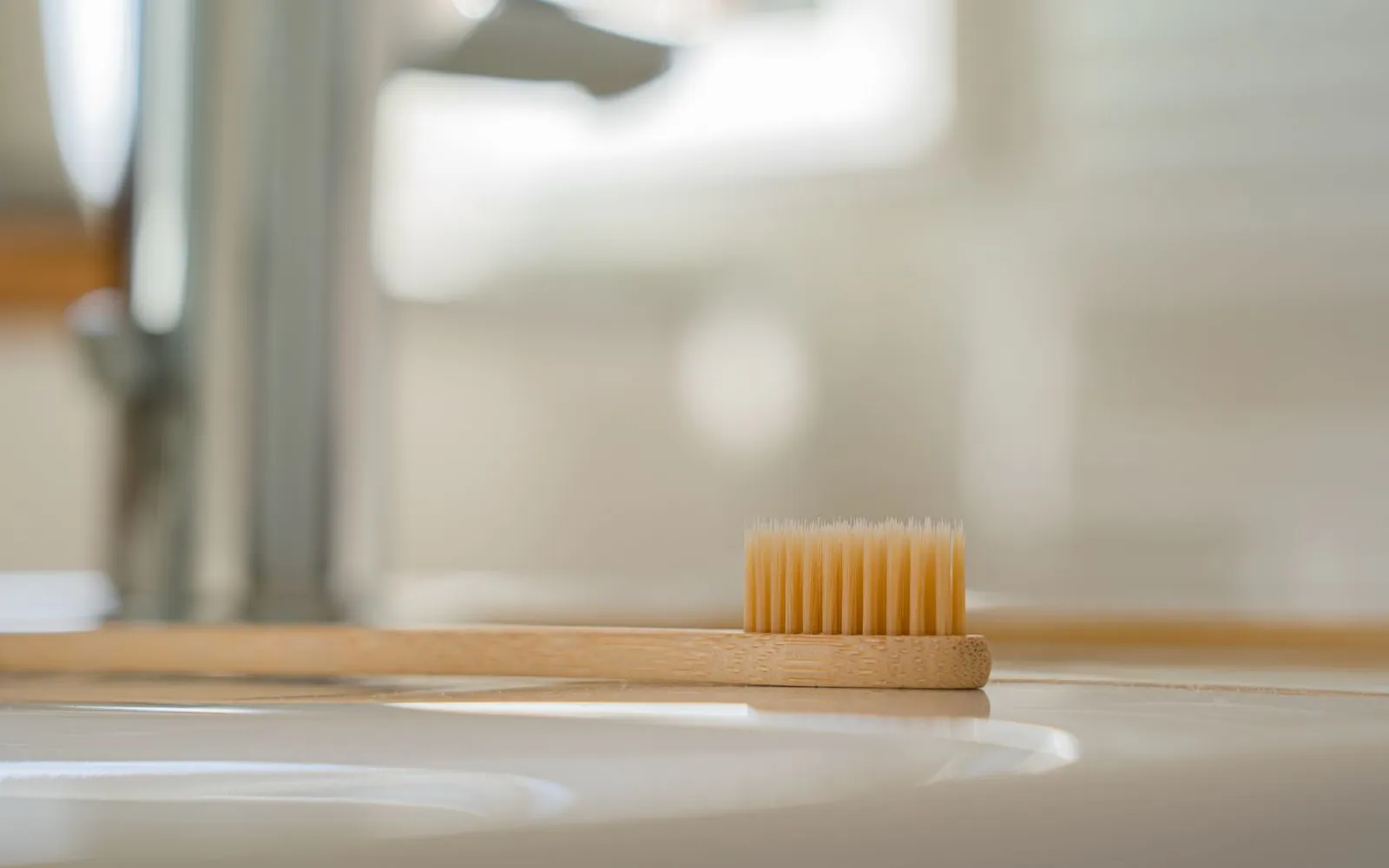
What is habit stacking?
It means pinning a new habit onto one you already do every day. The writer James Clear gives the formula: “After [current habit], I will [new habit].”
He credits the method to BJ Fogg, a Stanford behaviour scientist who created Tiny Habits. Fogg says a prompt to act can come from your daily routine.
Think of your old habit as a hook already screwed into the wall. You hang the new one on it.
One habit stack, start to finish
- 1
Pick your anchor
Something you do daily without thinking, like brushing your teeth.
- 2
Add a tiny action
Small enough to do on your worst day.
- 3
Do it straight after
Same anchor, same place, every time.
- 4
Tick it off
A simple tick sheet shows it getting easier.
Sources: James Clear; BJGP
UK researchers at UCL give the same core advice: repeat an action in the same context. A cue inside a routine you already have is a stable place to start.
Write your first stack on a sticky note today.
Habit stacking examples
The best anchor is one you never skip. It also needs to happen where the new habit can happen.
| After I... | I will... |
|---|---|
| Pour my morning coffee | Meditate for one minute. |
| Brush my teeth at night | Floss one tooth. |
| Have lunch at home | Eat a piece of fruit. |
| Leave work | Walk one stop further before getting the bus. |
| Take off my work shoes | Change into my exercise clothes. |
| Make my bed | Put a book on my pillow for tonight. |
Sources: James Clear; BJGP
Once one stack is easy, chain the next. Clear suggests each habit acting as the cue for the next.
Busy weeks wreck anchors like “after work”. Our guide to building a habit around a busy week shows how to pick a cue that survives them.
What are tiny habits and micro habits?
They’re the same idea: a version of a habit so small you can’t really fail. Fogg says you act when motivation, ability and a prompt come together. If one is missing, nothing happens.
Motivation goes up and down. Making the habit tiny means you can still do it on a low day.
The research backs small. Simple actions, like drinking water, reached full strength faster than doing 50 sit-ups. For someone who doesn’t move much, the UCL team suggest walking one or two stops further before the bus, not the whole way.
| Big goal | Tiny version to start |
|---|---|
| Exercise more | Walk one or two stops further before the bus. |
| Eat more fruit | One piece of fruit after lunch. |
| Drink more water | One glass after you put the kettle on. |
| Look after your gums | Floss one tooth after brushing. |
| Read more | One page once you’re in bed. |
Source: BJGP
Add, don’t ban. The UCL team say you can’t form a habit of not doing something. So “eat an apple” works better than “no crisps”.
Choose a habit you want, not one someone told you to do. Self-chosen habits tended to grow stronger, though most of the studies had a high risk of bias.
How long does a habit take to stick?
About 2 months on average, and often longer. The 21-day rule is a myth. The UCL team trace it to plastic surgery patients getting used to their new look.
| What was measured | Time to feel automatic |
|---|---|
| Daily health habits, UCL study | 66 days on average |
| Review of 20 studies, middle person | 59 to 66 days |
| Same review, averages | 106 to 154 days |
| Same review, fastest to slowest person | 4 to 335 days |
Sources: BJGP; Singh 2024
So plan on about 10 weeks. That’s what the UCL team suggest telling people who repeat a habit daily. Some people need much longer.
Missed a day? Missing the odd one didn’t seriously set people back. Progress soon picked up again.
Just do it at the next anchor.
Does habit stacking work?
No trial has tested it under that name. But the closest studies point the same way.
In a small study of 50 adults, those told to floss after brushing tended to form stronger flossing habits than those told to floss before. At 8 months, they flossed more often too.
In another trial, 104 adults with overweight or obesity got a leaflet of habit and diet tips, plus a tick sheet. They lost 2.0 kg on average in 8 weeks, against 0.4 kg in a waiting group. Both were small, early studies.
Build your first habit stack this week
- Pick one habit you want, not one someone told you to do.
- Shrink it until it feels almost too easy, like one page or one tooth.
- Choose an anchor you do every day, in the same place.
- Write it down as “After I..., I will...”.
- Do it straight after the anchor, then tick it off.
- Missed a day? Do it at the next anchor and carry on.
Sources: BJGP; James Clear; Tiny Habits
Fogg adds one more step: celebrate each success, however small. That’s his advice, not a trial finding.
Stacking movement? See how to stay motivated to exercise and the benefits of walking.
Flossing? Read brushes or floss first.
When to speak to a GP
Sometimes a habit won’t stick because something else is wrong. Book an appointment if:
- You’ve had a low mood for more than 2 weeks, or you’re struggling to cope with it.
- Things you’re trying yourself to lift a low mood are not helping.
- You have no motivation or interest in things for most of the day, every day, for more than 2 weeks. The NHS lists this as a sign of depression.
- Your new habit is exercise, and you haven’t exercised for some time or have a medical condition or concerns. The NHS says to speak to your GP first.
Aged 18 or over (16 in some areas)? You can refer yourself to NHS talking therapies. See also no motivation to do anything.
Need urgent help for your mental health? Call 111 and choose the mental health option.
Call 999 or go to A&E if a life is at risk or you can’t keep yourself or someone else safe. Samaritans are on 116 123.