How do I raise my HDL (good) cholesterol?
Move more, and stop if you smoke. For food, olive oil in place of butter improves your cholesterol balance, though it may not lift HDL itself. Coconut oil can, yet the NHS says eat less.
On this page
How can I increase my HDL?
Get active, stop smoking and lose weight if you carry extra.
| Change | What it can do to HDL |
|---|---|
| Regular cardio that gets you out of breath | Up about 5% within two months |
| Brisk walking, 25 to 30 km a week | May rise by 0.08 to 0.15 mmol/L |
| Stopping smoking | Up to 10%, if you don’t gain weight |
| Losing weight | Up about 0.01 mmol/L for each 1 kg lost |
Sources: HEART UK; HEART UK (ESC)
These rises are small. Across 25 trials of cardio, HDL went up by 0.065 mmol/L on average.
Length beat effort. Each extra 10 minutes per session added about 0.036 mmol/L. How hard or how often people trained made no clear difference.
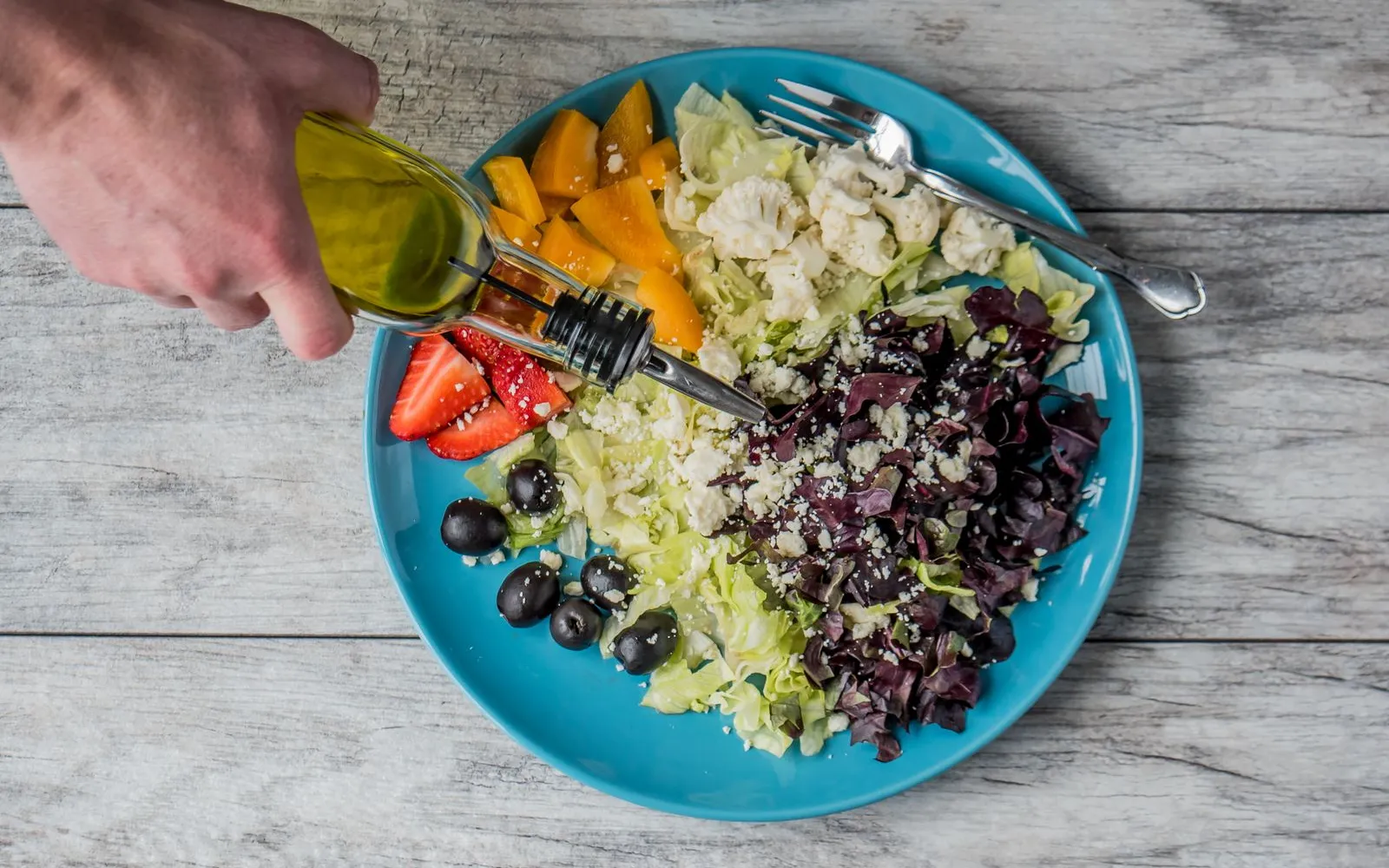
For food, the best swap is olive or rapeseed oil in place of butter. It may not lift HDL itself, so see the next section.
So your first move is simple: make your usual walk 10 minutes longer. For more on this, see exercise and cholesterol.
Which foods increase HDL?
Coconut oil is the catch. In a review of 60 trials, the fat in oils like coconut oil (lauric acid) raised HDL, but it also raised total cholesterol a lot.
The authors say its effect on heart disease is still uncertain. The NHS lists coconut and palm oil among foods to eat less of.
| Food or drink | What it does | What to do |
|---|---|---|
| Olive or rapeseed oil in place of butter | Improves your total to HDL balance | Use it for cooking and on salads |
| Coconut oil | Raises HDL and total cholesterol | Eat less, says the NHS |
| Carbs in place of saturated fat | No change to the balance. Raises triglycerides | Swap to unsaturated fat instead |
| Heavy drinking | Can raise HDL, with no heart protection | Keep to 14 units a week or less |
Sources: Mensink et al 2003; NHS; HEART UK
The swap with the best evidence is unsaturated fat in place of saturated fat. It may not lift HDL itself. It improves the balance of total cholesterol to HDL, which the authors call a more specific marker of heart disease than LDL.
Triglycerides are another blood fat. Read more in how to lower cholesterol and the cholesterol ratio.
What can I start this week?
Six changes to raise your HDL
- Make your usual walk 10 minutes longer, and walk fast enough that your heart beats faster.
- Build up to at least 150 minutes of moderate exercise a week.
- If you smoke, get help to stop from your GP or NHS stop smoking services.
- If you carry extra weight, work towards losing 5 to 10% of your body weight.
- Cook with olive or rapeseed oil instead of butter, lard, ghee or coconut oil.
- Keep alcohol to 14 units a week or less, spread over 3 or more days.
Sources: NHS; HEART UK; Kodama et al 2007
Worried about gaining weight when you quit? In a US trial, people who stopped smoking gained 4.6 kg on average. Their HDL still went up, more so in women.
Some medicines can lower HDL. They include beta blockers (heart and blood pressure tablets) and thiazide diuretics (water tablets). Some hormones can too: progestogens (in some contraceptives and HRT), androgens (male hormones like testosterone) and anabolic steroids.
HEART UK says the benefits of these medicines are likely to outweigh any risk from a lower HDL. Never stop or change a prescribed medicine without your prescriber.
Is higher HDL always better?
No. In two large Danish studies, heart risk rose again when HDL got very high.
| Men | Women | |
|---|---|---|
| NHS healthy level | Above 1.0 mmol/L | Above 1.2 mmol/L |
| Risk starts to rise again | Above 2.5 mmol/L | Above 3.0 mmol/L |
Think of HDL as a recycling van. It carries spare cholesterol from your arteries back to the liver. More vans don’t help if they aren’t doing the job, and HEART UK says what HDL does matters more than how much you have.
Drugs that pushed HDL up mostly did not cut heart disease. In the one trial that helped, the benefit was thought to come from lower bad cholesterol.
So a higher number on its own doesn’t mean a healthier heart. Your GP looks at HDL alongside your other results to estimate your risk. See low HDL and high HDL.
When to speak to a GP
High cholesterol does not usually cause symptoms. Book an appointment if:
- Your HDL is 1.0 or lower (men) or 1.2 or lower (women). Your doctor can try to find the cause.
- Your HDL is very high and heart disease before 60 runs in your family. This may lead to a specialist referral.
- Your total is above 7.5, or you or a parent, brother, sister or child had heart disease before 60. NICE says to check for an inherited cause (FH).
- You’ve never had a test and you’re over 40, overweight, or high cholesterol or heart problems run in your family.
Call 999 if you get sudden chest pain that does not go away. It can feel like squeezing, pressure, burning or indigestion.
Also call 999 if pain spreads to your arm, neck, jaw, stomach or back, or comes with sweating, feeling sick, light-headed or short of breath.