How to reduce your sugar intake
Start with what you drink. Sugary drinks give nearly a quarter of our added sugar. But for weight, trials found swapping sugar for the same calories of other carbs didn’t change it.
On this page
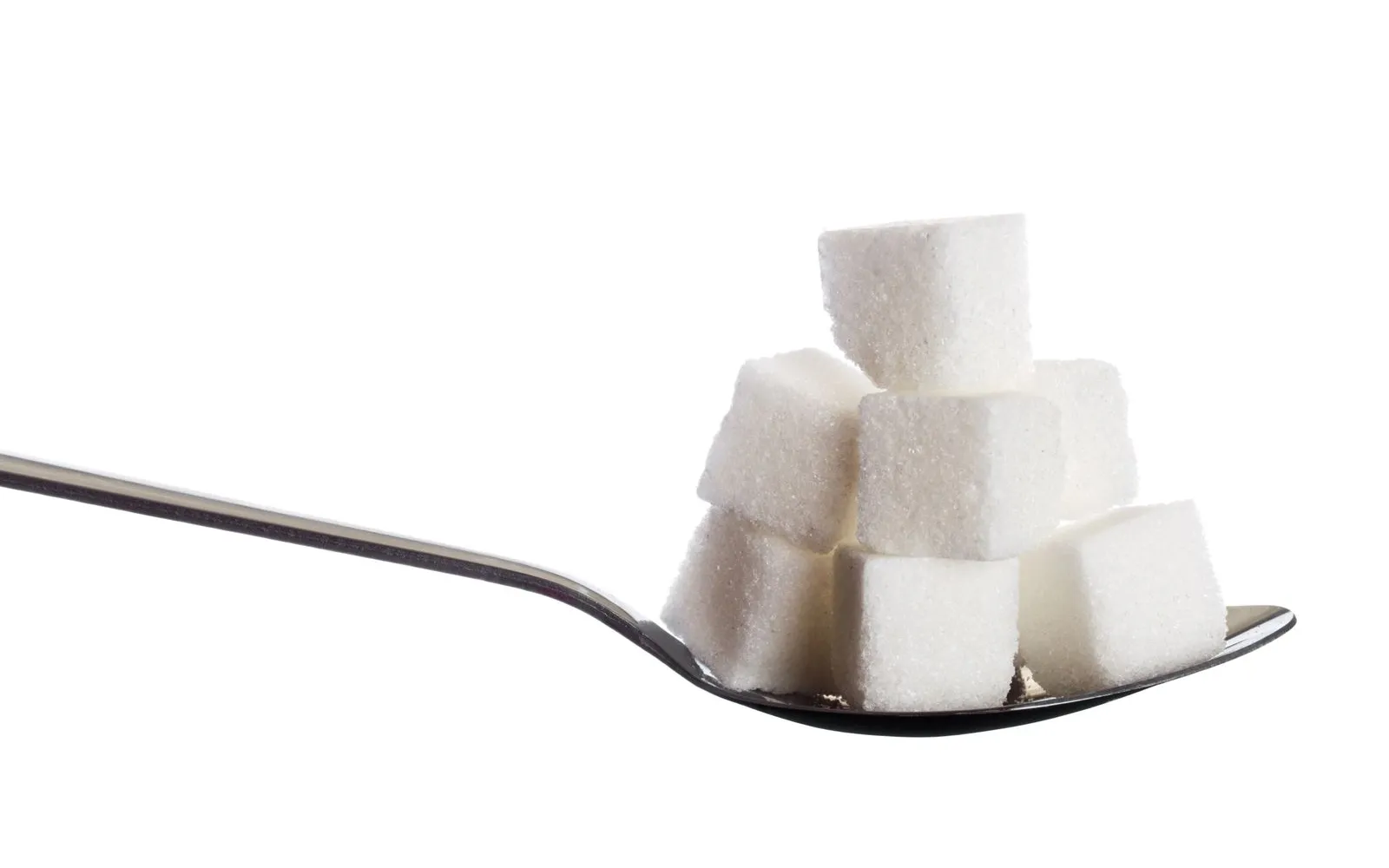
How do I reduce my sugar intake?
Cut your drinks first. Nearly a quarter of the added sugar in our diets comes from sugary drinks, such as fizzy drinks, sweetened juices, milkshakes and squash.
Adults should have no more than 30g of free sugars a day, about 7 sugar cubes. Free sugars are sugars added to food and drink, plus honey, syrups and juice.
A can of regular cola holds 35g, or 7 teaspoons. That one can is more than your whole day.
| Drink | Sugar | Swap to |
|---|---|---|
| Can of regular cola | 35g, 7 teaspoons | Water, or a sugar-free or no-added-sugar drink |
| Glass of squash with added sugar | Up to 3 teaspoons | Water with a slice of lemon or lime |
| 150ml fruit juice | Around 15g | No more than 150ml a day in total, with a meal |
| Pouch of juice drink | Up to 8g | Water or plain lower-fat milk |
| Sugar in tea or coffee | Whatever you add | Less and less, until you can stop, or a sweetener |
Sources: NHS; NHS Healthier Families
Milk, whole fruit and vegetables don’t count. The NHS says we don’t need to cut down on these sugars.
Your first move: swap one sugary drink a day this week. For the full limits by age, see how much sugar per day.
How much sugar per day to lose weight?
The NHS doesn’t give a separate number for weight loss. The adult limit is still no more than 30g of free sugars a day.
What matters is what you eat instead. A review of trials in the BMJ pulled this together.
| What adults changed | Average weight change |
|---|---|
| Ate less sugar, with no strict control of other food | About 0.8kg lost |
| Ate more sugar | About 0.75kg gained |
| Swapped sugar for the same calories of other carbs | No change |
Source: Te Morenga and others, BMJ
The catch is calories. Sugar can add too many calories, which can lead to weight gain. Replace it with the same calories of other carbs, and the trials saw no change.
Diet drinks can help. In short trials, drinks with no-calorie sweeteners, had instead of sugary ones, can help lower calorie intake and weight gain.
Pick swaps that cut calories too. For a full plan, see the best diet to lose weight.
Low sugar meals: what can I eat instead?
Breakfast is the big one. Many breakfast cereals are high in sugar, and so are jam and honey on toast.
| Meal | Instead of | Try |
|---|---|---|
| Cereal | Sugary cereal | Plain porridge, plain wheat biscuits or no-added-sugar muesli |
| Porridge | Sugar on top | Sliced banana or a few chopped dried apricots |
| Toast | Jam, honey or chocolate spread | A thinner layer, or a lower-sugar spread |
| Takeaway | Sweet and sour or sweet chilli dishes | A dish without a sweet sauce |
| Sauces | Ketchup every day | A smaller squeeze, not at every meal |
Source: NHS
Can’t give up your cereal? The NHS suggests mixing sugary and plain cereal in the same bowl, or eating them on different days.
Ketchup can hold as much as 23g of sugar in 100g. That’s roughly half a teaspoon a serving, but it adds up if you have it every day. Ready soups, stir-in sauces and ready meals can be higher than you’d think, so check the label.
For ideas, try these quick healthy breakfasts.
Low sugar treats and snacks
You don’t have to quit treats. Start by having less: one biscuit instead of two, or a normal pack instead of a family bag.
| Instead of | Try |
|---|---|
| Biscuits | Oatcakes, oat biscuits or unsalted rice cakes |
| Cake | A plain currant bun, fruit scone or malt loaf |
| Chocolate bar | A lower-calorie hot chocolate drink |
| Sugary yoghurt | Plain lower-fat yoghurt with chopped fruit |
| Pudding every night | Fruit, or pudding at weekends only |
Sources: NHS; NHS Healthier Families
A pot of sugary yoghurt can hold up to 24g, close to a day’s limit. Also watch “low fat”: lower fat doesn’t always mean low sugar.
Keep dried fruit for mealtimes. It’s high in sugar and sticks to your teeth.
Choose two swaps for this week. More ideas are in healthy sweet snacks.
Will I miss the sweet taste?
Sweet food may start to taste sweeter. In a small US trial, adults who ate less sugar for 3 months rated puddings about 40% sweeter than people who didn’t cut back. How much they liked them didn’t change.
So go slowly. The NHS suggests cutting sugar in tea or coffee gradually until you can stop.
Your first two weeks with less sugar
- Swap sugary fizzy drinks and squash for water, lower-fat milk or sugar-free drinks.
- Keep fruit juice and smoothies to 150ml a day in total, with a meal.
- Add less and less sugar to tea or coffee, until you can stop.
- Choose plain porridge or plain cereal and add fruit.
- Have one biscuit instead of two, and buy normal packs, not family bags.
- Don’t keep sugary sweets and treats in the house.
Sources: NHS; NHS Healthier Families; NHS: sweeteners
Sweeteners are an option for adults. The NHS calls approved ones a safe and acceptable alternative to sugar. Aspartame isn’t suitable for people with PKU, a rare inherited condition.
For children, if they don’t have sweeteners now, it’s best not to start.
Start with the first two items on the checklist this week.
When to speak to a GP
Not everyone with type 2 diabetes gets symptoms. See a GP if:
- You think you or your child may have type 2 diabetes.
- You feel very tired, pee more than usual, feel thirsty all the time or lose weight without trying.
- You have blurred vision, cuts that take longer to heal, or itching around your penis or vagina, or you keep getting thrush.
- You’re at higher risk: white and over 40, or over 25 and South Asian, Chinese, Black African or Black Caribbean, or a parent, brother or sister has type 2 diabetes.
- You’re overweight and not very active, or you have a condition such as high blood pressure.
Aged 40 to 74 with no existing health condition? Ask your GP surgery or pharmacy for a free NHS Health Check. Worried about your blood sugar? Read about the pre-diabetes blood test.
Toothache, or a sharp pain when you eat or drink? See a dentist.