What are the side effects of HRT?
Usually mild, and they often pass within 3 months. Headaches, sore breasts and spotting are common ones. But HRT side effects can look like menopause symptoms. So what you blame may not be the HRT.
On this page
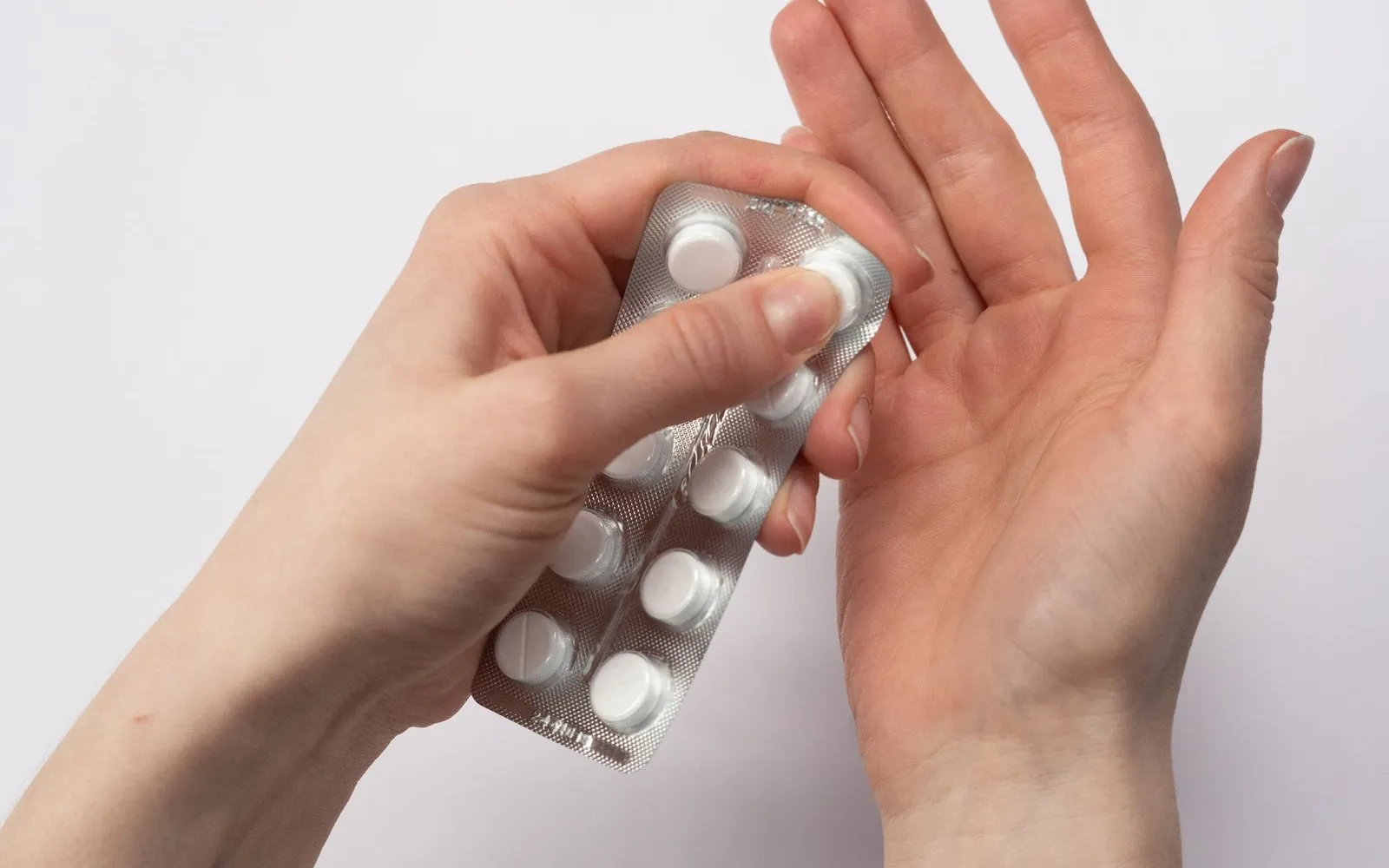
What are the side effects of HRT?
Many people get none. The NHS says it’s common to have no side effects or only mild ones. If you do get them, they’re usually mild and pass within 3 months.
Most HRT combines oestrogen and a progestogen (a form of progesterone). After a hysterectomy you can take oestrogen alone. Each hormone can cause side effects.
On sequential combined HRT you take a progestogen on some days of each month. On continuous combined HRT you take both hormones every day.
| Side effect | How long it usually lasts | What helps |
|---|---|---|
| Headaches | A few days | Ibuprofen or paracetamol. See a doctor if it lasts over a week or is severe. |
| Sore or tender breasts | A few weeks (4 to 6 weeks on sequential combined HRT) | See a doctor if it bothers you or does not go away. |
| Feeling sick | A few days | Take tablets with food. Stick to simple meals. See a doctor if it lasts more than a week. |
| Spotting or bleeding | Usually settles within 6 months | Tell your GP at your 3-month review. |
| Leg cramps | The first few weeks | Stretch your calf muscles regularly. Gentle exercise may help. |
| Mood changes or low mood | May last the first few months | See a doctor if it lasts longer or is too hard to cope with. |
Sources: NHS: side effects of oestrogen; NHS: sequential combined HRT; NHS: side effects of HRT
Other side effects on the NHS list include a mild rash or itching, diarrhoea and hair loss. Talk to your doctor if a rash or itching does not go away after about a week. A progestogen can also bring acne, tiredness or dizziness.
The NHS advice is to carry on for at least 3 months if you can. Start a note of each side effect and the date it began.
How long do HRT side effects last?
Many fade within a few weeks. Your body gets used to the hormones, and side effects often improve as it does.
What usually settles when, in your first 6 months
- 1
First few days
Headaches and feeling sick usually ease.
- 2
First few weeks
Sore breasts and leg cramps usually settle.
- 3
First few months
Mood changes may last this long. First review at 3 months.
- 4
6 months
Spotting usually settles. Irregular bleeding after this: see a GP.
Sources: NHS: side effects of oestrogen; NHS: side effects of HRT; NICE NG23
Bleeding depends on your type of HRT. On sequential combined HRT (a progestogen on some days of each month), a bleed at the end of each progestogen course is normal. On continuous combined HRT (both hormones every day), irregular spotting is common for the first 4 to 6 months.
Changed your dose or type? NICE says bleeding is common again for 3 months after a change.
Take your notes to your 3-month HRT review. That’s when your GP checks how it’s going.
Is it the HRT or the menopause?
It can be hard to tell. The NHS says side effects of HRT can be similar to menopause symptoms, so it might not be your HRT.
Think of new shoes worn on a long walk. Sore feet could come from either. If your feet already hurt on long walks before the new shoes, the shoes may not be to blame.
| You notice | What the NHS says |
|---|---|
| Weight gain | Little evidence that most types of HRT make you put on weight. Gain often happens with or without HRT. |
| Hair loss | Not always caused by oestrogen. It’s sometimes a symptom of the menopause. |
| Low mood or anxiety | A possible side effect, but also a menopause symptom HRT can help with. |
Sources: NHS: side effects of HRT; NHS: side effects of oestrogen; NHS: about HRT
So check your notes: was it there before your first dose? Tell your GP either way. More on menopause weight gain, perimenopause hair loss and menopause mood and anxiety.
What helps HRT side effects?
Small fixes first. These come from the NHS coping tips.
What helps HRT side effects
- For headaches, try a painkiller such as ibuprofen or paracetamol.
- If you feel sick, take HRT tablets with food and stick to simple meals.
- For leg cramps, stretch your calf muscles regularly.
- With diarrhoea, drink lots of fluids, such as water or squash. See a doctor if it lasts more than a week.
- Carry on for at least 3 months if you can, and note each side effect.
- If side effects last, ask your GP about a different dose, type or way of taking HRT.
Sources: NHS: side effects of oestrogen; NHS: side effects of HRT
Switching can help. A GP might suggest a different dose or type, or moving from tablets to patches. Diarrhoea is more likely with tablets than patches.
A rash only where your patch, gel or spray goes? Talk to your doctor.
Never stop or change a prescribed medicine without your prescriber. Still stuck after changes? NICE says you can be referred to a menopause expert.
What are the serious risks of HRT?
For most people, small. The NHS says the risk of any serious side effect is usually very low. It depends on your type of HRT, how long you take it and your own health risks.
HRT can ease hot flushes, night sweats, sleep problems, low mood and vaginal dryness. Symptoms often improve within a few days or weeks.
| Risk | What the NHS says |
|---|---|
| Breast cancer | Around 5 extra cases in every 1,000 women who take combined HRT for 5 years. Little or no rise with oestrogen-only HRT. |
| Blood clots | Tablets can raise the risk, but it is still very low. Patches, gel and spray do not. |
| Stroke | Tablets slightly raise the risk, still very low, especially if you’re under 60. Patches, gel and spray do not. |
Sources: NHS: benefits and risks of HRT; NICE NG23
Breast cancer risk rises the longer you take HRT and the older you are. It falls again after you stop. Keep going to your breast screening.
Under 60, with menopause symptoms, and not at high risk of breast cancer or clots? The NHS says the benefits are likely to outweigh the risks. Ask your GP which form suits you, or read about alternatives to HRT.
When to speak to a GP
Speak to a GP if:
- Your side effects are severe or last longer than 3 months.
- Irregular bleeding lasts more than 6 months after starting HRT, gets heavier, or starts after your periods had stopped for a while. Or your bleeding changes in any way after you have been on HRT for more than a few months.
- You bleed at all after a hysterectomy (an operation to remove the womb).
- You notice a breast lump or changes, such as dimpled skin or a change in your nipple.
- You have pain, redness or swelling in one leg, usually the calf. Call a doctor or 111 now: it could be a clot.
Call 999 or go to A&E for chest pain and breathlessness. The same goes for trouble speaking or moving an arm or leg, or a face that has dropped on one side. Don’t drive yourself.
Call 999 if your lips, mouth, throat or tongue suddenly swell, or you breathe very fast or struggle to breathe. The same goes if your throat feels tight or you struggle to swallow. Also call 999 for skin, tongue or lips turning blue, grey or pale, sudden confusion, drowsiness or dizziness, or fainting and not waking up.
You can report a suspected side effect on the Yellow Card website (the UK medicines regulator’s side effect reports). Before you start, see blood tests and HRT.