Do mushrooms have benefits for women?
As food, yes. As capsules, not proven. One kind of mushroom on the shelf can give a whole day’s vitamin D in 100 g. Most give almost none.
On this page
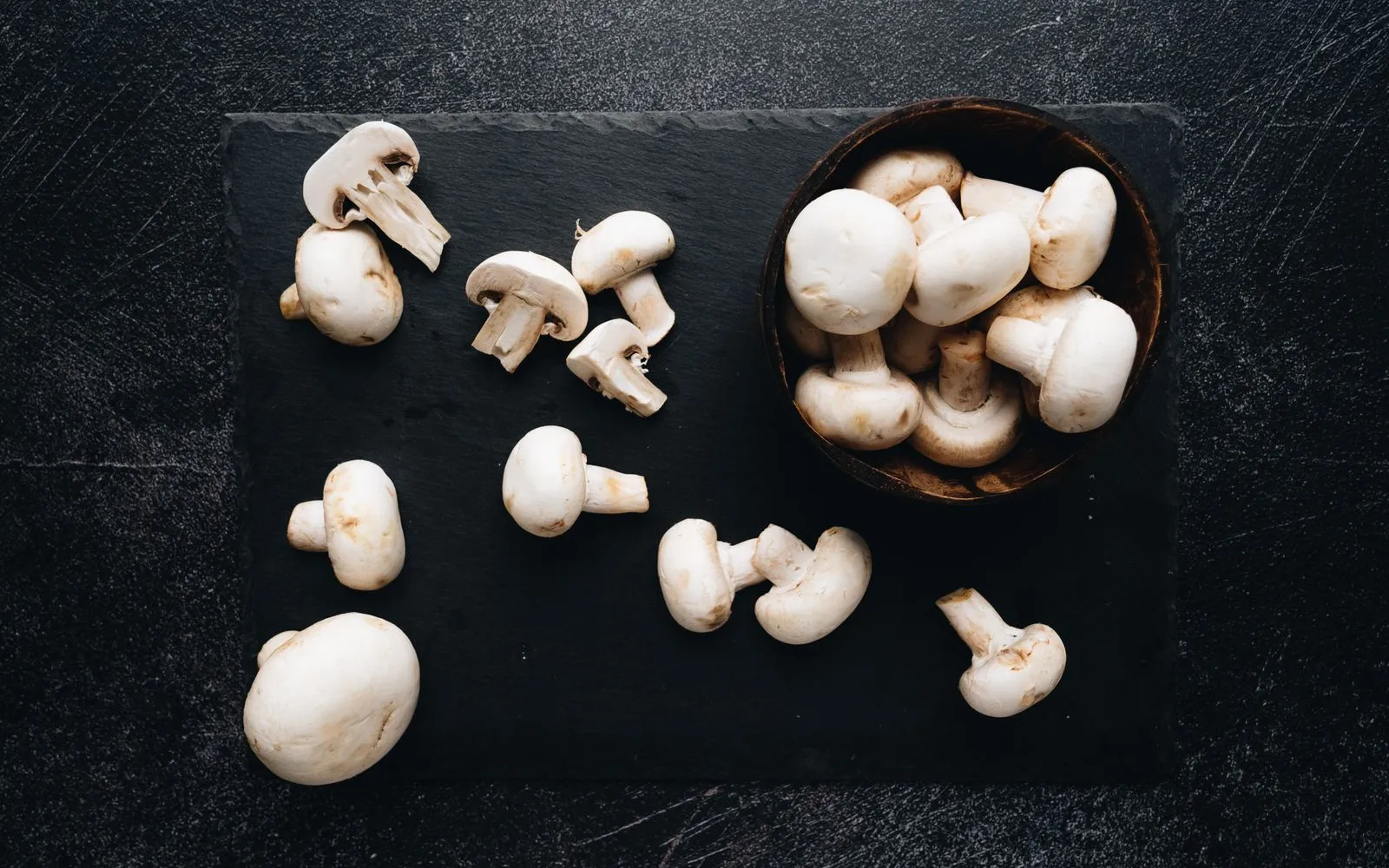
What are the benefits of mushrooms for women?
Mushrooms you cook are a vegetable. An 80 g portion of vegetables counts towards your 5 A Day, and some mushrooms add vitamin D.
Capsules and powders are a different story. Which? found no good evidence for solid health claims for most of the popular ones. Human studies are mostly small.
There are also no approved health claims for mushrooms on the Great Britain register. So a pack that says it balances hormones, clears skin or eases periods has no approved claim behind it.
| Mushroom | Sold for | What studies in people found |
|---|---|---|
| Lion’s mane | Focus, memory, mood | Brain claims rest mostly on test-tube and animal work. |
| Reishi | Stress, sleep, immunity | Small, short trials. Big claims lack evidence. |
| Cordyceps | Energy, exercise | May help untrained people a little, in small studies. |
| Chaga | Immunity, inflammation | Very little human evidence. |
| Turkey tail | Immunity, cancer support | Extracts are approved alongside some cancer care in Japan and China. Most shop capsules don’t contain this much extract. |
Source: Which?
So spend on mushrooms for your plate first. If you still want a capsule, check your medicines against the safety table below.
Can mushrooms give you vitamin D?
Yes, but only some. Mushrooms make vitamin D in UV light, the way your skin does in sun. Most shop mushrooms are grown in the dark, so they have almost none.
The kind that pays off is UV-exposed mushrooms. Growers shine a UV lamp on them, often after picking.
| Food or need | Vitamin D |
|---|---|
| 100 g of ordinary button mushrooms | Usually less than 1 microgram |
| 100 g of UV-exposed mushrooms | Usually more than 10 micrograms |
| What an adult needs each day | 10 micrograms, including in pregnancy and breastfeeding |
Sources: Cardwell 2018; NHS
The British Dietetic Association lists some mushrooms as a food source of vitamin D. Look for packs that say they contain it.
It’s hard to get enough from food alone. The NHS says everyone should consider a daily 10 microgram supplement in autumn and winter, and some people all year round. More in our vitamin D deficiency guide.
Do mushrooms help with menopause?
There’s no good evidence they do. The best-known trial gave lion’s mane cookies or dummy cookies to 30 women for 4 weeks.
Low mood and general complaint scores fell in the lion’s mane group. But only two of the complaint items beat the dummy cookies. The authors say lion’s mane has “the possibility” to ease low mood and anxiety. That’s a reason for a bigger trial, not proof.
The trial also scored menopause symptoms, but it reported no clear benefit for them.
The NHS says herbal remedies sold for menopause have very little evidence on how well they work or how safe they are. Some may cause serious side effects when taken with other medicines.
Compare the options in our menopause supplements guide and menopause mood and anxiety guide.
Do mushrooms lower breast cancer risk?
Maybe, as food, but it isn’t proven. A review of 17 studies looked at mushrooms and cancer. In the 10 on breast cancer, people who ate the most mushrooms had about a third lower risk than those who ate the least.
Most studies in that review (11 of 17) asked people to remember what they ate. The authors say that can bias the results. The studies also allowed for other habits in very different ways.
So it’s a reason to keep mushrooms in your meals. It isn’t a reason to buy capsules, which these studies didn’t test.
Are mushroom supplements safe for women?
Most are generally well tolerated. But Which? links long use of strong reishi with dry mouth, dizziness, stomach upsets and rashes. Reishi can raise your risk of bleeding, and liver injury is a listed side effect.
| If you take | Mushrooms to check first |
|---|---|
| Blood thinners | Reishi, lion’s mane, cordyceps, chaga |
| Blood pressure tablets | Reishi |
| Diabetes medicine | Lion’s mane, cordyceps, chaga |
| Medicines that calm the immune system | Reishi |
| Chemotherapy or radiotherapy | Turkey tail |
| Kidney disease or kidney stones in the past | Chaga |
Chaga is high in oxalates, natural compounds that may raise the risk of kidney stones, especially with long use of strong extracts.
Never stop or change a prescribed medicine without your prescriber.
Pregnant or trying for a baby? The NHS says not all natural remedies are safe in pregnancy. It advises not taking herbal remedies if you’re trying to get pregnant.
Before you try a mushroom supplement
- Put mushrooms on your plate first, and pick UV-exposed packs for vitamin D.
- Ignore any pack that promises to treat or balance anything. No mushroom health claim is approved.
- Check your medicines with a pharmacist, especially blood thinners, blood pressure or diabetes medicine.
- Tell your midwife, doctor or pharmacist if you use herbal remedies and are pregnant.
- Skip herbal remedies if you’re trying to get pregnant, as the NHS advises.
- Avoid cordyceps if you take blood thinners or have surgery booked.
Taking reishi or chaga for a while? See which mushroom supplements show up on a blood test. For lion’s mane and focus, see our lion’s mane guide.
When to speak to a GP
Speak to a GP or pharmacist if:
- You take blood thinners, blood pressure tablets, diabetes medicine or medicines that calm the immune system, and want to try a mushroom supplement.
- You’re having chemotherapy or radiotherapy, or you have an autoimmune disease, where the immune system attacks your own body, and want to try a mushroom supplement.
- You have kidney disease or have had kidney stones, and want to try chaga.
- You think you have symptoms of menopause or perimenopause and want to know your options.
- You still have periods but bleed more than before, or you’ve had none for 12 months or more and have any vaginal bleeding.
Pregnant? Tell your midwife about any herbal remedy you use.