Natural sources of electrolytes
Salty food, milk and fruit. A varied diet gives most people all they need. But carton coconut water, often called a natural sports drink, is low in the one mineral sweat loses most.
On this page
What are natural sources of electrolytes?
Electrolytes are the salts and minerals in your body’s fluids. The main ones are sodium, chloride, potassium, magnesium and calcium. Sodium and chloride help keep your fluids balanced.
Everyday food is the natural source. The NHS says you should get all the potassium, magnesium and calcium you need from your daily diet.
| Electrolyte | Good food sources | Adults a day |
|---|---|---|
| Sodium and chloride (salt) | Bread, cheese, bacon, breakfast cereals, ready meals, savoury snacks | No more than 6g salt (2.4g sodium) |
| Potassium | Bananas, broccoli, parsnips, beans, nuts, fish, beef, chicken | 3,500mg (age 19 to 64) |
| Magnesium | Spinach, nuts, wholemeal bread | 300mg men, 270mg women (19 to 64) |
| Calcium | Milk, cheese, kale, okra, sardines, soya drinks with added calcium | 700mg |
Sources: NHS: vitamins and minerals; NHS: calcium
Salt is the one most of us overdo. UK adults eat about 8g a day on average, against a limit of 6g. So you rarely need to add more.
Your next step: check your plate has fruit, veg, beans or nuts most days. For the salt side, see how much salt a day.
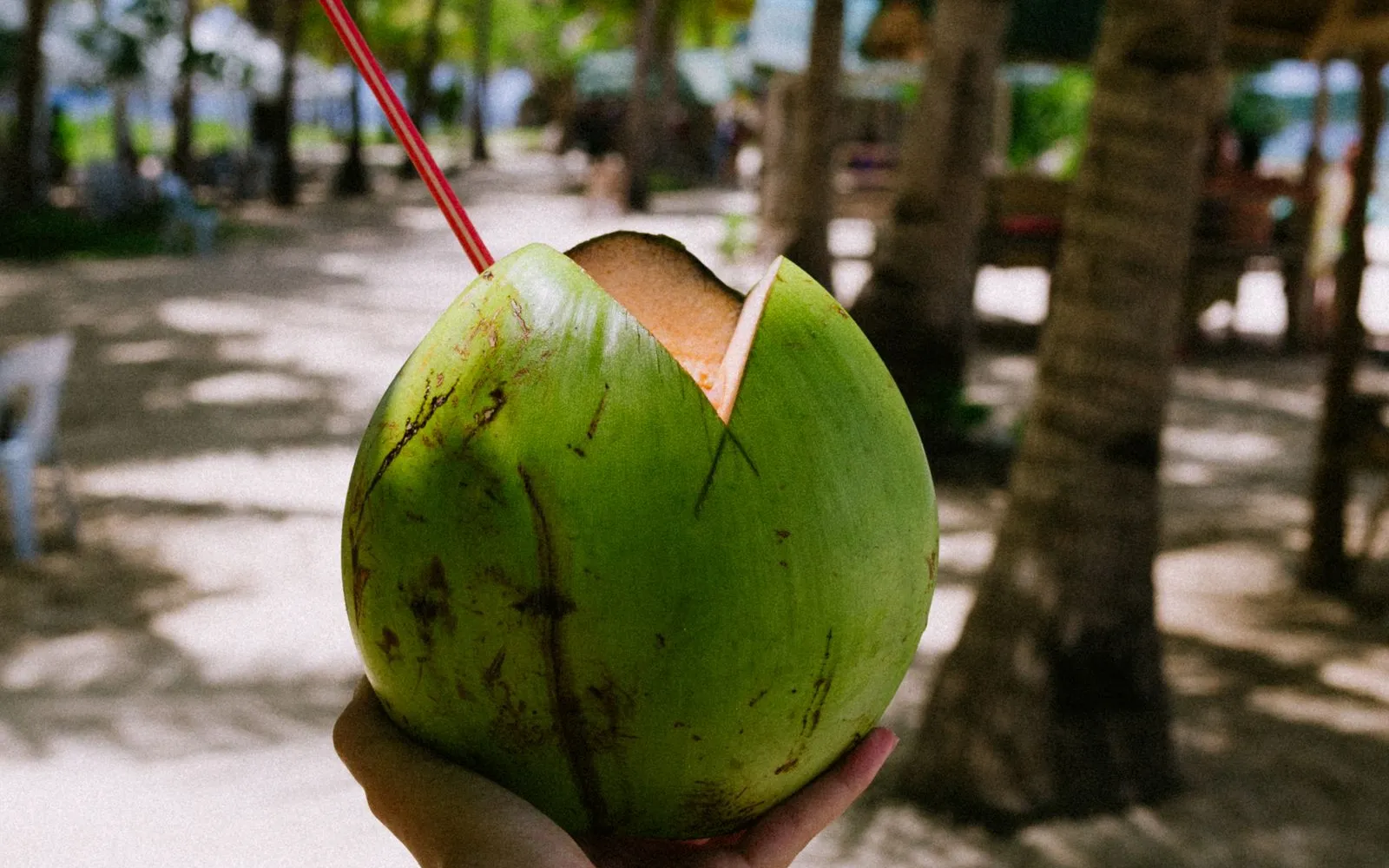
Is coconut water a good electrolyte drink?
It’s a good source of potassium. But sweat loses far more sodium than potassium, and carton coconut water has little sodium.
| Per 100ml | Sodium | Potassium |
|---|---|---|
| Sweat | About 23 to 161mg | About 8 to 31mg |
| Coconut water, carton | 26mg | 165mg |
| Coconut water, fresh from the nut | 105mg | 250mg |
| Whole milk | 43mg | 132mg |
Sources: Baker 2017; USDA: carton coconut water; USDA: fresh coconut water; USDA: whole milk
A litre of carton coconut water has about 260mg of sodium. UK rules for sports drink claims ask for 460 to 1,150mg per litre. Fresh coconut water has more, and it varies by coconut.
Does it still work? In a small trial, 12 fit men lost sweat on a treadmill.
Coconut water rehydrated them as well as a sports drink, and plain water did as well for performance. People felt more bloated and had more stomach upset on coconut water.
So drink it if you like it. Just don’t count on it to replace salt after a sweaty session.
Which drinks with electrolytes hydrate best?
Milk. In a UK trial, 72 resting men drank 1 litre of different drinks. Milk kept about as much fluid in as a pharmacy rehydration drink.
| 1 litre of | Pee over the next 4 hours |
|---|---|
| Still water | 1,337g |
| Sports drink, tea, coffee, orange juice, cola, lager | No different from water |
| Full-fat milk | 1,052g |
| Skimmed milk | 1,049g |
| Oral rehydration solution | 1,038g |
Source: Maughan 2016
Another UK study tested drinks after exercise in 11 people. After low-fat milk, they peed about half as much as after water or a sports drink. The authors say milk can be considered after exercise by everyone except people who can’t digest the sugar in milk (lactose intolerance).
Your next step: after a hot or sweaty workout, try a glass of milk with your water. Wondering about sachets? See do you need electrolyte drinks.
Do watermelon, bananas and lemon have electrolytes?
Yes, mostly potassium, with almost no sodium. Watermelon has 112mg of potassium per 100g. Banana has 358mg per 100g.
Lemon juice has 103mg per 100ml. A squeeze in your water adds very little. Enjoy it for the taste.
Six natural ways to top up your electrolytes
- Drink 6 to 8 cups or glasses of fluid a day. You may need more if you’re hot, pregnant or breastfeeding, active for long periods, or ill.
- Eat potassium foods most days, such as bananas, broccoli, beans, nuts or fish.
- Get magnesium from spinach, nuts and wholemeal bread.
- After a sweaty session, replace water and salts with a drink and your next meal.
- Try a glass of milk after exercise, unless milk upsets your stomach (lactose intolerance).
- Keep fruit juice and smoothies to one small glass (150ml) a day, with a meal.
Sources: NHS: vitamins and minerals; NHS: water and drinks; BDA: sport; Shirreffs 2007
Think you’re low on one mineral? See signs of low magnesium.
When do you need more than food and water?
Rarely. The British Dietetic Association says water suits most activities. The NHS says water is the best way to replace lost fluids after sweating or being unwell.
What to drink, by situation
- 1
Normal day
Water, milk, tea or coffee, and your usual meals.
- 2
Sweaty workout
Drink to stay just ahead of thirst. Replace water and salts afterwards.
- 3
Long or hard exercise
A sports drink may help.
- 4
Sick or diarrhoea
Ask a pharmacist for an oral rehydration solution.
Sources: BDA: fluid; BDA: sport; NHS: dehydration
Being sick or having diarrhoea? You need to put back sugar, salts and minerals. A pharmacist can recommend a rehydration powder you mix with water.
If a young child has diarrhoea or is being sick, don’t give them fruit juice or fizzy drinks. The NHS says it can make things worse.
Have kidney disease? Your kidneys may not clear potassium well. The NHS says that if high potassium becomes severe, it can cause an irregular heartbeat.
Ask your GP or kidney team before drinking lots of coconut water. More in high potassium levels.
When to speak to a GP
Get an urgent GP appointment or call 111 if you have signs of serious dehydration. Call 111 for advice about a child under 5.
- You feel unusually tired, or your child seems drowsy.
- You feel dizzy when you stand up and it does not go away.
- Your pee is dark yellow, or you’re peeing less than normal (or your baby has fewer wet nappies).
- You’re breathing quickly or have a fast heart rate.
- Your baby or child has few or no tears when they cry, or your baby’s soft spot on top of their head sinks inwards.
Call 999 or go to A&E if someone has signs of dehydration and blue, grey, pale or blotchy skin, lips or tongue. The same goes for cold skin, trouble breathing, confusion, or being very sleepy or hard to wake.
Had a blood test while dry? See dehydration and blood test results.