Do you need omega 3-6-9 supplements?
Most people only need the omega-3. You tend to get enough omega-6 from food, and your body makes omega-9. So if you do buy a 3-6-9, one line on the label matters most.
On this page
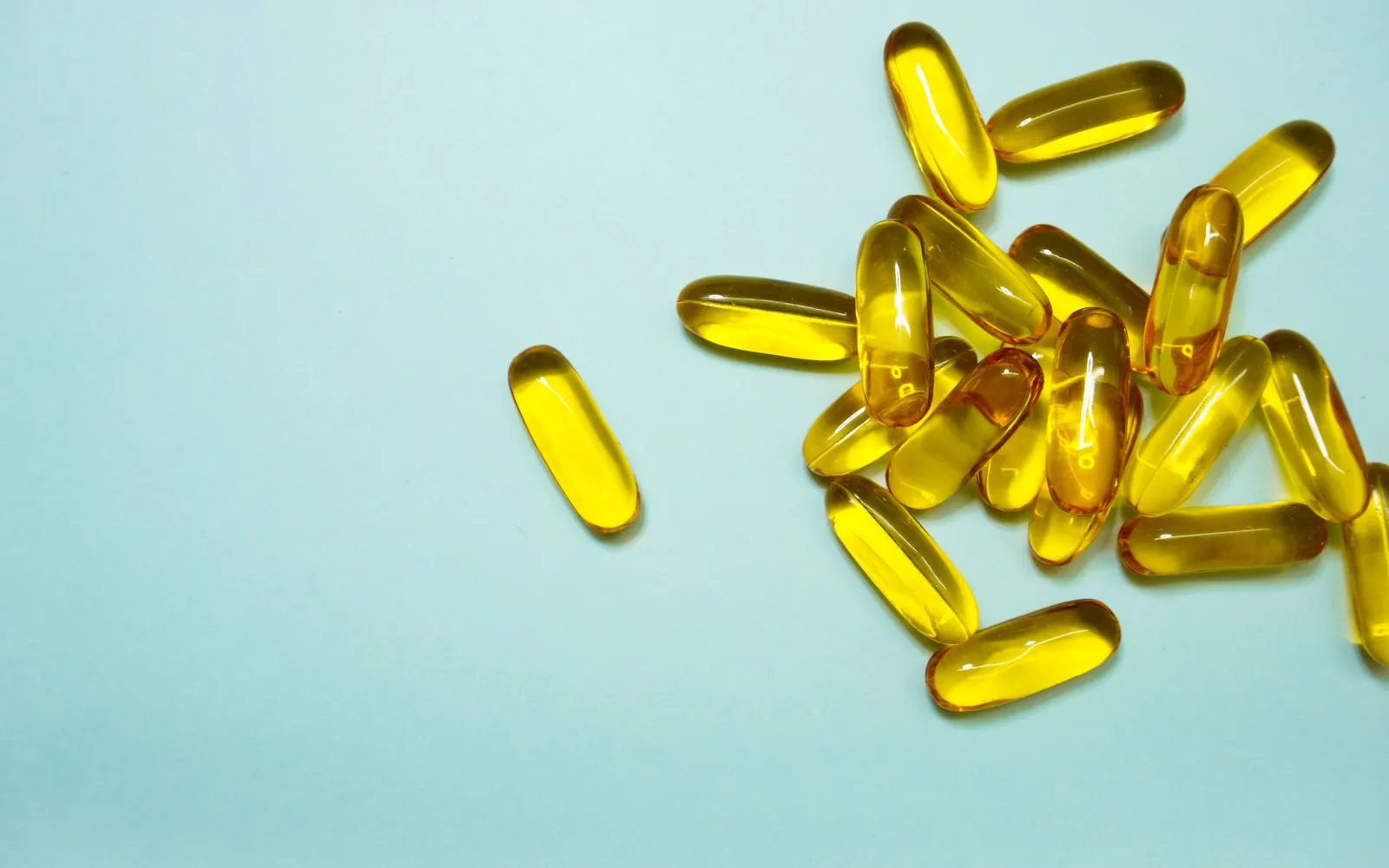
Do you need an omega 3-6-9 supplement?
Probably not. Of the three, omega-3 is the one the NHS says to have more of.
The BHF says we tend to get enough omega-6, as it’s in a wide range of foods. And your body makes omega-9, so it’s not essential in your diet.
| Type | Main foods | Need more? |
|---|---|---|
| Omega-3 | Oily fish, such as salmon, sardines and mackerel. Also rapeseed oil, walnuts and flaxseed. | Yes. The NHS says to eat more, from fish. |
| Omega-6 | Rapeseed, corn and sunflower oil. Walnuts, almonds and cashews. | No. Most people get enough, says the NHS. |
| Omega-9 | Olive, rapeseed and peanut oil. | No. Your body makes it, says the BHF. |
A 3-6-9 capsule is like a meal deal with two items already in your fridge. You pay for three, but for most people only one fills a gap.
Do you need omega-3 in a capsule at all? The BHF says not unless your doctor prescribed it. Research suggests the benefits come from food.
The BDA says supplements aren’t recommended for most people in the UK, as evidence of benefit is inconclusive.
So start with food. The NHS advice is at least 2 portions of fish a week, with 1 of them oily. See foods high in omega-3 for a shopping list.
Is omega-6 bad for you?
Not on the trial evidence so far, though much of it is low quality.
A Cochrane review pooled 19 trials in 6,461 adults, followed for 1 to 8 years. Some were asked to eat more omega-6. The rest kept to their usual diet.
| What was checked | With more omega-6 | How sure |
|---|---|---|
| Blood cholesterol | Lowered a little, by 0.33 mmol/L on average | High-quality evidence |
| Deaths, and heart and circulation events | May make little or no difference | Low-quality evidence |
| Heart attacks | May reduce the risk | Low-quality evidence |
Source: Cochrane (Hooper 2018)
The NHS says polyunsaturated fats, which include omega-6, can help lower bad (LDL) cholesterol.
Heard you need the right ratio of 3 to 6? The NHS fats page gives no ratio. Its advice is to have more omega-3 by eating fish, not to cut omega-6.
So keep cooking with rapeseed or sunflower oil, and add oily fish. More in are seed oils bad for you?
What is omega-9, and do you need it?
Omega-9 is a type of fat found in olive, rapeseed and peanut oil (a monounsaturated fat). The BHF says we can make it in the body, so it’s not essential in our diets.
You don’t need it in a capsule. But the oils it comes in still help. The BHF says swapping saturated fats for olive, rapeseed or peanut oil is good for your cholesterol.
So swap butter or lard for olive or rapeseed oil when you cook. For more swaps, see how to lower cholesterol.
What to look for on omega 3-6-9 capsules
That line is EPA plus DHA. These are the two omega-3s found in fish. The BHF says to choose a supplement with EPA and DHA, not just fish liver oil, and check how much.
| EPA + DHA a day | Who says it | What it means |
|---|---|---|
| 250 mg | UK health claim rules | The amount for the claim that EPA and DHA help the heart work normally. |
| About 450 mg | BHF | About what you’d get from the recommended amount of fish. |
| 500 mg | HEART UK | Around the same as a 140 g portion of oily fish a week. |
Sources: UK claims register; BHF; HEART UK
Before you buy a 3-6-9 capsule
- Add up the EPA and DHA in your daily dose. Compare it with about 450 mg, the BHF figure.
- Choose fish oil or algae oil, not fish liver oil.
- Check the vitamin A. HEART UK says pick one with less than 1 mg a day.
- Pregnant or breastfeeding? Avoid supplements that contain vitamin A, including fish liver oil.
- Vegan? Pick one with algae oil for EPA and DHA. Flaxseed oil gives a plant omega-3 instead.
- Take medicines that thin your blood, such as aspirin, warfarin or heparin? Speak to your doctor first.
A vegan blend made with flaxseed oil gives you a plant omega-3 called ALA. The BDA says your body turns ALA into EPA and DHA slowly, and only in small amounts.
Seen omega-7 for sale? The UK list of approved health claims has no claim for it.
Taking cod liver oil? See cod liver oil vs fish oil.
Want to know your level? Read about the omega-3 blood test.
When to speak to a GP
Get help if:
- Call 999 if your lips, mouth, throat or tongue suddenly swell, or your throat feels tight. Call too if you’re breathing very fast, or struggling to breathe or swallow. The same goes if your skin, tongue or lips turn blue, grey or pale, or you suddenly feel very confused, drowsy or dizzy. Call if someone faints and can’t be woken, or a child is limp, floppy or not responding like normal. If you have an adrenaline pen, use it first, then call 999.
- You take medicines that thin your blood and want a fish oil supplement. The BHF says to talk to your doctor first.
- You’re pregnant or trying for a baby and want fish liver oil. The NHS says to avoid it unless your GP advises otherwise.
- Your doctor prescribed omega-3 for high triglycerides and you want to switch to a shop-bought 3-6-9. HEART UK says keep taking the prescribed one.
Never stop or change a prescribed medicine without your prescriber. On fish oil already? See cholesterol results on fish oil.