Omega-3 supplements: do you need one, and which?
Pick by the EPA and DHA per daily dose, about 450mg, not the brand. Most people don’t need one. Ask your doctor first, especially if you take medicines that affect blood clotting.
On this page
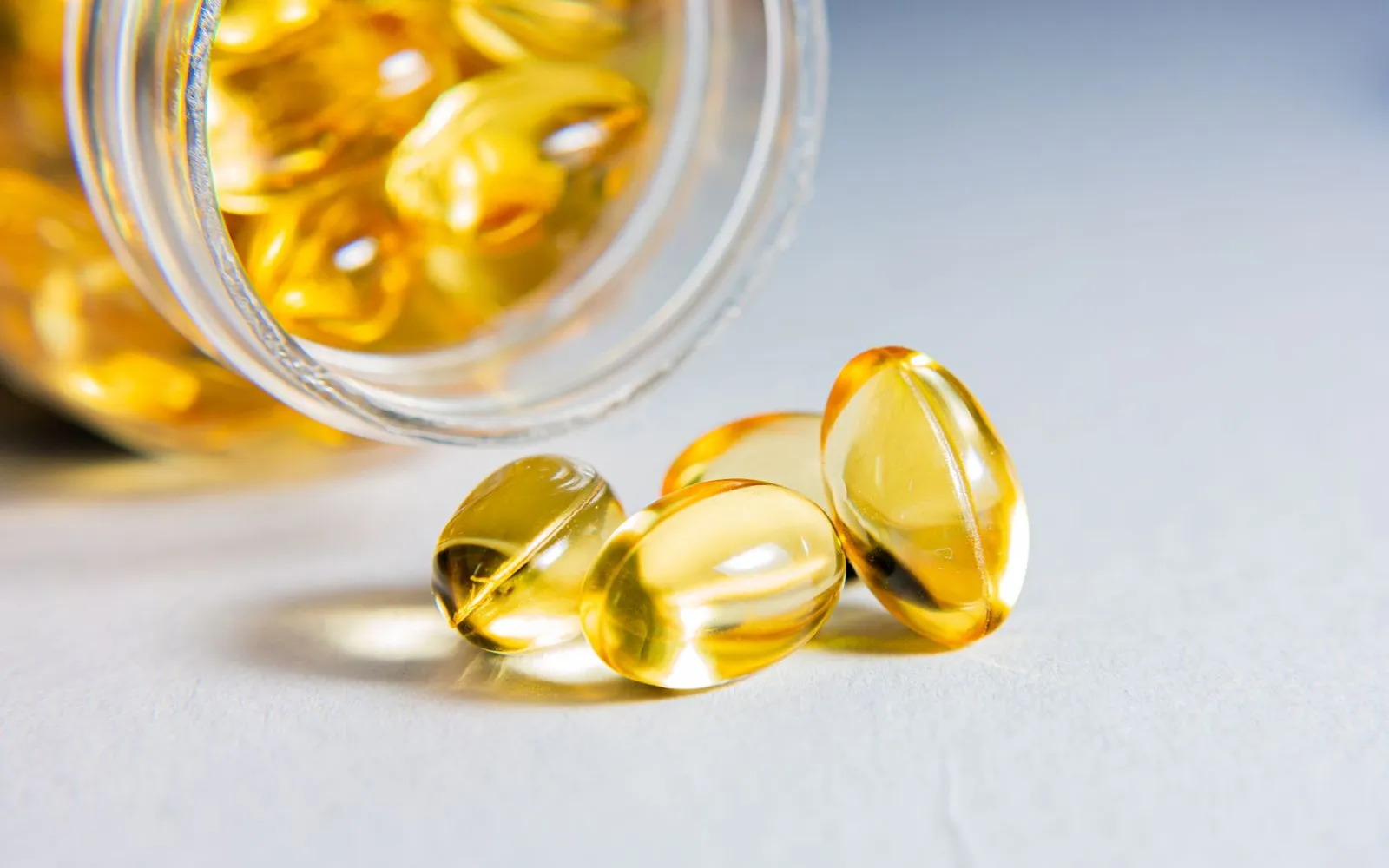
What is the best omega-3 supplement?
There’s no best brand. A good one gives you enough EPA and DHA. These are the two omega-3s found mainly in oily fish.
If you take one, the British Heart Foundation (BHF) says aim for roughly 450mg of EPA and DHA a day. That’s about what the fish in UK advice would give you.
Omega-3 isn’t a vitamin. Some omega-3s are fats your body can’t make, so they have to come from food.
Choose an omega-3 in four checks
- 1
Do you need one?
Most people don’t, unless a doctor prescribed it.
- 2
Pick the oil
Fish oil or algae oil, not fish liver oil.
- 3
Read the dose
Add up EPA and DHA per daily dose. Aim for about 450mg.
- 4
Check your medicines
On medicines that affect blood clotting? Ask your doctor first.
Your next step: turn the pack over and find the EPA and DHA per daily dose. For the label maths, see how much omega-3 you need a day.
Do omega-3 supplements work?
For most hearts, not much. A Cochrane review, a big summary of trials, pooled 86 trials in 162,796 people. Most gave capsules.
More EPA and DHA had little or no effect on deaths, or on heart and circulation events. It may slightly cut heart disease deaths and events, but that finding is less certain.
| Hoped for | What trials found | Source |
|---|---|---|
| Fewer deaths, heart attacks and strokes | Little or no effect. | Cochrane |
| Fewer major heart events or cancers, at 1g a day | No clear drop compared with a dummy pill. | VITAL |
| Lower triglycerides, a blood fat | Down by about 15%. | Cochrane |
| Relief from moderate to severe dry eye | 3000mg a day for a year did no better than olive oil. | DREAM |
NICE, which writes guidance for the NHS, says don’t offer omega-3 to prevent heart disease. The exception is a prescribed omega-3 called icosapent ethyl.
It’s for some adults on statins (cholesterol-lowering medicines) who already have heart disease and raised triglycerides.
So for your heart, food comes first. See foods high in omega-3 and how to lower triglycerides.
Wondering about memory? Read omega-3 and memory.
Fish oil, cod liver oil or algae oil?
For most adults, fish oil or algae oil. The British Dietetic Association (BDA) says choose omega-3 rather than fish liver oil.
Fish liver oil, such as cod liver oil, is high in vitamin A. The NHS says have no more than 1.5mg of vitamin A a day, from food and supplements combined.
Too much vitamin A can raise the risk of osteoporosis, where bones get weak, the BHF says.
| Type | What it gives | Watch for |
|---|---|---|
| Fish oil | EPA and DHA. | Amounts vary a lot. Check the mg per daily dose. |
| Fish liver oil, such as cod liver oil | EPA and DHA, plus a lot of vitamin A. | Avoid if pregnant or trying for a baby, unless your GP advises otherwise. |
| Algae oil | EPA and DHA. Suits vegetarians and vegans. | Amounts vary between products. Check the label. |
Strength words don’t help. Which? found high strength packs held anything from 250mg to 1764mg of EPA and DHA.
Buying for a child? The BDA says choose one made for their age, as children need less.
Compare the two fish options in cod liver oil vs fish oil. No fish? See vegan omega-3.
Who should check before taking fish oil?
The BHF says talk to your doctor before taking any supplement, to avoid clashes with medicines you’ve been prescribed. That matters most if you take medicines that affect blood clotting.
Atrial fibrillation is an uneven, often fast heartbeat.
In 7 heart trials of 81,210 people, average age 65, omega-3 capsules were linked to more atrial fibrillation. The link was stronger in trials using more than 1g a day.
A UK study followed 415,737 people without heart disease. Regular fish oil users were 13% more likely to get atrial fibrillation, and 5% more likely to have a stroke.
That study can’t prove fish oil caused it. The BHF says it’s no cause for concern if you already take fish oil, but not a green light to start for your heart.
Before you buy: your checklist
- Ask if you need one. Most people don’t, unless a doctor prescribed it.
- Choose fish oil or algae oil, not fish liver oil.
- Add up the EPA and DHA in one daily dose, which is often 2 or 3 capsules. Aim for about 450mg.
- Keep vitamin A to no more than 1.5mg a day, from food and supplements combined.
- Pregnant or trying for a baby? Avoid fish liver oil unless your GP advises otherwise.
- On medicines that affect blood clotting? Talk to your doctor before you start.
Never stop or change a prescribed medicine without your prescriber.
When to speak to a GP
Get help if:
- You take medicines that affect blood clotting and want to try fish oil. The BHF says talk to your doctor first.
- You’re pregnant or trying for a baby and thinking of cod liver oil. The NHS says avoid fish liver oil unless your GP advises otherwise.
- You take prescribed omega-3 for high triglycerides and get palpitations (a heartbeat that suddenly feels pounding, racing or fluttering), dizziness, shortness of breath or tiredness. The MHRA, which regulates medicines in the UK, says get medical help.
- You have palpitations that keep happening or are getting worse, or you think you may have symptoms of atrial fibrillation. The NHS says see a GP.
- Call 999 if you have a fast or uneven heartbeat with chest pain, shortness of breath, sweating, or feeling or being sick. Call too if it comes with fainting, dizziness or falling over, a severe headache, or weakness or numbness on one side of your face or body. The same goes for blurred vision or loss of sight, confusion or trouble speaking.
Curious about your own level? Read about the omega-3 blood test.