Osteoporosis or osteoarthritis?
Weak bones versus sore joints. Osteoporosis thins your bones and usually doesn’t hurt until one breaks. Osteoarthritis makes joints stiff and painful. You can have both, and one can fool the scan for the other.
On this page
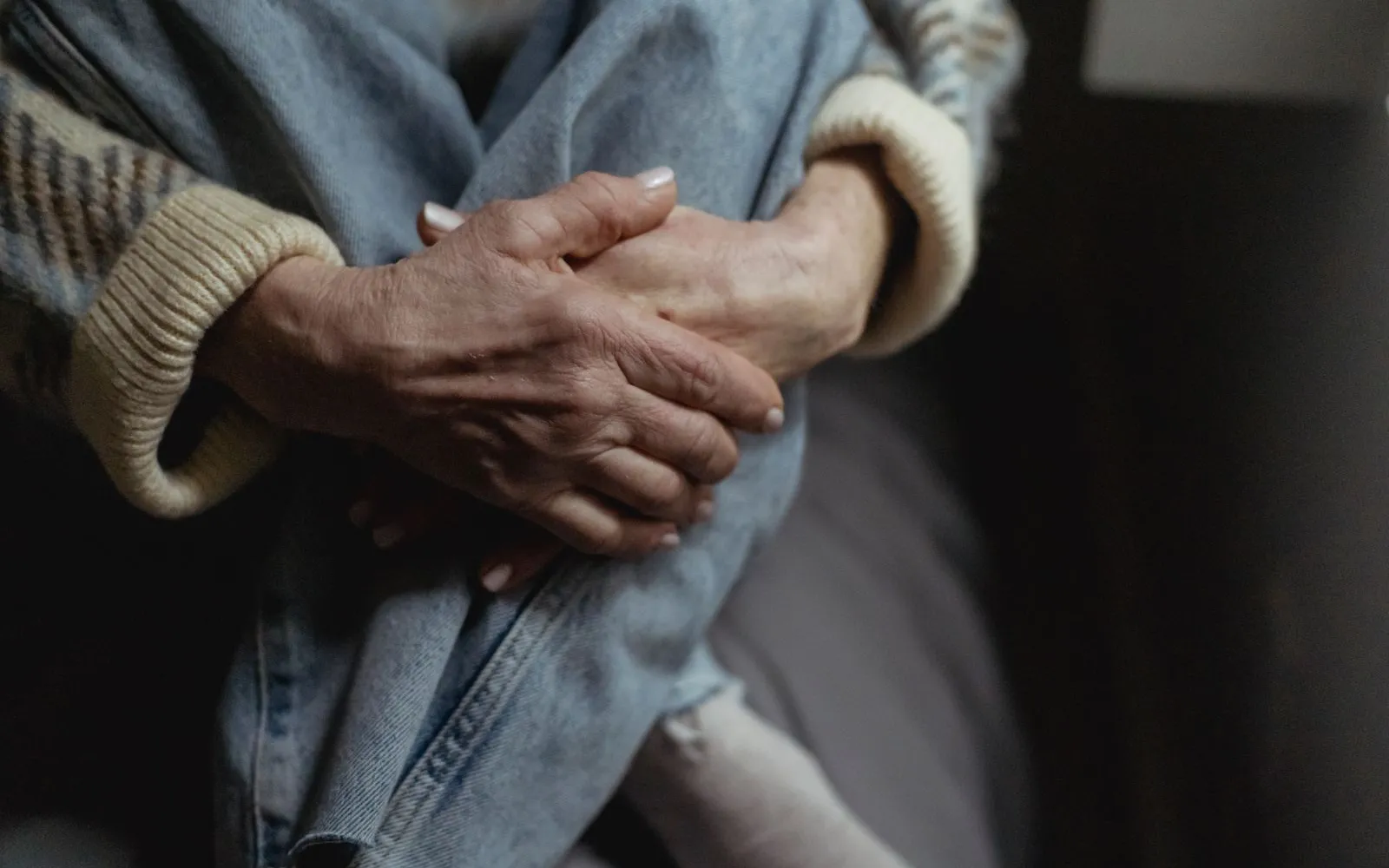
What is the difference between osteoporosis and osteoarthritis?
Osteoporosis is about the bone itself. It makes your bones weak, so they break more easily.
Osteoarthritis is about the joint, where two bones meet. It causes joints to become painful and stiff. The names sound alike, so the Royal Osteoporosis Society says many people mix them up.
Think of a house. Osteoporosis is the beams thinning. Osteoarthritis is the door hinges wearing.
Thin beams don’t creak, so you may only find out when one snaps. Worn hinges stick and grate each time you use them.
| Osteoporosis | Osteoarthritis | |
|---|---|---|
| What goes wrong | Bones get weak and break more easily. | The smooth coating on the ends of bones breaks down. |
| Main sign | Often none until a bone breaks after a minor fall or injury. | Joint pain and stiffness, and problems moving the joint. |
| Where | Breaks are most common in the wrists, hips and spine. | Most often the knees, hips and small joints of the hands. |
| Main test | A bone density scan (DEXA). | Usually your GP’s questions and an examination. |
Sources: NHS osteoporosis; NHS osteoarthritis; Royal Osteoporosis Society
Not sure which you’re worried about? Ask yourself: is it a joint that hurts when you use it, or a bone that broke too easily? Take that answer to your GP.
Which one causes joint pain?
Osteoarthritis. Its main symptoms are joint pain and stiffness, and problems moving the joint. Some people also get swelling, tenderness or a grating sound as the joint moves.
Osteoporosis itself doesn’t hurt. The pain comes from the broken bones it can lead to.
Strong bones should be able to withstand a bump, or a fall from standing height. If a bone breaks that easily, talk to your doctor about osteoporosis.
Back pain is the tricky one. Small breaks in the spine can cause back pain, a hunched posture or getting shorter. That pain can be mistaken for arthritis.
Sore knees or hands? See blood tests for joint pain.
Can you have arthritis and osteoporosis?
Yes. The Royal Osteoporosis Society says you can have both.
Here’s how one can fool the scan for the other. Osteoarthritis can grow small bony lumps called osteophytes.
How osteoarthritis can make a bone scan look too good
- 1
Bony lumps
Osteoarthritis can grow lumps on the spine or around joints.
- 2
Scan can’t tell
A DEXA scan sees them as normal bone.
- 3
Result reads high
It may say your bones are stronger than they are.
- 4
Your clinician checks
They take this into account when reading your result.
Source: Royal Osteoporosis Society
The lumps don’t usually cause problems. But if you have osteoarthritis in your spine, a good scan result may not tell the whole story.
Ask whoever reads your scan if they allowed for it. More on scores in our DEXA scan guide and low bone density guide.
How are they tested and treated?
| Osteoporosis | Osteoarthritis | |
|---|---|---|
| First check | Your GP assesses your risk and asks about symptoms. | Your GP asks about symptoms and examines your joints. |
| Tests | May be sent for a bone density scan (DEXA). | X-rays or blood tests are not usually needed, but may rule out other causes. |
| Medicines | Some slow bone damage, others speed up new bone. | Painkillers if symptoms are more severe. |
| Long term | Treatment can cut the risk of broken bones. | No cure, but it doesn’t always get worse and can sometimes slowly improve. |
Sources: NHS osteoporosis; NHS osteoarthritis
A GP may suspect osteoarthritis if you’re 45 or older and the pain gets worse the more you use the joint. The third clue is stiffness that isn’t there in the mornings, or lasts less than 30 minutes.
Stiff for more than 30 minutes each morning? Say so. The NHS says that can be a sign of rheumatoid arthritis, a different condition.
Never stop or change a prescribed medicine without your prescriber.
What helps both?
Moving. The Royal Osteoporosis Society says staying active is important in both. The NHS calls exercise one of the most important treatments for osteoarthritis, whatever your age or fitness.
Five steps for stronger bones and easier joints
- Exercise regularly, with weight-bearing exercise (where your feet and legs carry your weight), strengthening and balance exercises.
- Talk to your GP or a physio before a new exercise plan if you have both conditions.
- Cut the chance of a fall: wear shoes with good grip and use a non-slip mat in the bath or shower.
- If you’re overweight, lose weight slowly to ease the strain on your knees and hips.
- Don’t smoke, and don’t drink too much alcohol.
Sources: NHS osteoporosis; NHS osteoarthritis; Royal Osteoporosis Society
Weight cuts both ways. Being underweight raises your osteoporosis risk. Being overweight often makes osteoarthritis worse.
So aim to lose weight only if you’re carrying extra.
Too much exercise too fast, or the wrong sort, may damage your joints. Build up slowly. Try our knee strengthening exercises or hip mobility exercises.
When to speak to a GP
Book an appointment if:
- You have joint pain or stiffness that won’t go away.
- Joint pain, stiffness or swelling gets in the way of your day, has no obvious cause, or comes with feeling unwell.
- You have back pain that is not getting better after a few weeks, or your spine becomes curved or your posture hunched.
- You think you may be at risk of osteoporosis and you’re worried.
- You’ve recently had a fall or injury and the pain is not getting better. Ask for an urgent GP appointment or get help from NHS 111.
Call 999 or go to A&E if you have severe pain after a fall or injury. Don’t drive yourself. Ask someone to take you or call 999 for an ambulance.