What is a normal random blood sugar?
Below 6.0 mmol/L, on an NHS lab range. Over 6 doesn’t mean diabetes on its own. It means a fasting test next. Only one random number counts as diabetes, and only with one other thing.
On this page
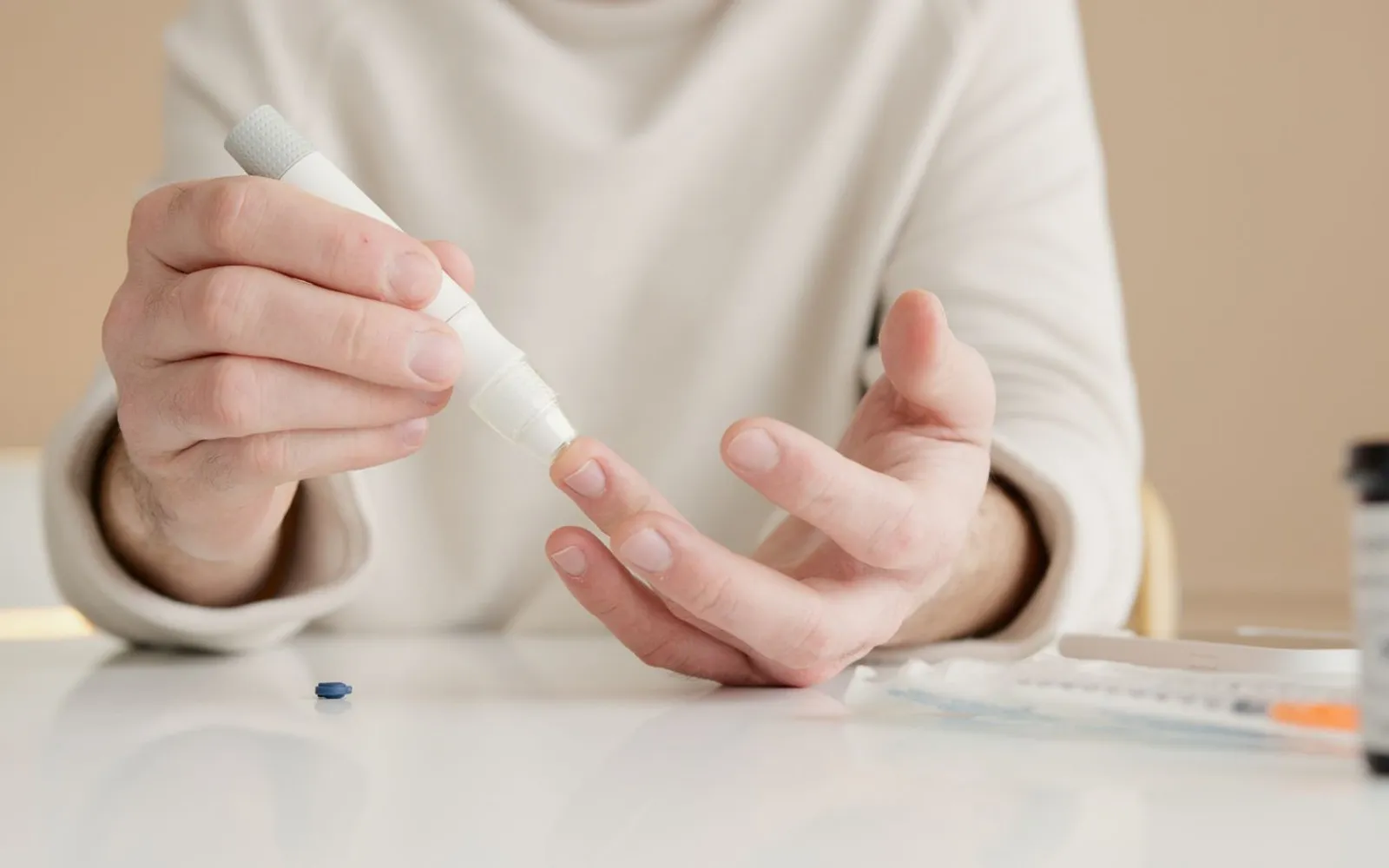
What is a normal random blood sugar level?
Below 6.0 mmol/L. That’s the random glucose range one NHS lab prints. Random means the blood was taken at any time, whatever you last ate.
Over 6.0? The lab’s advice is a fasting test. It doesn’t call that diabetes.
At 11.1 or more, the lab says a random result shows diabetes in someone with symptoms. That other thing is symptoms.
- 6 mmol/L or belowUp to 6.0. No fasting test advised.
- Above 6 to just under 11.1 mmol/LOver 6.0. Fasting test next.
- 11.1 mmol/L or aboveDiabetes, if you have symptoms and a lab test confirms it.
Sources: NHS lab (UH Sussex); Diabetes UK
The NHS lists the main symptoms as feeling very tired, peeing more than usual, feeling thirsty all the time and losing weight without trying.
One random test is a photo, not a film. It shows one moment, not your usual level, which is why a high one leads to a fasting test. Your own lab may print a different range, so check the one on your sheet.
Over 6.0? Ask your GP whether you need a fasting test.
What is a random blood sugar test?
It’s a glucose test you can have at any time of day. Diabetes UK says you may have one if you have severe symptoms of diabetes.
It’s a finger-prick or a blood sample from your arm. A finger-prick gives a result straight away. But any diagnosis from one needs a lab blood test to confirm it.
| Test | Normal or at risk | Diabetes |
|---|---|---|
| Random, any time | Below 6.0 is normal. Over 6.0: fasting test next. | 11.1 or more, with symptoms |
| Fasting, over 8 hours with only water, not pregnant | 3.0 to 5.4 is normal. 5.5 to 6.9 is higher than normal. | 7.0 or more with symptoms. Repeat the test if no symptoms |
| HbA1c, your 2 to 3 month average | 42 to 47 mmol/mol: at risk of type 2 | 48 mmol/mol or more |
Sources: NHS lab (UH Sussex); Diabetes UK
Diabetes UK calls HbA1c the main test for type 2 diabetes. You don’t need to fast for it. See our HbA1c test guide and glucose blood test guide.
Is a random blood sugar of 7 or 8 normal?
It’s over the lab range, but it can happen without diabetes. Blood sugar goes up and down through the day, with what you eat and how much you move.
In a US study, 153 healthy people wore a glucose sensor for up to 10 days. None had diabetes and none was obese.
| Blood sugar | Time in a typical day |
|---|---|
| Between 3.9 and 7.8 mmol/L | 96% of the day (middle value) |
| Above 7.8 mmol/L | About 30 minutes |
| Below 3.9 mmol/L | About 15 minutes |
| Average across the day | 5.4 to 5.5, or 5.8 over age 60 |
Source: Shah et al, 2019
So a 7 or 8 after a meal can fit a healthy day. It still sits over 6.0, so the fasting test is the way to tell.
Some things can push a reading up. The NHS names certain medicines, such as steroids, and a recent operation. Tell whoever tests you about either one.
More on meals in blood sugar after eating.
What happens after a high random glucose?
Over 6.0, the lab’s next step is a fasting test. Your GP may use HbA1c instead.
Get ready for your next blood sugar test
- Ask whether the test is fasting, random or HbA1c.
- For a fasting test, have only water for over 8 hours before it.
- Book a morning slot so you fast overnight.
- Tell them if you take steroids or had a recent operation.
- Ask for your number and the lab’s range, and write them down.
Sources: NHS lab (UH Sussex); Diabetes UK; NHS
Fasting 5.5 to 6.9, or HbA1c 42 to 47? NICE calls that a high risk of type 2 diabetes. Read prediabetes for what helps.
What should random blood sugar be with diabetes?
With diabetes, you aim for a target, not the normal range. Diabetes UK gives general targets, and your team may set your own.
| When | Aim (mmol/L) |
|---|---|
| On waking and before meals | 5 to 7 |
| Before meals at other times | 4 to 7 |
| At least 90 minutes after eating | 5 to 9 |
Source: Diabetes UK
With type 2, there are no NICE targets of this kind. Ask your team for yours.
Below 4 is usually low blood sugar, and it needs treating. See low blood sugar and high blood sugar.
Never stop or change a prescribed medicine without your prescriber.
When to speak to a GP
Most people with type 2 diabetes don’t have symptoms, so a test is the only way to know. See a GP if:
- Your random result was over 6.0 and no fasting test is planned.
- You have symptoms of high blood sugar, like thirst, peeing a lot or blurred vision, and no diabetes diagnosis.
- You don’t have diabetes but get shaking, sweating, a fast heartbeat and confusion.
- You think you or your child has type 1 diabetes. Ask for an urgent GP appointment or call 111. Call 999 if peeing more, thirst and tiredness are getting worse quickly. The same goes if they come with stomach pain, diarrhoea, being sick, sleepiness, confusion or fast, deep breathing.
Call 999 or go to A&E if you think you have high blood sugar and you’re feeling or being sick, or have stomach pain. Do the same if you’re breathing or your heart is beating faster than usual. Or if you’re drowsy, struggling to stay awake, confused or finding it hard to concentrate.
A fruity smell on your breath, like pear drops, counts too. So does a high ketone reading on a blood or pee test your care team asked you to do. Don’t drive yourself.
See also signs of diabetes and normal blood sugar levels.