What are the best vitamins for skin?
Usually none, unless you’re low. Food covers most people. And the vitamin with the strongest proof for spots and wrinkles goes on you, not in you, as a cream.
On this page
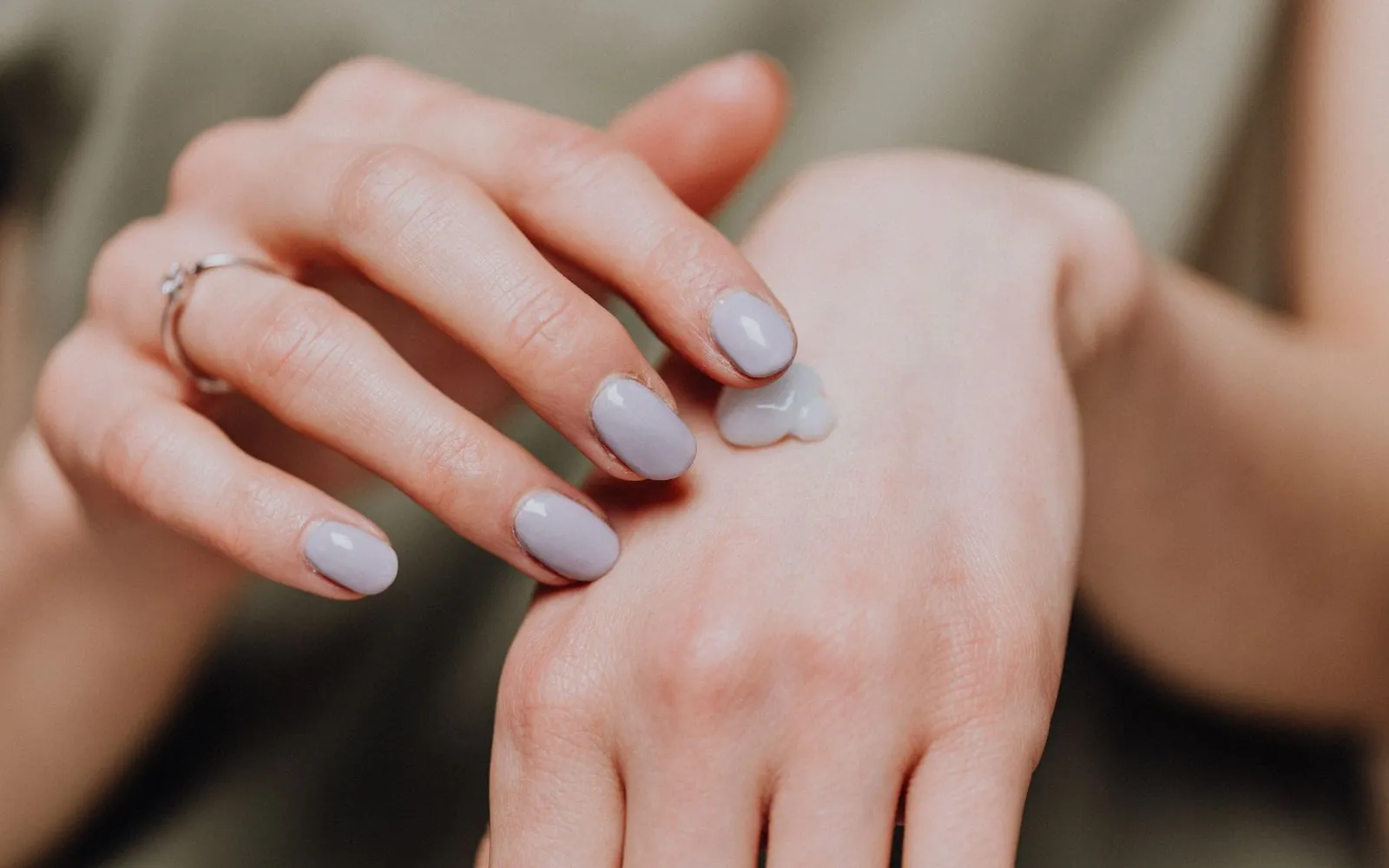
What are the best vitamins for skin?
The ones already on your plate. The NHS says vitamins A, B2, B3, C and E help keep skin healthy. It says most people should get all they need from a varied, balanced diet, although some people may need supplements.
Think of a fuel tank. If it’s low, filling it matters. If it’s full, more fuel won’t take you further.
There’s little proof extra vitamins help skin if you’re not low, and with some, too much does harm.
| Vitamin | Adults 19 to 64 need a day | NHS supplement limit a day |
|---|---|---|
| Vitamin A | 700µg for men, 600µg for women. | No more than 1.5mg from food and supplements together. |
| Vitamin B3 (niacin) | 16.5mg for men, 13.2mg for women. | 17mg or less of nicotinic acid, or 500mg or less of nicotinamide (two forms of B3), is unlikely to harm. |
| Vitamin B5 | No amount set in the UK. | 200mg or less is unlikely to harm. |
| Vitamin C | 40mg. | Less than 1,000mg is unlikely to harm. |
| Vitamin E | 4mg for men, 3mg for women. | 540mg or less is unlikely to harm. |
| Zinc | 9.5mg for men, 7mg for women. | No more than 25mg, unless a doctor advises it. |
Sources: NHS vitamin A; NHS B vitamins; NHS vitamin C; NHS vitamin E; NHS zinc
Check any skin supplement’s label against these limits before you buy. Think you might be low? Our skin blood test guide covers what to ask your GP about.
Is vitamin A good for skin?
Yes, and it’s the cream from the top of the page. That cream is a retinoid, a medicine made from vitamin A.
GPs prescribe retinoid creams such as tretinoin and adapalene for acne. The NHS says they calm swelling and oiliness, and prevent spots. Results can take 12 weeks or longer.
| Vitamin A | As a pill | As a cream (retinoid) |
|---|---|---|
| What the evidence shows | Beta-carotene, which your body turns into vitamin A, had no overall effect on skin ageing. | Tretinoin used for over 6 months can reduce fine wrinkles and freckling. |
| Main risk | More than 1.5mg a day for years may make bones more likely to break when you’re older. | Skin can burn more easily in the sun. It can make eczema worse. |
| If you’re pregnant | Avoid liver and liver products, which are very high in vitamin A. | Some retinoid creams must not be used in pregnancy. |
Sources: Hughes 2013; NHS vitamin A; DermNet
On isotretinoin tablets for acne? The NHS says vitamin A supplements may not mix well with it. Never stop or change a prescribed medicine without your prescriber.
Shop creams often contain retinol, another retinoid. Our retinol for beginners guide covers how to start without sore skin.
Does vitamin B5 help skin?
Maybe for spots, but the proof is thin. In one trial, 48 adults with mild to moderate acne took a B5-based supplement or a dummy pill for 12 weeks. Of the 41 assessed, the B5 group had fewer spots.
A 2023 review of 42 trials found possible benefit from vitamins B5 and D for acne. It warns that many of the studies were small.
The NHS lists no skin job for B5, and sets no daily need. If you try it, keep supplements to 200mg a day or less. That’s a safety limit, not a dose shown to help.
Which vitamins help clear skin?
Zinc, a mineral rather than a vitamin, has been tested for spots. A review found people with acne had lower zinc in their blood. Those given zinc had fewer red, raised spots than those who weren’t.
Zinc can upset your stomach. Too much also cuts the copper your body can absorb, which can lead to anaemia (too few red blood cells) and weaker bones.
A pharmacist can recommend zinc, niacinamide (a form of vitamin B3) or vitamin A tablets for acne. The NHS also lists these steps:
Steps for clearer skin
- Wash your skin twice a day with a gentle cleanser.
- Use skincare and make-up that won’t clog pores. Labels call this non-comedogenic.
- Try a treatment you put on your skin, such as salicylic acid or benzoyl peroxide. A pharmacist can advise.
- Don’t pick, squeeze or scrub spots. Picking can cause scars.
- Don’t take more than 25mg of zinc from supplements a day, unless a doctor advises it.
- Add up vitamin A across every product. Keep food and supplements to no more than 1.5mg a day.
Sources: NHS acne; NHS zinc; NHS vitamin A
Our sulfur for acne guide covers another shop option. Marks left behind? See acne scars.
Do skin supplements slow ageing?
In the one long trial we found, a vitamin pill didn’t. In that trial of 903 adults under 55 in Australia, beta-carotene pills had no overall effect on skin ageing over 4.5 years.
Sunscreen did. Skin aged 24% less in people told to use it every day than in those who used it when they chose.
A skin routine built on the best proof
- 1
Morning
SPF 30 or higher, with at least 4-star UVA protection.
- 2
Midday
Shade and clothing too, 11am to 3pm from March to October.
- 3
Bedtime
A shop retinol, or a retinoid cream if your GP prescribes one for acne. Some retinoids must not be used in pregnancy.
- 4
Meals
A varied diet. A supplement only if you’re low.
Sources: NHS sun safety; DermNet; NHS vitamins
The NHS says don’t rely on sunscreen alone. More on the trials in our sunscreen and ageing guide.
Weighing up collagen instead? Read collagen for skin first.
When to speak to a GP
A GP can prescribe stronger acne treatments than you can buy. See a GP if you have acne and:
- You’ve tried treating it yourself but it’s not getting better.
- You have lots of spots, or the spots are deep, painful or causing scars.
- You have signs of a skin infection, such as hot, swollen and red skin. Redness can be harder to see on brown and black skin.
- It’s affecting your mental health.
Bring the labels of any supplements you take.