Sleeping tablets: do they work?
A little, for a short time. In sleep lab trials, Z-drug sleeping tablets got people to sleep about 22 minutes sooner than a dummy pill. But the NHS says insomnia usually gets better another way.
On this page
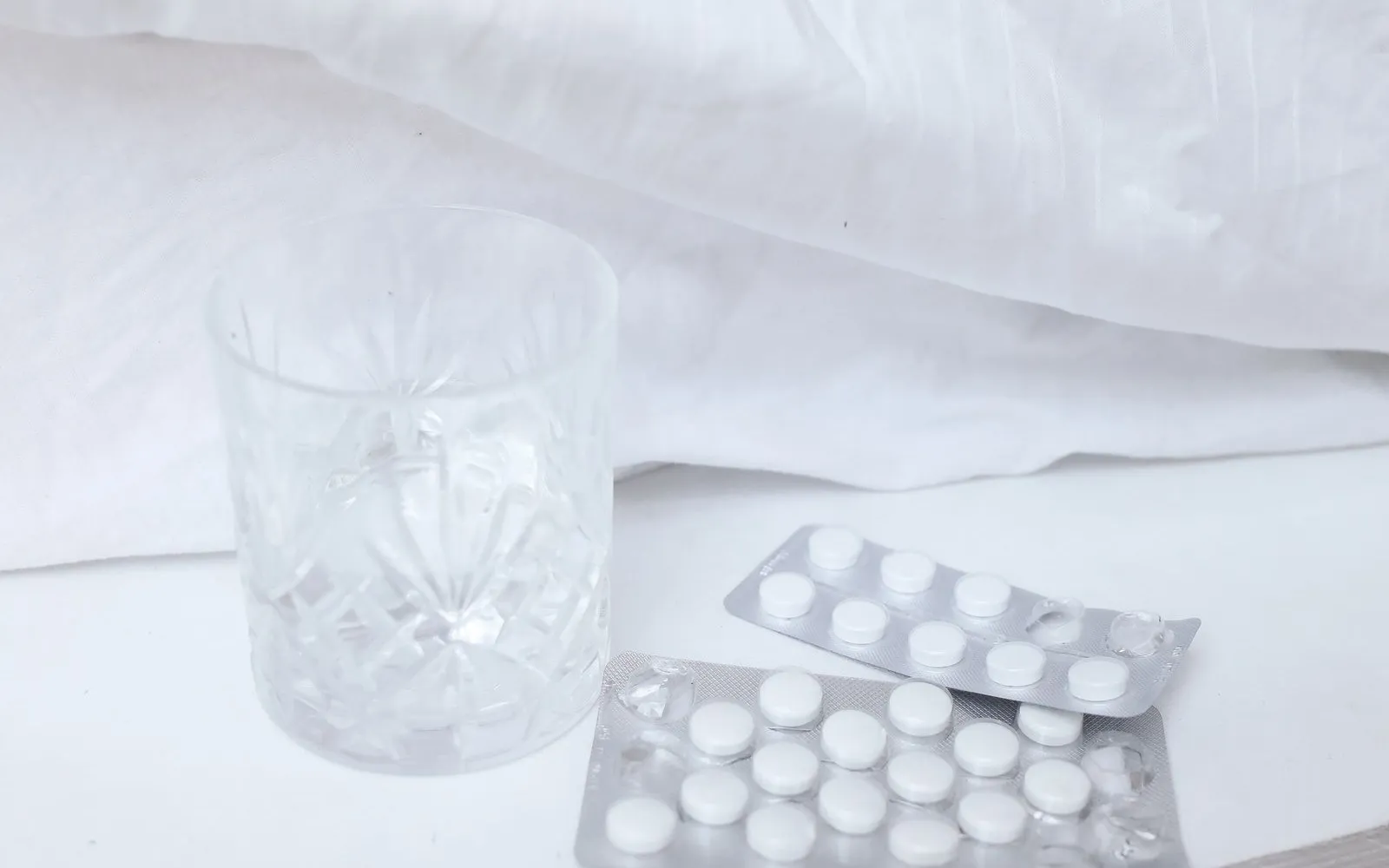
Do sleeping tablets work?
A little, and only for a short time. In sleep lab trials, Z-drugs got people to sleep about 22 minutes sooner than a dummy pill (placebo).
The researchers called that gain small. They said it may be too small to make a real difference for patients.
Pharmacy sleep aids are shorter still. The NHS says they cannot cure insomnia but may help you sleep better for 1 to 2 weeks. They should not be taken for any longer.
| Type | Where you get it | How long |
|---|---|---|
| Antihistamine sleep aids, such as diphenhydramine | Pharmacy, for sleep at age 16 and over | 1 to 2 weeks at most |
| Herbal sleep aids, such as valerian or lavender | Pharmacy | 1 to 2 weeks at most |
| Z-drugs: zopiclone and zolpidem | Prescription | Usually no more than 4 weeks |
| Melatonin | Prescription only in the UK | As your prescriber says |
| Daridorexant, a newer prescription sleeping tablet | Prescription, for insomnia lasting 3 months or more | Checked within 3 months |
Sources: NHS: insomnia; NHS: diphenhydramine; NHS: zopiclone; NHS: melatonin; NICE TA922
Think of a sleeping tablet as a crutch. It can get you through a rough week. It won’t heal what’s keeping you awake, and lean on it too long and you can become dependent on it.
So before you buy anything, the NHS says check with your doctor first.
What is the best over-the-counter sleep aid?
The NHS does not name a best or strongest one. Pharmacy sleep aids come in two kinds: some contain an antihistamine (an allergy medicine that also makes you drowsy), others herbs such as valerian or lavender.
Diphenhydramine is a drowsy antihistamine. The NHS lists it for short-term sleep problems. Check the active ingredient on the box, not the brand name.
| Question | NHS answer |
|---|---|
| How fast does it work? | You feel drowsy around 20 to 30 minutes after taking it. |
| How long does it last? | It works for around 4 to 6 hours. Drowsiness usually wears off around 8 hours after a dose. |
| How long can I take it? | Speak to your doctor if you need it for more than 2 weeks. |
| Who can take it for sleep? | People aged 16 and over. Check with a pharmacist first if you have asthma or lung problems, glaucoma, epilepsy, problems peeing, or are older and get confused. |
| Can I drink alcohol? | No. Alcohol raises the risk of side effects. |
Sources: NHS: diphenhydramine; NHS: common questions; NHS: side effects; NHS: who can take it
Taken too long without a break, you can become dependent on it, and it may stop working as well. Side effects are more likely if you’re over 65.
US sleep doctors suggest not using diphenhydramine or valerian for long-term insomnia in adults. They rate that advice as weak, meaning they’re less certain of it.
Thinking of a herbal one? Read our guides to valerian and lavender capsules first.
What sleeping tablets can a GP prescribe?
GPs now rarely prescribe sleeping pills for insomnia. They do so only if your insomnia is very bad and other treatments haven’t worked. Even then, it’s for a few days, or weeks at the most.
What a GP usually does for insomnia
- 1
Find the cause
Such as stress, noise, pain, medicines or another sleep problem.
- 2
Talk therapy (CBT)
Face to face, or through an online self-help programme.
- 3
Short course of pills
Only if insomnia is very bad and other treatments haven’t worked.
- 4
If insomnia lasts 3 months or more
Daridorexant, for some adults when CBT hasn’t worked or isn’t available. Checked within 3 months.
Sources: NHS: insomnia; NICE TA922
Z-drugs such as zopiclone and zolpidem take around 30 to 60 minutes to work. They’re not usually given for more than 4 weeks. Your body gets used to them and they stop working as well.
Daridorexant is for adults with insomnia on 3 or more nights a week, for at least 3 months, that badly affects their days. NICE backs it only if CBT for insomnia hasn’t worked, isn’t available or isn’t suitable.
Melatonin is prescription only in the UK too. See our melatonin guide for who gets it.
Are sleeping tablets addictive?
They can be. It’s possible to become addicted to zopiclone, so doctors prescribe the lowest dose for a short time. Stopping suddenly can make you feel agitated or anxious.
Common side effects of zopiclone include a dry mouth, a bitter taste and feeling dazed the next day. Rarely, zopiclone causes sleepwalking or doing things while not fully awake, like eating or driving.
Five safety rules for any sleeping tablet
- Don’t drink alcohol with it. With zopiclone, alcohol can cause breathing problems and make it very hard to wake up.
- Don’t drive, ride a bike or use machinery for 12 hours after zopiclone, or 8 hours after zolpidem. With diphenhydramine, wait until you no longer feel drowsy.
- Don’t mix it with another drowsy medicine, such as a drowsy antihistamine or a strong painkiller, unless your doctor says so.
- Don’t stop a prescribed sleeping pill suddenly. Your doctor will lower the dose step by step.
- Tell your doctor first if you have sleep apnoea or breathing problems.
Sources: NHS: zopiclone; NHS: zolpidem; NHS: diphenhydramine
Never stop or change a prescribed medicine without your prescriber. Alcohol has its own effect on sleep too; see alcohol and sleep.
What works better than sleeping tablets?
That other way is changing your sleeping habits. The NHS says insomnia usually gets better like this.
Six NHS sleep habits to try before any tablet
- Go to bed only when you’re sleepy.
- Get up at the same time every day, even after a bad night.
- Relax for at least 1 hour before bed, for example with a bath or a book.
- Keep your bedroom dark and quiet, with blinds, an eye mask or ear plugs if needed.
- Have no alcohol, tea or coffee for at least 6 hours before bed.
- Don’t nap during the day.
Source: NHS: insomnia
Still awake after that? Ask your GP about talk therapy for sleep (CBT for insomnia). NICE calls it the standard first treatment for long-term insomnia.
See how CBT for insomnia works, sleep hygiene and how to fall asleep faster.
When to speak to a GP
Book an appointment if:
- Changing your sleeping habits hasn’t helped.
- You’ve had trouble sleeping for months.
- Poor sleep is affecting your daily life in a way that makes it hard to cope.
- You snore or your breathing stops and starts in your sleep. This can be sleep apnoea, and a GP may refer you to a sleep clinic.
- You need a pharmacy sleep aid for more than 2 weeks.
On zopiclone? Call 111 if you’ve taken more than your prescribed dose, think you have serious side effects or have thoughts of harming yourself. Call 999 if your throat or tongue swells or you find it hard to breathe.
On diphenhydramine? Call 111 straight away for a fast or uneven heartbeat, numbness or pins and needles, or feeling very restless or confused. Call 999 for a fit (seizure), or if your lips, mouth, throat or tongue suddenly swell (a serious allergic reaction).