Does zinc carnosine help your gut lining?
Possibly, going by small trials. It’s an approved stomach ulcer medicine in Japan. But the usual 150 mg dose gives more zinc than the NHS says to take. One label line shows how much.
On this page
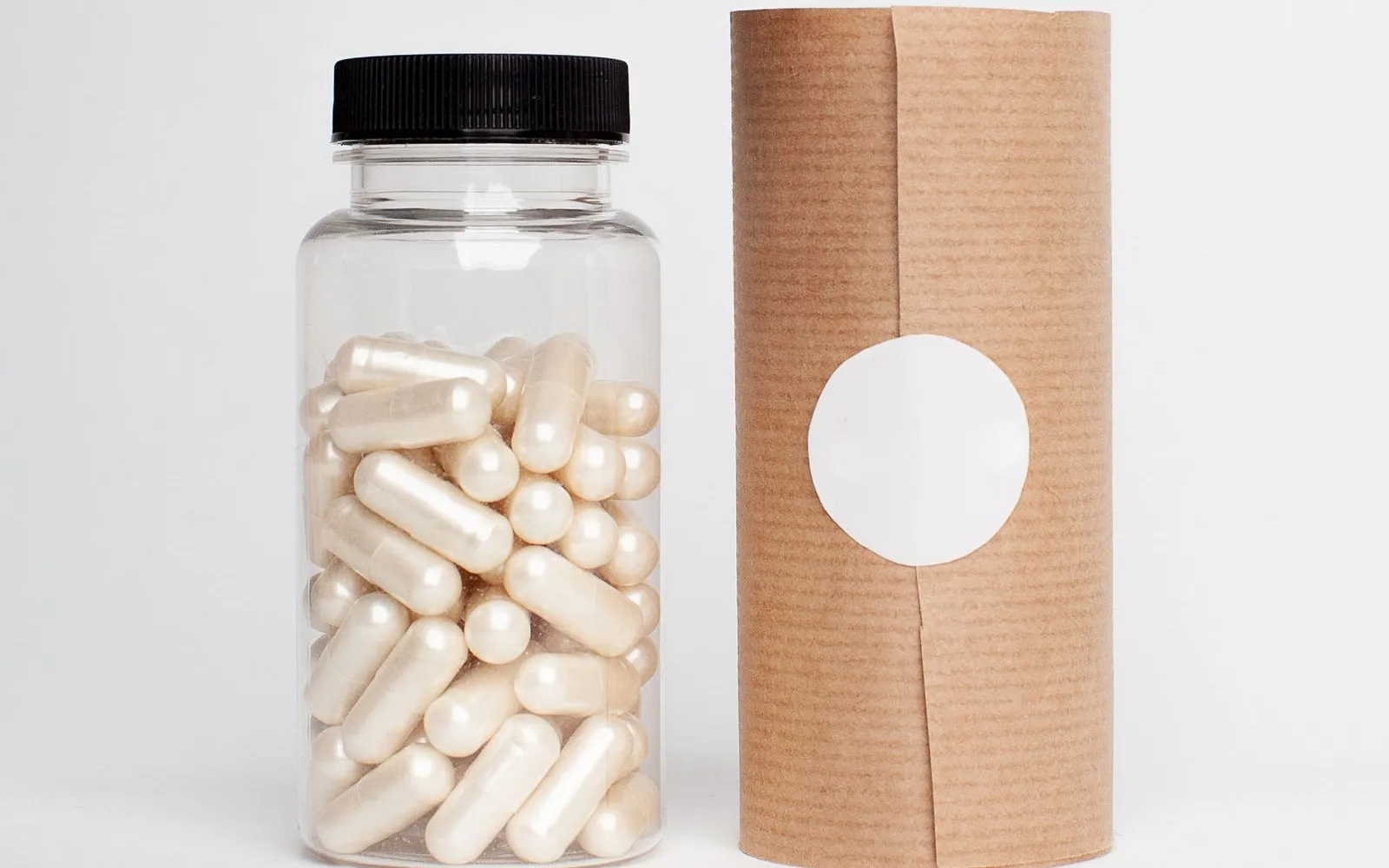
What is zinc carnosine and does it work?
It’s zinc joined to carnosine, a substance made from two protein building blocks, in one compound. In Japan it’s called polaprezinc and approved for stomach ulcers. Here it’s sold as a health food supplement.
Does it work? Small trials suggest it may help protect the lining of the stomach and gut. Most were done in Japan or China, and some were small or short.
| Use | Best evidence | What it found |
|---|---|---|
| Stomach ulcers | Japanese trial, 258 people, 8 weeks | Healed in 60.4% on 150 mg a day, against 46.2% on another lining drug. |
| H. pylori stomach bug | 3 trials, 396 people, added to antibiotics | Cleared in 80.4%, against 67.0% on antibiotics alone. Very low certainty. |
| Gut lining on a painkiller | 10 healthy people, 5 days | No clear rise in leakiness. Leakiness was measured, not symptoms. |
| Taste problems | 109 people, 12 weeks | Taste improved at 68 mg of zinc a day, far above the NHS limit. |
Sources: Hewlings 2020; Mahmoud 2022; Mahmood 2007; Sakagami 2009
Tummy pain that keeps coming back, or indigestion that treatment doesn’t fix? See a GP before you buy anything. The cause decides the treatment.
Does zinc carnosine help stomach ulcers and H. pylori?
The main causes of stomach ulcers are H. pylori bacteria and regular anti-inflammatory painkillers (NSAIDs), such as ibuprofen.
In a Japanese trial of 258 people with ulcers, 60.4% on 150 mg a day had healed on a camera check at 8 weeks. On cetraxate, another drug that protects the lining, 46.2% had. That result comes from a review paid for by the firm behind one zinc carnosine brand.
For H. pylori, it was added to antibiotics. Across 3 trials, the bug cleared in 80.4% against 67.0% on antibiotics alone. The reviewers rated that evidence very low certainty, and all 3 trials were in Japan or China.
What the NHS does for a suspected stomach ulcer
- 1
See a GP
For indigestion that treatment doesn’t fix, or tummy pain that keeps coming back.
- 2
Tests
Maybe a breath, poo or blood test, or a camera down into the stomach.
- 3
Treatment
Antibiotics for H. pylori, or medicines that cut stomach acid.
- 4
How long
Usually 1 week to 2 months. You may need tests after to check it worked.
Source: NHS: stomach ulcer
Zinc carnosine was an extra in these trials, never a swap for antibiotics. Ask your GP before you add it to any treatment you’re given.
Can zinc carnosine fix a leaky gut?
A leaky gut means the gut wall lets more through than usual. Researchers measure it with a sugar test and call it gut permeability.
In a 2007 London trial, 10 healthy people took indomethacin, an anti-inflammatory painkiller, for 5 days. On a dummy pill, their gut became about three times as leaky. With 37.5 mg of zinc carnosine twice a day, there was no clear rise.
That’s a small, short test in healthy people. It doesn’t show zinc carnosine eases bloating, IBS or other gut symptoms, and the authors called for more studies.
Bloated or sore most days? Read about slippery elm for reflux and IBS and which gut tests help, then talk to your GP.
How much zinc is in zinc carnosine?
About 22% of zinc carnosine is zinc. So a 75 mg dose gives about 17 mg of zinc, and 150 mg a day gives about 34 mg.
That label line is the zinc per dose. The NHS says don’t take more than 25 mg of zinc supplements a day unless a doctor advises it.
- 25 mg or belowWithin the NHS limit for zinc supplements.
- Above 25 mgAbove the NHS limit, unless a doctor advises it.
Sources: NHS; Hewlings 2020
Count the zinc in any multivitamin too. High doses of zinc cut the copper your body can absorb, which can lead to anaemia (too few red blood cells) and weaker bones.
One small 8-week study of 19 people taking 150 mg a day saw copper levels fall. More on how much zinc a day and copper.
Is zinc carnosine safe to take?
In the largest H. pylori trial, of 303 people, there were no serious side effects. Side effects were more common at 150 mg twice a day: 5.1%, against 2.8% at 75 mg twice a day. The trial was paid for by a zinc carnosine maker.
In the taste trial, side effects included lower iron levels and some stomach upsets, none serious. Zinc may not mix well with the antibiotic doxycycline.
Before you take zinc carnosine
- See a GP first about tummy pain that keeps coming back or indigestion that treatment doesn’t fix.
- Check the zinc per dose. If only zinc carnosine is listed, about 22% of it is zinc.
- Keep zinc supplements to 25 mg a day or less, unless a doctor advises more.
- Count the zinc in any multivitamin too.
- Taking doxycycline? Tell your doctor before you add zinc.
- Never stop or change a prescribed medicine without your prescriber.
Sources: NHS: zinc; NHS: stomach ulcer; NHS: doxycycline; Hewlings 2020
Wondering if you’re low in zinc to begin with? See the zinc blood test.
When to speak to a GP
A stomach ulcer that isn’t treated can lead to serious problems, such as bleeding. Speak to a GP if:
- You have indigestion that doesn’t go away with treatment, or tummy pain that keeps coming back.
- You have ulcer symptoms and your tummy pain is getting worse or does not go away, or you’ve lost weight without trying. Ask for an urgent appointment or call 111.
- You have ulcer symptoms and you’ve lost your appetite, or feel full after very little food. Ask for an urgent appointment or call 111.
- You have ulcer symptoms and swallowing hurts or is hard, you keep being sick, you feel a lump in your tummy, or you’re tired all the time. Ask for an urgent appointment or call 111.
- You take ibuprofen or aspirin that wasn’t prescribed and keep getting indigestion. Speak to a pharmacist or GP.
Call 999 or go to A&E if you’re vomiting bright red blood, or your vomit looks like ground coffee. Do the same for blood in your poo, or poo that is black, sticky and very smelly.
The same goes for severe tummy pain, a tummy that hurts to touch, or chest pain that started suddenly. More on stomach triggers: coffee and acid reflux.