Do natural remedies for ADHD work?
Habits help. Supplements mostly don’t. NICE backs a balanced diet and regular exercise for everyone with ADHD. Omega-3 is the surprise: a review of 37 trials in children found no drop in parent-rated symptoms.
On this page
Which natural remedies for ADHD help?
The ones that cost nothing. NICE tells doctors to stress a balanced diet, good nutrition and regular exercise for children, teens and adults with ADHD.
The NHS adds enough sleep and regular mealtimes. Exercise also helps ease anxiety and low mood, which can make ADHD worse.
| Remedy | What the evidence says |
|---|---|
| Regular exercise | NICE and the NHS back it for all ages. |
| Balanced diet and regular meals | NICE and the NHS back it for all ages. |
| Sleep routine | The NHS says a regular bedtime and a dark room can help. |
| Omega-3 (fish oil) tablets | No effect on parent-rated symptoms in a review of 37 trials in children. |
| Cutting out food colours | NICE: not a general treatment for children. |
| Nootropics | None is among the medicines NICE recommends for ADHD. |
Start with the top three. They’re free, and the NHS says not everyone needs or wants medicine.
Does omega-3 help ADHD?
Not for symptoms, in children. That surprise comes from a 2023 Cochrane review, the most careful kind of study summary. It pooled 37 trials with more than 2,374 children and teens.
| Finding | Trials | How sure |
|---|---|---|
| No change in parent-rated ADHD symptoms over weeks to months | 16 trials, 1,166 children | High certainty |
| No change in focus or in restlessness | 10 to 12 trials | High certainty |
| May be more likely to improve | 3 trials, 191 children | Low certainty |
| Side effects about the same as a dummy pill | 8 trials, 591 children | Moderate certainty |
Source: Cochrane 2023
So a few small trials said maybe, and the bigger body of trials said no. NICE says don’t advise or offer fatty acid supplements to treat ADHD in children and young people.
Adults have less research. One review of 24 trials in adults and children found omega-3 did not improve thinking tests in people with ADHD.
Want omega-3 anyway? Eat it.
The NHS says to have at least 1 portion of oily fish a week, about 140g. See omega-3 foods and omega-3 supplements.
Do food colours or sugar make ADHD worse?
For some children, some foods might. NICE says not to cut out colourings and additives as a general treatment. But it does ask doctors whether any food or drink seems to change a child’s behaviour.
Six colours must carry a label saying they may have an adverse effect on activity and attention in children. In other words, a bad effect. They are E102, E104, E110, E122, E124 and E129.
If a food seems to change your child’s behaviour
- 1
Keep a diary
Write down food, drinks and behaviour each day.
- 2
Look for a link
Share it with your doctor and your child’s school.
- 3
See a dietitian
Offered if the diary shows a clear link.
- 4
Cut foods safely
Only with the dietitian and specialist.
Thinking of a strict “few food” diet? NICE says there’s no evidence on its long-term effects or harms, and only limited evidence of short-term benefit.
For sugar, the NHS advice is about sleep: try to avoid it close to bedtime.
ADHD remedies to start this week
Six NHS habits to try this week
- Pick a physical activity you enjoy and put it in your week.
- Go to bed at the same time each night, in a quiet, dark room.
- Avoid screens, caffeine, sugar and alcohol close to bedtime.
- Eat regular meals, built on a healthy, balanced diet.
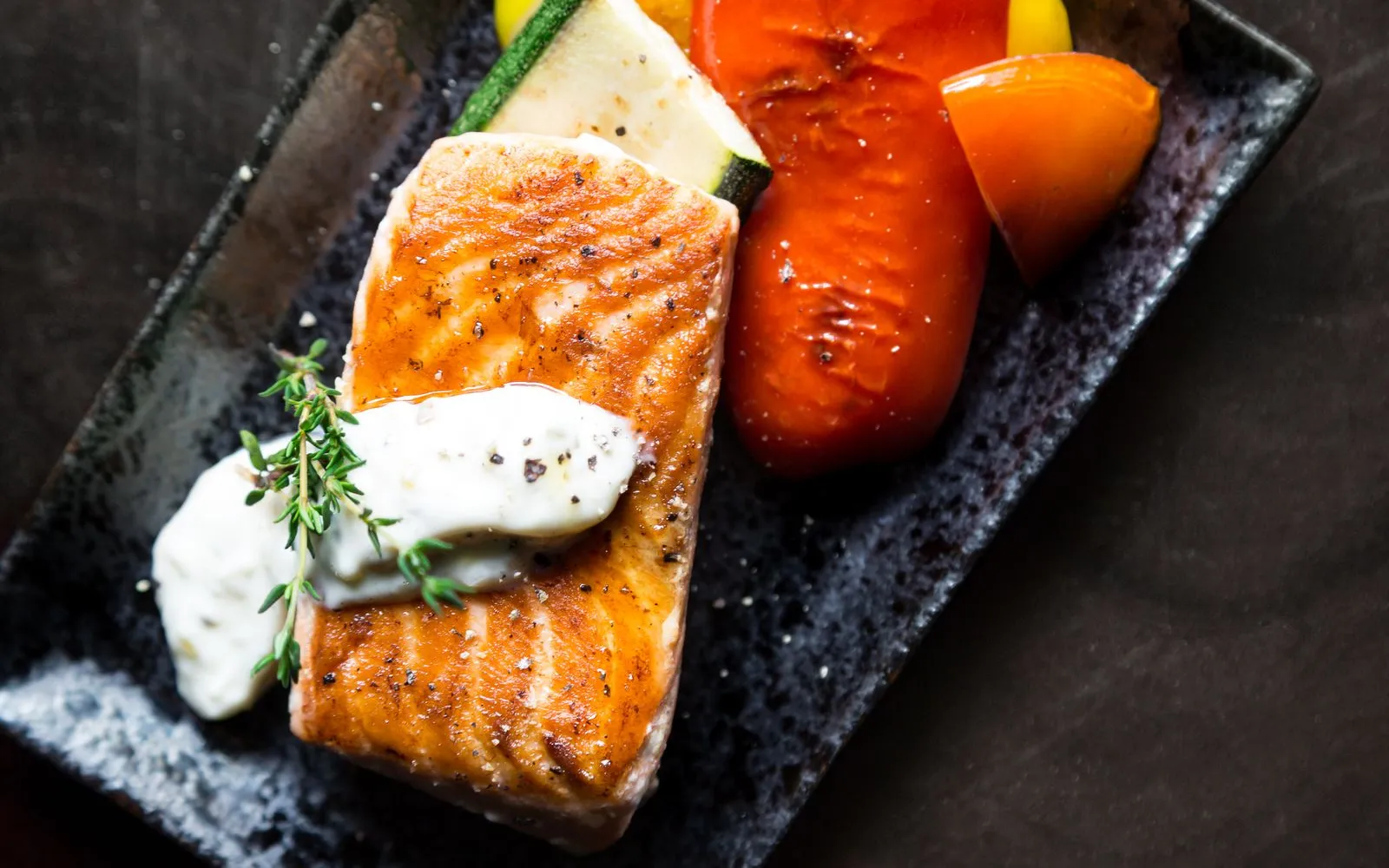
- Have at least 1 portion of oily fish a week, such as salmon or sardines. Girls should have no more than 2 portions of oily fish a week. So should anyone pregnant, breastfeeding or who may have a baby one day.
- Talk to friends and family about your ADHD.
Sources: NHS: ADHD in adults; NHS: fish
Sleep is often the hardest one. See ADHD and sleep for more.
Taking fish liver oil? The NHS says it’s high in vitamin A, so keep vitamin A from food and supplements to an average of 1.5mg a day or less. Skip it if you eat liver once a week.
Do nootropics work for ADHD?
No nootropic is on NICE’s list. A nootropic is a pill sold to sharpen your thinking.
The ADHD medicines NICE recommends are methylphenidate, lisdexamfetamine, dexamfetamine, atomoxetine and guanfacine.
Rather not take medicine? For adults, NICE suggests talking support focused on ADHD, with regular follow-up. It may include CBT, a talking therapy that helps you change habits of thinking and acting.
For children under 5, NICE says the first treatment should be a group parent-training programme focused on ADHD.
Ask your GP or specialist about it. Never stop or change a prescribed medicine without your prescriber. For one popular focus mushroom, see lion’s mane.
When to speak to a GP
Not sure it’s ADHD? Start with ADHD symptoms in adults. Book an appointment if:
- Your symptoms are affecting your studies, work or relationships. The NHS says see a GP to find out what support is available.
- A food diary shows a clear link between a food and your child’s behaviour. NICE says a dietitian referral should be offered.
- Your medicine isn’t working, or you can’t take it. For adults, NICE says to consider treatment without medicine.
- You were diagnosed as a child and need help with your symptoms now. Ask your GP about a referral.
People with ADHD are at higher risk of suicide. If you feel you want to end your life, call 111 or Samaritans on 116 123, or text SHOUT to 85258. If you’ve seriously harmed yourself or feel you may be about to, call 999 or go to A&E.