What are the best foods for menopause?
Three calcium servings a day, plus fish and fibre. That helps your bones and heart. And one food may ease hot flushes for some women, but it takes 2 to 3 months to tell.
On this page
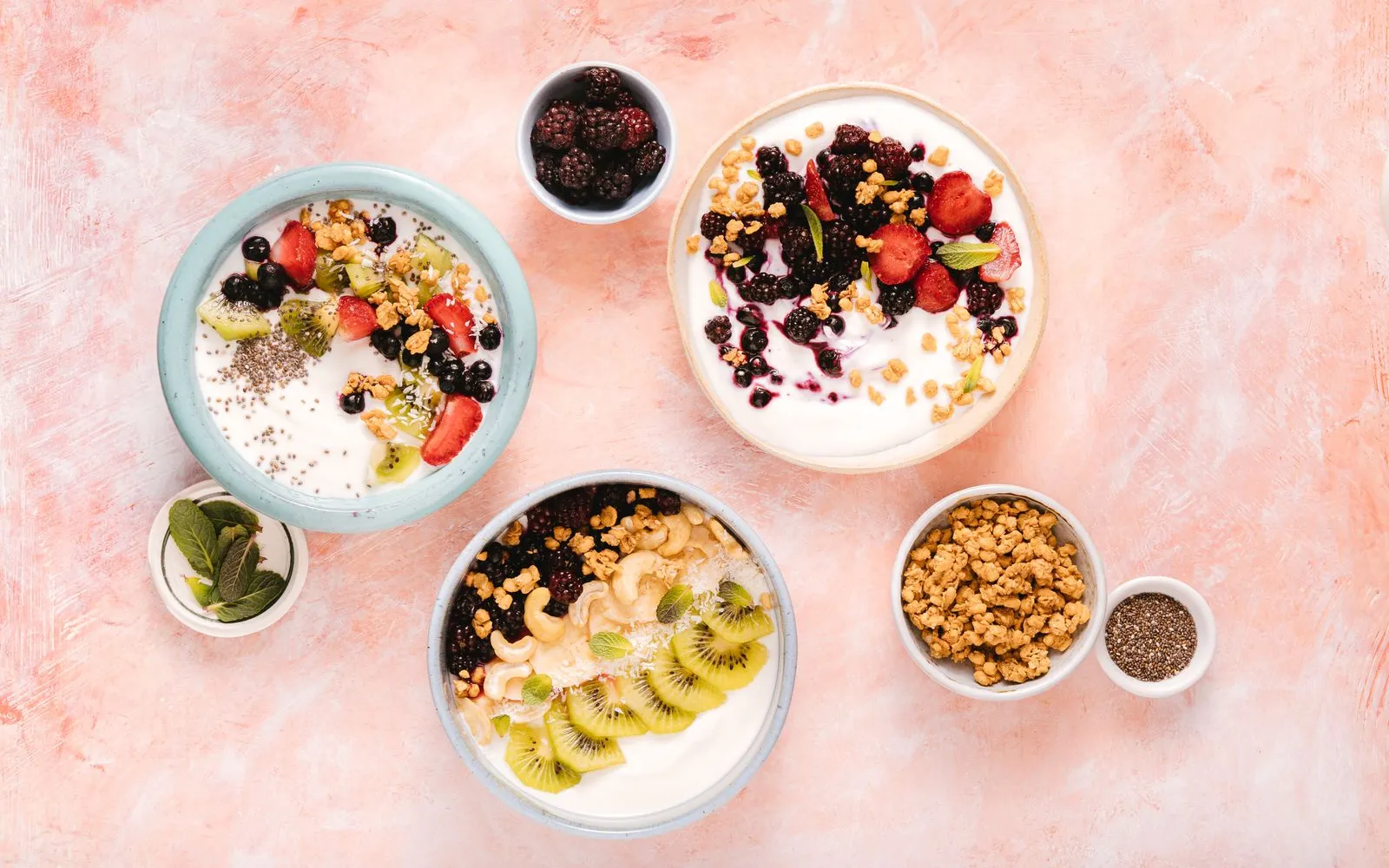
What are the best foods for menopause?
There’s no single best food. The best menopause diet is a pattern, built around two things menopause changes: your bones and your heart.
Bone loss speeds up in perimenopause and menopause. As oestrogen falls, so does some of its protection against heart disease, says Women’s Health Concern (WHC), part of the British Menopause Society.
| Food | How much | Why it helps |
|---|---|---|
| Milk, yoghurt, cheese, sardines with bones | 3 servings a day | Calcium for your bones |
| Oily fish, such as salmon or mackerel | 1 portion (140g) a week | Omega 3 (healthy fats) for your heart |
| Wholegrains, beans, nuts and seeds | 30g of fibre a day | Linked to lower blood pressure, and oats can lower cholesterol |
| Fruit and vegetables, lots of colours | 5 a day | Antioxidants (substances that protect your cells), linked to lower heart disease risk |
| Fish, meat, chicken, eggs, beans | A mix across the week | Protein and iron |
| Soya drink, tofu, edamame | 2 servings a day, if you want to try it and haven’t had breast cancer | May ease hot flushes in some women |
Pick the row you eat least of now. Add one serving of it a day this week.
Can food help hot flushes?
Maybe. The food in the answer above is soya.
Soya contains plant oestrogens (plant chemicals that act like weak oestrogen), and the evidence is mixed. Some women report milder hot flushes, while others notice no change.
The British Dietetic Association (BDA) says to try it every day for at least two to three months to see.
| Soya food | One serving |
|---|---|
| Soya drink | 250ml glass |
| Soya mince | 100g |
| Tofu | 100g |
| Edamame beans | 100g |
Source: WHC
These are bigger than normal portions. If you’ve had breast cancer, WHC says to avoid soya in these amounts.
Your overall diet may help too. The BDA says more wholegrains, fruit and veg, and less fat, are moderately effective for hot flushes. The effects were bigger for women who also lost weight.
The NHS lists these triggers: spicy food, caffeine, hot drinks, smoking and alcohol. Cut one at a time and watch what changes.
See our hot flushes guide.
What to eat for your bones and heart
For bones, WHC advises 700 to 1,200mg of calcium a day at menopause, depending on your risk of osteoporosis. That’s when bones become weak and break easily. It suggests three servings a day, such as milk, yoghurt or cheese.
No dairy? Choose plant drinks with added calcium.
Skip spinach as a calcium source. WHC leaves it off the list. Our bone health diet guide lists the calcium in everyday foods.
For your heart, cut the fats in butter, fatty meat, cakes and biscuits (saturated fats). Swap them for the fats in olive oil, nuts and seeds (unsaturated fats).
WHC says this improves blood cholesterol.
| Instead of | Try |
|---|---|
| Butter or lard | Olive or rapeseed oil |
| Cakes and biscuits as snacks | Fruit, or a handful of unsalted nuts |
| White bread | Wholemeal or seeded bread |
| White rice | Brown rice |
| Sugary cereal | Oats or a bran cereal |
| Ready meals and processed meat | Home cooking, seasoned with herbs and spices |
Source: WHC
Keep salt to no more than 6g a day, about a teaspoon. Cholesterol tends to rise at menopause, so the BDA suggests a check every couple of years. See cholesterol after menopause.
Do I need supplements or a special menopause diet?
No. WHC says no specific supplements are recommended for menopause, and they can’t replace hormone replacement therapy (HRT) or a balanced diet.
Adults should consider 10 micrograms of vitamin D a day in autumn and winter, when we don’t make enough from sunlight. Consider it all year if you’re rarely outdoors. The BDA says the same for women over 65.
Black cohosh and St John’s wort can sometimes interact with medicines, including tamoxifen, a breast cancer medicine. Talk to a doctor first.
See what the trials found in menopause supplements.
You don’t need a low-carb diet. WHC says carbs causing weight gain is a common misconception, and suggests a starchy food at every meal.
On HRT? The BDA says food still matters either way. Never stop or change a prescribed medicine without your prescriber.
Your menopause food list for this week
Your menopause food list for this week
- Have three calcium servings a day, such as milk, yoghurt and cheese, or plant drinks with added calcium.
- Eat one portion (140g) of oily fish, such as salmon, mackerel or herring, this week.
- Swap white bread and rice for wholemeal and brown, and work up to 30g of fibre a day.
- Eat five portions of fruit and vegetables a day, in as many colours as you can.
- Want to try soya for hot flushes? Have two servings a day for 2 to 3 months, unless you’ve had breast cancer.
- Consider 10 micrograms of vitamin D a day in autumn and winter.
Food works best with exercise. The BDA suggests muscle-building exercise two to three times a week.
Want a no-HRT plan? See natural alternatives to HRT.
When to speak to a GP
Food can help, but some changes need a doctor. Contact your GP if:
- You think you have menopause symptoms and want to know your options.
- You have a fast heartbeat (palpitations).
- You still have periods, but you’re bleeding more, not less, than before.
- You’ve had no period for 12 months or more and have any vaginal bleeding, even once.
- You take regular medicines and want to try a supplement. The BDA says to get advice first from a doctor, dietitian or pharmacist.
Haven’t had your cholesterol checked in a couple of years? Ask your GP or a pharmacist.