How do I do a boxing workout at home?
Start with 8 one-minute rounds of shadowboxing. You don’t need a bag or gloves. But a good punch doesn’t start in your arm. It starts lower down, which makes boxing a full-body workout.
On this page
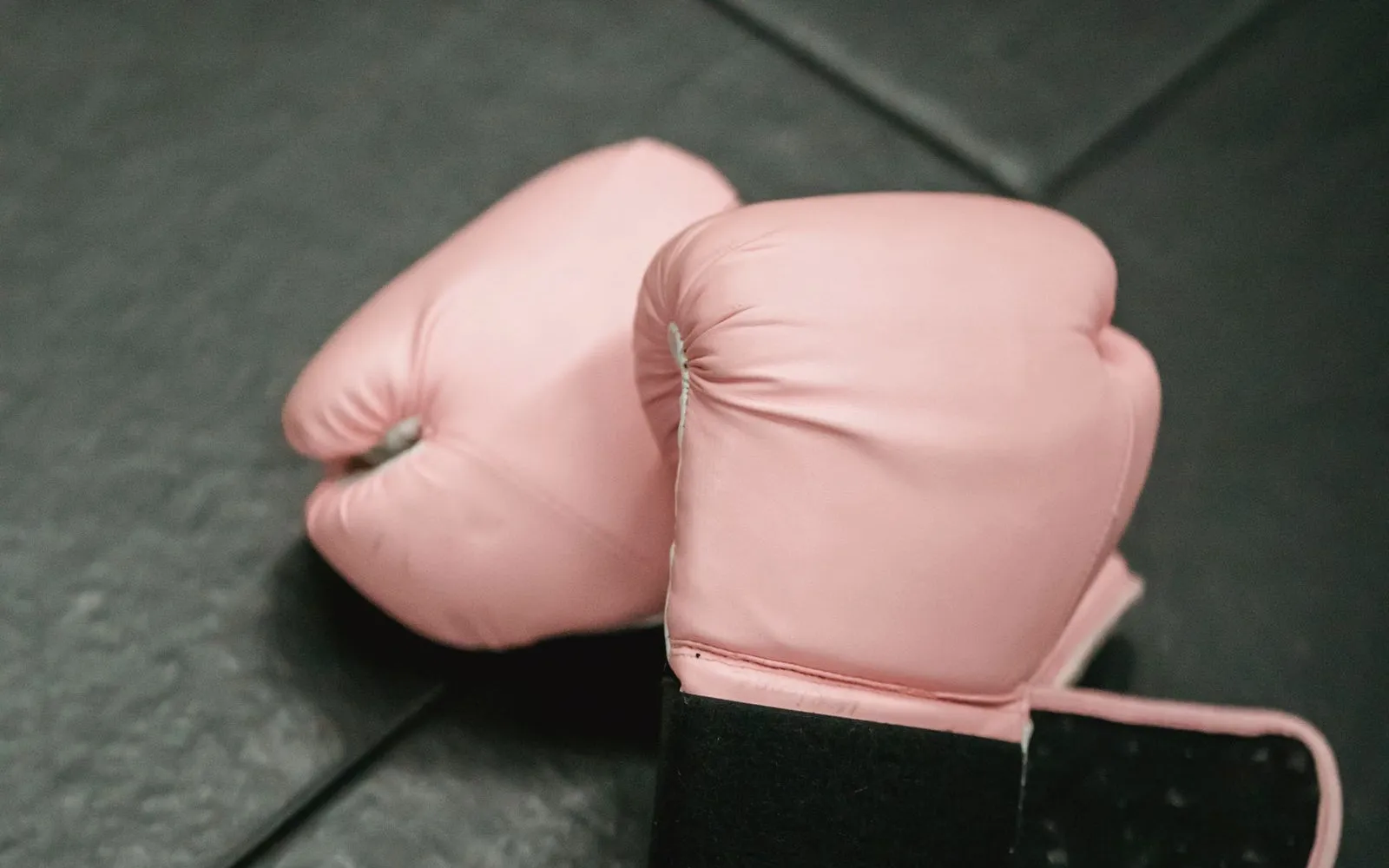
How do I do a boxing workout at home?
Shadowbox. That means throwing punches at the air. You need a bit of floor space and, if you have one, a mirror.
Warm up first. The NHS warm-up should take at least 6 minutes. Then work in rounds.
Your first boxing workout: 8 one-minute rounds
- 1
Warm up
March on the spot for 3 minutes. Then do heel digs with a punch, and knee lifts. At least 6 minutes in all.
- 2
Punch for 1 minute
Jab, cross, jab, cross. Hard enough that you can only say a few words.
- 3
March for 1 minute
Keep moving while you get your breath back. Then punch again, 8 rounds in all.
- 4
Cool down
Walk it out slowly, then stretch.
Sources: NHS: how to warm up; Areeudomwong 2026; NHS: physical activity guidelines
The rounds come from a home trial. Young adults who sat a lot did eight 60-second rounds of Thai boxing, with 60 seconds of active rest between.
After 6 weeks, their fitness rose more than in a group given health advice, strength work and moderate exercise. Their resting blood pressure fell more too, and their body fat dropped.
Clear a space and try round one today. For more on hard and easy rounds, see HIIT at home.
Boxing exercises at home: stance, jab, cross and hook
Remember the punch that starts lower down? It starts in your back foot.
Aaron Swenson, a USA Boxing certified coach, says the jab’s power comes from pushing off your back foot. That foot pivots as your arm reaches out.
Lisa Fougere, a kickboxing black belt, calls boxing a full-body workout. It uses the balance of your top half and bottom half together.
| Move | How to do it | Coach tip |
|---|---|---|
| Stance | Feet staggered, about shoulder-width apart, strong leg back, knees soft. | Elbows in, fists by your face, chin tucked slightly. |
| Jab | Push off your back foot and reach out with your front hand. | Breathe out as you punch. Keep your back hand by your face. |
| Cross | Turn on the ball of your back foot and throw your back hand straight. | Turn your shoulders and use your core. |
| Lead hook | Turn your feet and body, and swing your front arm round in a half circle. | Keep your back hand by your face. |
Sources: Aaron Swenson, FightCamp; Lisa Fougere, Experience Life
Go slow at first. Fougere says to cut your speed and power and focus on good form, with control rather than “flailing your arms around”.
Move your feet as well. Swenson’s rule is that when one foot moves, the other moves the same distance. Check both in the mirror.
Does boxing at home count as exercise?
Yes, if you work hard enough. The NHS lists martial arts and skipping as vigorous activity. It doesn’t name boxing, so use the talk test to check.
| How it feels | NHS level | Each week |
|---|---|---|
| You can talk, but not sing. | Moderate | At least 150 minutes. |
| Only a few words, then you pause for breath. | Vigorous | Or at least 75 minutes. |
| Moves for legs, hips, back, tummy, chest, shoulders and arms. | Strength | Plus at least 2 days. |
A heavy bag can push you hard. In a small study of 29 young adults, ten 3-minute rounds on a bag averaged a heart rate of 156. Those 30 minutes used 241 calories on average.
For mood, the evidence is early. A 2022 review found non-contact boxing, mostly in group classes, a promising way to help mental health. It said proper trials are still needed.
So in your hard rounds, aim to manage only a few words.
Do I need a punch bag or gloves?
No. Shadowboxing needs only space. Swenson says you can’t learn to shadowbox without a mirror, because it shows you what to fix.
Fougere has people practise each move on its own, on both sides, before putting punches together.
For more variety, try her circuit. It’s 60 seconds of jab, cross and hook, then 60 seconds of skipping. Next come 60 seconds of punches with your other leg forward, then 30 seconds of push-ups.
She has you do it 3 times, with 30 seconds of rest between.
No room to skip? Swap in moves with no jumping from cardio at home.
How often should I do boxing training at home?
Build up to 75 minutes of vigorous activity a week, or 150 minutes of moderate. The NHS suggests you spread it over 4 to 5 days, or every day.
Your boxing week at home
- Warm up for at least 6 minutes before every session.
- Build up to 75 minutes of vigorous activity a week, or 150 minutes of moderate, over 4 to 5 days.
- Use the talk test: in a hard round you can only say a few words.
- Add strength exercises, like push-ups, on at least 2 days a week.
- Learn each punch slowly in a mirror before you speed up.
- Stop at once if you feel any pain or become unwell.
Sources: NHS: how to warm up; NHS: physical activity guidelines; Lisa Fougere, Experience Life
Boxing doesn’t replace strength training at home. Short on time? Try exercise snacks.
When to speak to a GP
Speak to a GP before you start if:
- You have not exercised for some time, or you have medical conditions or concerns.
- You have a health problem, an injury, any symptoms or feel unwell, or had a recent heart attack or operation.
- You’re pregnant. The NHS does not recommend starting a new vigorous activity in pregnancy. Avoid anything with a risk of falling or bumping your tummy, and stop if you feel uncomfortable, too hot or unwell.
- You recently gave birth. The NHS says you can do more intense activity after your 6- to 8-week postnatal check, if you feel able to. It does not recommend vigorous activity if you were not active before pregnancy.
- You have chest pain that comes and goes, or that goes away quickly but you’re still worried.
Stop at once if you feel any pain or become unwell, and call 111 if symptoms worry you or don’t go away.
Call 999 for sudden chest pain or discomfort that doesn’t go away. It can feel like squeezing, pressure, burning or indigestion.
Call too for pain spreading to either arm, or your neck, jaw, stomach or back. Also call for chest pain with sweating, feeling sick, light-headed or short of breath.
Before you start, see warm-up stretches before a workout.