What is the best brain food?
Oily fish, nuts, olive oil, fruit and veg. But no single food is proven to boost memory. The best trial results come from one whole way of eating, not a superfood.
On this page
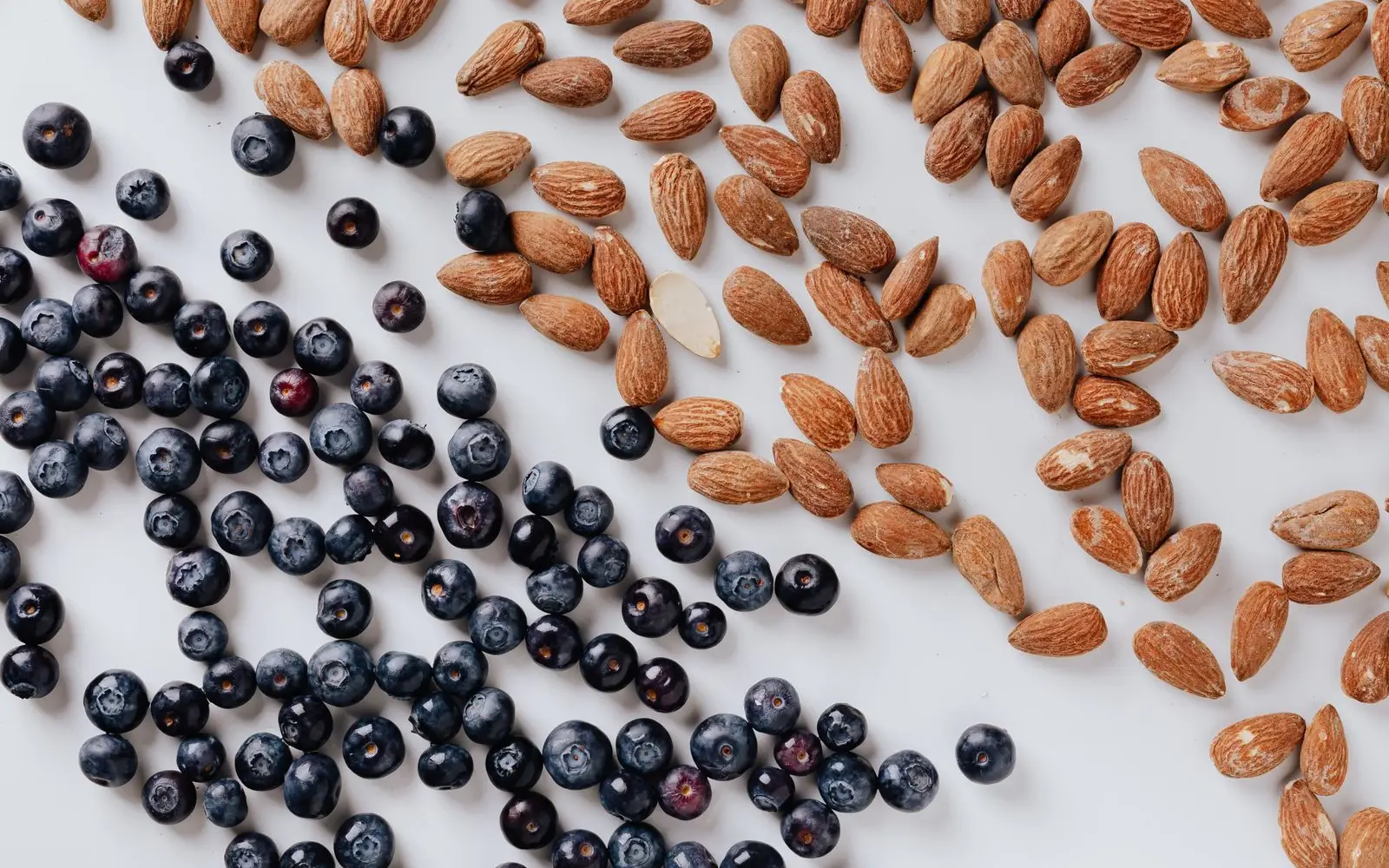
What is the best brain food?
The foods that are good for your heart. The NHS says experts agree that what’s good for your heart is also good for your brain.
That means oily fish, nuts, olive oil, wholegrains, fruit and veg. A diet high in saturated fat, salt and sugar, and low in fibre, can raise the risk of high blood pressure and type 2 diabetes. Both are linked to a higher risk of dementia.
| Food | What it gives you | What the evidence says |
|---|---|---|
| Oily fish, like salmon, sardines or mackerel | DHA, a type of omega-3 fat | DHA helps keep normal brain function, at 250 mg a day. |
| Nuts | Fibre and fat | Older adults at high heart risk having 30 g a day in a Mediterranean diet did better on memory tests than people given low-fat advice. |
| Extra virgin olive oil | Unsaturated fat | In the same trial, it went with better attention and thinking scores. |
| Milk, eggs, sea fish and shellfish | Iodine | Iodine helps normal thinking. Adults need 140 micrograms a day. |
| Meat | Iron and zinc | Both help normal thinking. Keep red and processed meat to 70 g a day. |
| Wholegrain bread, rice, pasta and potatoes | Carbohydrates (carbs) | Carbs help keep normal brain function, at 130 g a day from all foods. |
Sources: GB health claims; PREDIMED trial; NHS: iodine; NHS: balanced diet
Think of a phone battery. A low battery slows the phone down. But no one has shown that charging past full makes it faster.
The same goes for these foods. Eat enough of each, but don’t expect extra to sharpen a healthy memory.
Do any foods improve memory?
Not on their own. The best results so far come from a whole way of eating. That way of eating is the Mediterranean diet.
| Trial | Who and what | What happened |
|---|---|---|
| Mediterranean diet, Spain | 447 people, average age 67, at high risk of heart disease. A Mediterranean diet with extra olive oil or nuts, for about 4 years. | Both groups beat low-fat advice on some memory or thinking tests. Scores fell in the low-fat group. |
| MIND diet | 604 people who were overweight, with a poorer diet and dementia in the family. 3 years, with a small calorie cut. | No difference from a comparison diet that also cut calories. Both groups improved. |
| Cocoa extract | 3,562 people, 500 mg of cocoa flavanols (natural plant substances) a day, for 3 years. | No memory gain overall. Memory improved in people whose usual diet was poorer or low in flavanols. |
Sources: PREDIMED trial; MIND trial; COSMOS-Web
So any gains were small, and all three trials were in older adults. The pattern of eating seems to matter more than any one food.
Flavanols are found in certain fruits and vegetables. The trial used an extract, not chocolate.
Want to try the Mediterranean way? Start with the Mediterranean diet food list.
Is oily fish good for your brain?
Yes, as part of a balanced diet. The NHS says to eat at least 2 portions of fish a week, including 1 of oily fish. A portion is around 140 g.
Oily fish includes salmon, sardines, mackerel, trout, herring, pilchards and sprats. Fresh and canned tuna don’t count as oily fish.
Fish oil capsules are a different story. A Cochrane review of 3 trials in 3,536 older adults found no benefit for thinking in people without memory problems.
| Who | NHS limit |
|---|---|
| Girls, and women who haven’t been through the menopause | No more than 2 portions of oily fish a week. This includes when pregnant, breastfeeding or trying for a baby. |
| Pregnant, or trying for a baby | No shark, swordfish or marlin. No more than 4 cans of tuna or 2 tuna steaks a week. |
| Pregnant, or trying for a baby | Avoid fish liver oil supplements, such as cod liver oil, unless your GP advises otherwise. |
| Children under 16 | No shark, swordfish or marlin. |
| Other adults | No more than 1 portion of shark, swordfish or marlin a week. |
Source: NHS: fish and shellfish
Don’t eat fish? See omega-3 foods and vegan omega-3.
What are the best brain foods for studying?
None of the trials here tested food for exam results. They were all in older adults.
Two basics do help a working brain. Carbs help keep normal brain function, at 130 g a day from all foods. Water helps keep normal thinking, with at least 2 litres a day from all sources, food included.
So base meals on starchy foods like wholegrain bread or pasta. Aim for at least 6 to 8 glasses of fluid a day. Tea and coffee count.
Forgetting what you revised? The NHS says stress, anxiety, depression and sleep problems can cause memory problems. These can be treated.
For revision tricks, see everyday memory strategies.
How to eat for brain health this week
Six brain-healthy food habits to start this week
- Eat at least 2 portions of fish a week, including 1 of oily fish, such as salmon or sardines. Girls, and women who haven’t been through the menopause, should have no more than 2 portions of oily fish a week.
- Have at least 5 portions of fruit and veg a day.
- Base meals on higher-fibre starchy foods, like wholewheat pasta or potatoes with the skins on.
- Cook with unsaturated oils, like olive oil, and use them in small amounts.
- Snack on a small handful of unsalted nuts instead of biscuits.
- Drink no more than 14 units of alcohol a week.
Sources: NHS: balanced diet; NHS: fish; NHS: can dementia be prevented?
Food is one part of it. The NHS also lists at least 150 minutes of moderate activity a week, not smoking and a healthy weight.
On a strict vegan diet? You may need foods with added iodine, such as some soya or oat drinks. For a full plate guide, see a balanced diet.
When to speak to a GP
Most people forget things from time to time. If it keeps happening, it could be caused by something that can be treated. Book an appointment if:
- Memory problems are affecting your day-to-day life.
- You’re worried you or a relative have gradually become more forgetful or confused.
- You think you might have low iron (anaemia), with tiredness, shortness of breath, noticeable heartbeats, paler skin or headaches.
- You eat a strict vegan diet and are thinking about an iodine supplement. The NHS says to get advice first.
Call 999 or go to A&E if someone suddenly becomes confused. Don’t drive yourself there.
Feeling foggy rather than forgetful? See brain fog and blood tests. For pills rather than food, see brain and memory supplements.