What’s the best breakfast for energy?
Porridge or rye or granary toast, with protein and fruit. But two bowls of cereal can act very differently. One raises your blood sugar slowly, the other fast.
On this page
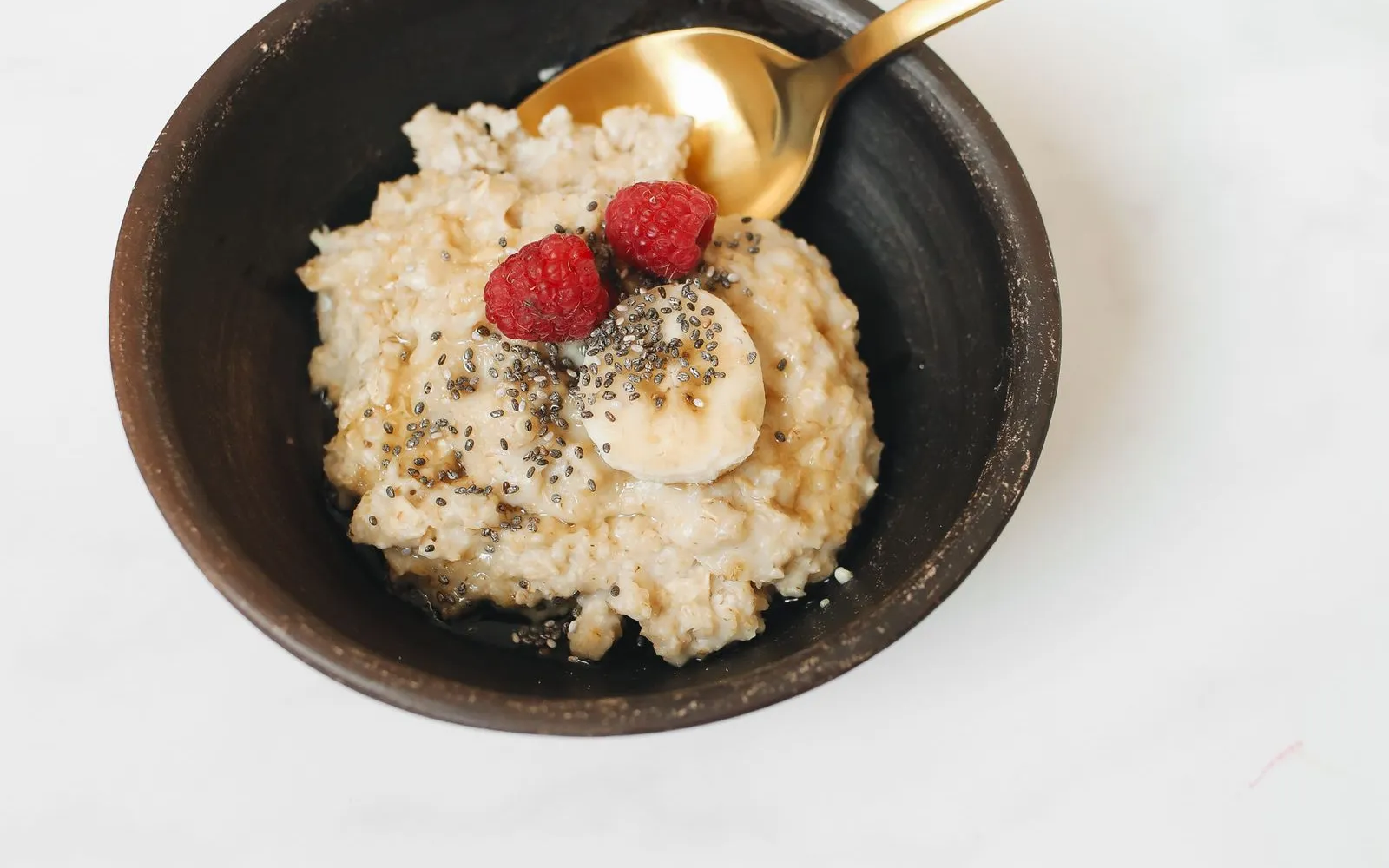
What is the best breakfast for energy?
Start with a higher-fibre starchy food, like plain porridge or wholegrain toast. The NHS calls starchy foods a good source of energy, and says higher-fibre cereals can release that energy slowly.
Then add some protein, like eggs, beans or yoghurt. The NHS says protein can help you feel full for longer. Fruit on top adds one of your 5 a day.
| Breakfast | Why it helps |
|---|---|
| Plain porridge with sliced fruit | Higher-fibre oats can give a slow release of energy. |
| Wholegrain lower-sugar cereal, semi-skimmed milk and sliced fruit | The NHS’s own pick for a healthier breakfast. |
| Rye or granary toast with an egg | Lower GI than white or wholemeal bread. The egg adds protein. |
| Beans on rye or granary toast | Beans are low GI and add protein. |
| Whole oats with plain unsweetened yoghurt and fruit | Unsweetened yoghurt is low GI. Make it the night before. |
Sources: NHS: starchy foods; NHS: 8 tips; Diabetes UK: GI; NHS: healthy eating
No single breakfast is the best. Pick the one you’d happily eat most days, and try it tomorrow.
What are the best breakfast foods for energy?
Back to those two bowls of cereal. Coarse oats raise your blood sugar slowly. Some sugar-sweetened cereals raise it quickly.
GI (glycaemic index) is a score from 0 to 100 for how fast a food with carbs raises your blood sugar. Low GI foods are sometimes called slow release carbs.
| GI score | Blood sugar rises | Breakfast examples |
|---|---|---|
| 55 or below (low) | Slowly | Coarse oats like steel-cut, rye bread, unsweetened yoghurt and milk, beans, apples, oranges, berries |
| 56 to 69 (medium) | At a medium rate | Pineapple, overripe bananas |
| 70 or more (high) | Quickly | White bread, some wholemeal bread, bagels, some sugar-sweetened cereals, sugary drinks |
Source: Diabetes UK: GI
Diabetes UK writes this for people with diabetes, but the food lists work for anyone. Protein, fat and fibre slow the digestion of carbs, so an egg on toast can act slower than toast alone.
GI isn’t the whole story: for blood sugar, how much carb you eat matters more than its GI.
Diabetes UK suggests coarse oatmeal or unsweetened oat-based muesli instead of sugar-sweetened cereals, and granary or rye bread instead of white. For more on this, see blood sugar after eating.
What are high energy breakfast foods?
On a food label, energy means calories. Fat has the most. Gram for gram, starchy foods have fewer than half the calories of fat.
So butter and fried food make a breakfast higher in energy, in calories. For energy that lasts the morning, look for fibre and protein instead. The NHS says we digest wholegrains slower than refined grains, so they can help you feel full for longer.
B vitamins help your body release energy from food. They’re in wholegrain bread, milk, eggs and some fortified breakfast cereals.
The NHS says you should be able to get all the thiamin (vitamin B1) you need from your diet.
Want more protein in the morning? Try these high-protein breakfast ideas.
How do I keep my energy up after breakfast?
Breakfast is only the first meal. To keep your energy up, the NHS suggests regular meals and healthy snacks every 3 to 4 hours. That beats a large meal less often.
A morning that keeps your energy up
- 1
Breakfast
A higher-fibre starch, some protein and fruit.
- 2
Glass of water
Being a little short of water can make you tired.
- 3
Short walk
Even 15 minutes can give an energy boost.
- 4
Snack or lunch
Eat again 3 to 4 hours later.
Source: NHS: tiredness tips
Coffee or tea? Caffeine makes you feel more awake. But it can upset your sleep, which leaves you tired the next day, and its effects can last up to 7 hours.
Cutting down? Go slowly. The NHS quotes The Sleep Charity: stopping suddenly can lead to poor sleep and headaches.
Fruit juice and smoothies are sugary. Keep them to one 150ml glass a day.
Your morning energy checklist
- Base breakfast on a higher-fibre starchy food, like plain porridge or rye toast.
- Add some protein, like eggs, beans or plain yoghurt.
- Swap sugar-sweetened cereal for coarse oats or unsweetened oat-based muesli.
- Drink a glass of water, and keep juice or smoothies to one 150ml glass a day.
- Eat a meal or healthy snack every 3 to 4 hours.
- Trouble sleeping? Skip caffeine in the evening, as its effects can last up to 7 hours.
Sources: NHS: starchy foods; Diabetes UK: GI; NHS: tiredness tips; NHS: 8 tips
What if breakfast does not fix my tiredness?
Food is one cause among many. The NHS says many cases of tiredness come from stress, not enough sleep, poor diet and other lifestyle factors. The NHS suggests aiming for 6 to 9 hours of sleep.
Low iron is one medical cause. Iron deficiency anaemia can bring tiredness and lack of energy, shortness of breath, noticeable heartbeats, paler skin than usual and headaches.
Breakfast foods with iron include fortified cereals and bread, and dried fruit like apricots, prunes and raisins. If your iron is low, the NHS says large amounts of tea, coffee, milk and wholegrain cereals can make iron harder to absorb.
Still flat? Read what causes low energy levels or still tired after sleep.
When to speak to a GP
See a GP if:
- You’ve been feeling tired for a few weeks and you’re not sure why.
- Your tiredness affects your daily life.
- You feel tired and have other symptoms, like weight loss or mood changes, or you’ve been told you gasp, snort or choke in your sleep.
- You think you might have iron deficiency anaemia.
- You’re very tired, very thirsty and peeing more than usual, especially at night. The NHS lists this with weight loss as a possible sign of diabetes.
- You have an overwhelming tiredness that rest and sleep don’t ease.
You may need blood tests to check for anaemia, diabetes or an overactive thyroid.