Breakfast ideas
High-protein breakfast ideas using ordinary foods
On this page
Two medium eggs with two slices of wholemeal toast can supply about 22 g protein. A bowl made with 200 g strained yoghurt and 40 g oats can provide about 25 g. Even changing porridge from water to milk or soya drink can add roughly 7 g without buying a protein powder.
Those figures use the specific foods below. The useful changes are often simple: choose a more concentrated protein ingredient, include enough of it, or change what you mix with the oats you already eat. Bread and other supporting ingredients contribute too.
A more protein-rich breakfast may help you fit protein into the day or feel fuller. It is not a guaranteed weight-loss method, and no single breakfast amount suits everyone. The meals here give a sense of scale; the research later explains what a 34 g breakfast did and did not achieve.
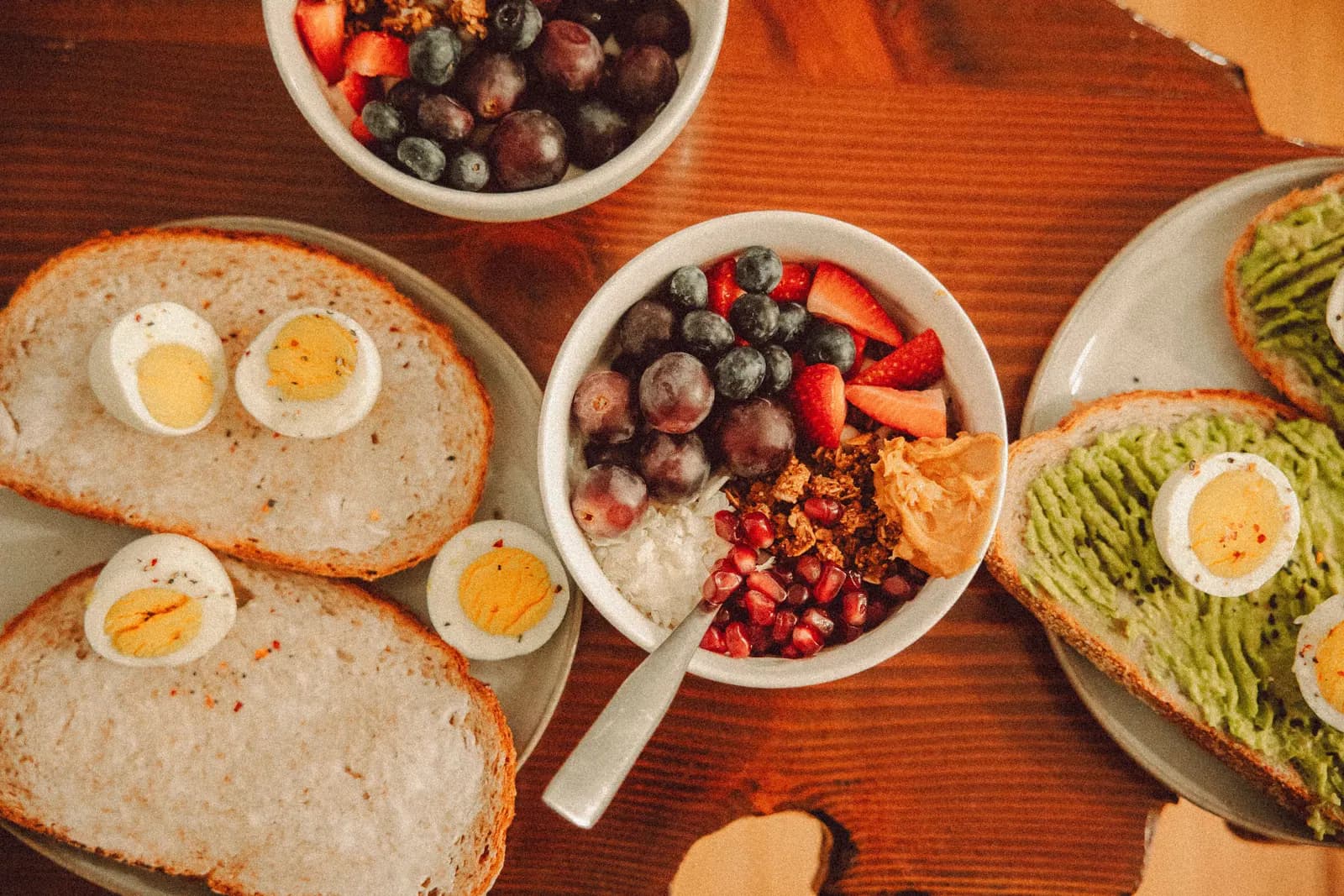
What do everyday portions provide?
These are named product examples checked in October 2026, not promises about every food in the category. Figures are rounded from current labels or the producer's nutrition information. Check your pack once, particularly when changing products, rather than assuming a name guarantees a value.
- The British Egg Industry Council gives about 6.4 g protein for a medium egg: two provide about 13 g. Two large eggs provide about 15 g.
- Warburtons Wholemeal 800 g provides 4.7 g per average slice, or 9.4 g from two. That contribution belongs in the breakfast total.
- FAGE Total 0% supplies 10.3 g per 100 g, so 200 g gives about 21 g. Arla Skyr Natural supplies 10 g per 100 g, giving 20 g in the same portion.
- Half a 415 g tin of Heinz Beanz provides about 10 g. That portion includes the tomato sauce; it is not a drained-bean weight.
- A 150 g portion of Naked Tofoo before cooking provides about 25 g, from its label value of 16.5 g per 100 g. Softer tofu products can have different concentrations.
Choose an ingredient that fits your appetite, budget and dietary needs, then build a breakfast you enjoy around it.
A yoghurt-and-oat bowl: about 25 g before fruit
Combine 200 g of the named FAGE yoghurt with 40 g Tesco Porridge Oats, whose label gives 4 g protein for that dry portion. Together they provide about 25 g. Add sliced banana, berries or chopped apple for a breakfast with more than one kind of food.
For a softer texture, let the oats soften in the yoghurt in the fridge; for more bite, add them shortly before eating. If the mixture is too thick, a little milk or an appropriate plant drink can loosen it. Its protein would be additional to the yoghurt-and-oat estimate.
The choice of yoghurt can make a substantial difference. Tesco Natural Yogurt lists 5.2 g protein per 100 g. Its 200 g portion plus the same oats provides about 14 g, compared with about 25 g using the named strained yoghurt. That is an approximately 10 g increase from one ingredient change.
Do not equate 'Greek-style' with strained or high in protein. Tesco Greek Style Yogurt, for example, lists 3.7 g per 100 g. Yeo Valley's manufacturing explanation distinguishes stirred Greek-style products from strained ones. Thickness and a similar-sounding name do not replace the nutrition table.
Build breakfast around a protein food
- 1
Choose the base
Pick a practical dairy, egg, soy or other protein option.
- 2
Add the rest
Include foods that make it a useful meal for you.
- 3
Keep an easy version
Have a quick option for mornings with less time.
Eggs on toast: about 22 g with two medium eggs
Prepare two medium eggs as scrambled, poached or boiled eggs and serve with two slices of the named wholemeal bread. The eggs contribute about 13 g and the toast about 9 g, for roughly 22 g before any additions. Two large eggs would bring those ingredients to about 24 g.
For a cooked breakfast, mushrooms or tomatoes can accompany the eggs. For a smaller appetite, one slice of toast changes the total; for a larger meal, a third medium egg adds roughly 6 g. Adjust the meal to your appetite.
You do not need to remove the toast to make the breakfast about protein. It contributes protein itself and has a different nutritional role alongside the eggs. If you usually have toast alone, adding eggs changes the meal more substantially than swapping between two similar loaves and hoping for a dramatic protein increase.
Beans on toast: about 19 g, or 26 g with an egg
Heat half the named tin of beans and serve on two slices of the named bread. That supplies about 19 g from beans, sauce and bread together. Adding one medium egg brings those ingredients to approximately 26 g.
This is an option when you want a familiar hot meal using a cupboard ingredient. Compare salt and sugar between bean products as well as protein. A higher protein number alone does not tell you which whole product fits your diet.
If you replace baked beans with plain canned beans and make your own sauce, use the plain beans' drained-weight information. The quantities are not interchangeable: half a tin of beans in sauce and half a tin of drained kidney beans are different amounts of different foods.
Add cooked vegetables if you want a more varied plate. The protein estimate above covers the beans, sauce and bread.
Tofu scramble: about 25 g before bread
Use 150 g of the named firm tofu per person. Break it into small pieces and cook with a little oil, onion or other vegetables and seasonings you enjoy, following the tofu's preparation instructions. Turmeric can provide colour; pepper, paprika or herbs offer different flavours.
The tofu alone supplies about 25 g protein. With two slices of the named wholemeal bread, the combined ingredients provide about 34 g. If you use a wrap instead, its contribution depends on the wrap you choose; do not carry over the bread figure automatically.
For two people, use 300 g tofu to keep those portions the same.
Our plant-protein and strength-training guide explains protein quality and whole-day planning, with further meal examples. Breakfast is one useful opportunity within that pattern rather than a requirement to fit all the day's protein into one sitting.
Porridge: the liquid can add about 7 g
The 40 g dry portion of the named oats provides 4 g protein. Making it with water leaves that oat contribution unchanged. Using 200 ml Tesco semi-skimmed milk adds 7.2 g, giving about 11 g before toppings.
The same volume of Alpro Soya No Sugars adds 6.6 g, again giving about 11 g with the oats. Alpro Oat Original adds 1.6 g, making roughly 6 g in total. These particular drinks contain 3.3 and 0.8 g protein per 100 ml respectively.
To raise the milk-based bowl further, add 100 g of the named skyr, contributing another 10 g. That brings the oats, milk and skyr to about 21 g. You can use the same ingredients cold if you prefer overnight oats, keeping the prepared food refrigerated according to its ingredients' instructions.
Fortification is a separate label check when plant drinks replace dairy regularly. The British Dietetic Association explains that protein and added vitamins and minerals vary between drinks. A similar colour or thickness does not establish nutritional equivalence.
Will a higher-protein breakfast keep you fuller?
The NewStart trial randomised 74 women aged 18–30 with BMI above 25; 56 completed the twelve-week analysis. One breakfast was 40 g oats plus 300 g skyr, targeting 34.3 g protein. The comparison was two wholegrain toast slices, 20 g marmalade and 250 ml juice, targeting 6.4 g.
Energy was similar, about 322 versus 331 calories, but these were different whole breakfasts: carbohydrate, added sugar and calcium also differed. The higher-protein group reported greater satiety, although participants rated it retrospectively at the endpoint. Body weight, fat mass and lean mass did not differ significantly between groups in their changes.
The Danish Dairy Research Foundation and Helsefonden funded the research, and Arla supplied dairy products; the authors reported no sponsor role in the work. The finding helps separate feeling fuller from losing weight. It does not turn 34 g into a universal target or establish what older adults need for muscle.
Does eating less at lunch mean you will lose weight?
An April 2026 crossover experiment tested two instant-noodle breakfasts in 25 adults. The higher-protein version was followed by roughly 94 fewer calories eaten at a buffet lunch, while the primary overall appetite score did not differ. The high-protein noodle manufacturer, Borealis Foods, funded the study.
That was one laboratory lunch after specific products. It cannot be multiplied by 365 to predict an annual weight change: the experiment did not measure what people would eat across those days. The ordinary breakfasts above should be judged as meals you can use, without attaching a guaranteed fat-loss result to their protein totals.
If you have prescribed dietary restrictions, particularly for kidney disease, or are losing weight unintentionally, get individual advice before deliberately increasing protein or choosing more filling meals. Otherwise, start with one concrete comparison: yoghurt type, the liquid in porridge, or adding eggs, beans or tofu to a breakfast that currently has little protein.