Cholesterol and blood pressure: how do they link?
They’re separate, but they team up. High blood pressure makes it easier for fatty material to build up in your arteries. And your cholesterol can change whether your GP suggests blood pressure tablets.
On this page
Does high cholesterol cause high blood pressure?
They’re two separate problems, found by two separate tests. But they harm the same thing: your arteries.
Blood pressure is the push of blood in your arteries. When it’s high, arteries get stiff or narrow. The BHF says that makes it easier for fatty material to build up.
Cholesterol is a fatty substance in your blood. Too much bad cholesterol (non-HDL) gets stuck to artery walls.
The link may also run the other way.
A US study followed 3,110 male doctors for 14 years. Those with the most bad cholesterol were 39% more likely to get high blood pressure than those with the least. It’s one study, so it hints at a link rather than proving one.
| Check | Healthy or high | Test |
|---|---|---|
| Total cholesterol | Healthy: below 5 mmol/L | Blood test |
| Bad cholesterol (non-HDL) | Healthy: below 4 mmol/L | Blood test |
| Good cholesterol (HDL) | Healthy: above 1.0 mmol/L (men) or above 1.2 mmol/L (women) | Blood test |
| Blood pressure | Ideal: 90/60 up to 120/80. High: usually 140/90 or more at a clinic, 135/85 or more at home. | Arm cuff |
Sources: NHS: cholesterol levels; NHS: high blood pressure; Blood Pressure UK
Neither one usually causes symptoms. Know one number but not the other? Get the missing one checked.
What each line means: cholesterol results explained and normal blood pressure.
Why are high cholesterol and high blood pressure worse together?
How the two team up in your arteries
- 1
Pressure
High blood pressure makes arteries stiff or narrow.
- 2
Build-up
That makes it easier for fatty material to collect.
- 3
Cholesterol
Too much bad cholesterol sticks to artery walls.
- 4
Blockage
Narrow, damaged arteries can trigger a heart attack or stroke.
The NHS says high blood pressure and high cholesterol each significantly raise your risk of narrowed arteries. Smoking, diabetes and too little exercise are on the same list.
Risks stack up.
A US study followed 316,099 white men for about 12 years. Take smokers in the top fifth for both cholesterol and the top blood pressure number. They died of heart disease about 20 times as often as non-smokers in the bottom fifth for both.
In that study, risk rose step by step from a cholesterol above 4.65 and a top number above 110. Both are below the NHS lines for high.
So look at both numbers together. That’s what your GP does.
How does your GP use both numbers?
Your GP may put your cholesterol, blood pressure, age and health conditions into one score, called QRISK. It’s your 10-year chance of heart or circulation problems.
A 10% score is like a 10% chance of rain: odds, not a promise.
| Your situation | What NICE says |
|---|---|
| Aged 25 to 84, risk score of 10% or more, no heart or circulation disease | Offer a statin to lower cholesterol. |
| Stage 1 high blood pressure that stays high, under 80, risk score of 10% or more | Talk about starting blood pressure tablets. |
| Stage 1 high blood pressure, under 60, risk score below 10% | Consider tablets. A 10-year score may underestimate your lifetime risk. |
| Stage 2 high blood pressure that stays high, any age | Offer blood pressure tablets. |
Sources: NICE NG136; NICE NG238
Stage 1 is 140/90 to 159/99 at a clinic (135/85 to 149/94 at home). Stage 2 is 160/100 up to below 180/120 at a clinic (150/95 or more at home).
Two people with matching stage 1 readings can get different advice if one scores 10% or more.
Under 80 with stage 1 that stays high? NICE suggests discussing tablets if you have diabetes, kidney disease, heart or circulation disease, or organ damage.
NICE says everyone with high blood pressure should be offered a cholesterol test.
Never stop or change a prescribed medicine without your prescriber.
How can I lower cholesterol and blood pressure together?
Six NHS changes. The first three are on both lists.
- Build up to 150 minutes of exercise a week, such as brisk walking.
- Stop smoking. Your GP or an NHS stop smoking service can help.
- Drink no more than 14 units a week on a regular basis. If you drink that much, spread it over 3 or more days.
- Lose weight if you’re overweight.
- Cut salt to no more than 6g a day, about 1 level teaspoon.
- Swap butter, lard and ghee for olive or rapeseed oil, or spreads made from them.
Sources: NHS: high blood pressure; NHS: how to lower your cholesterol; NHS: salt
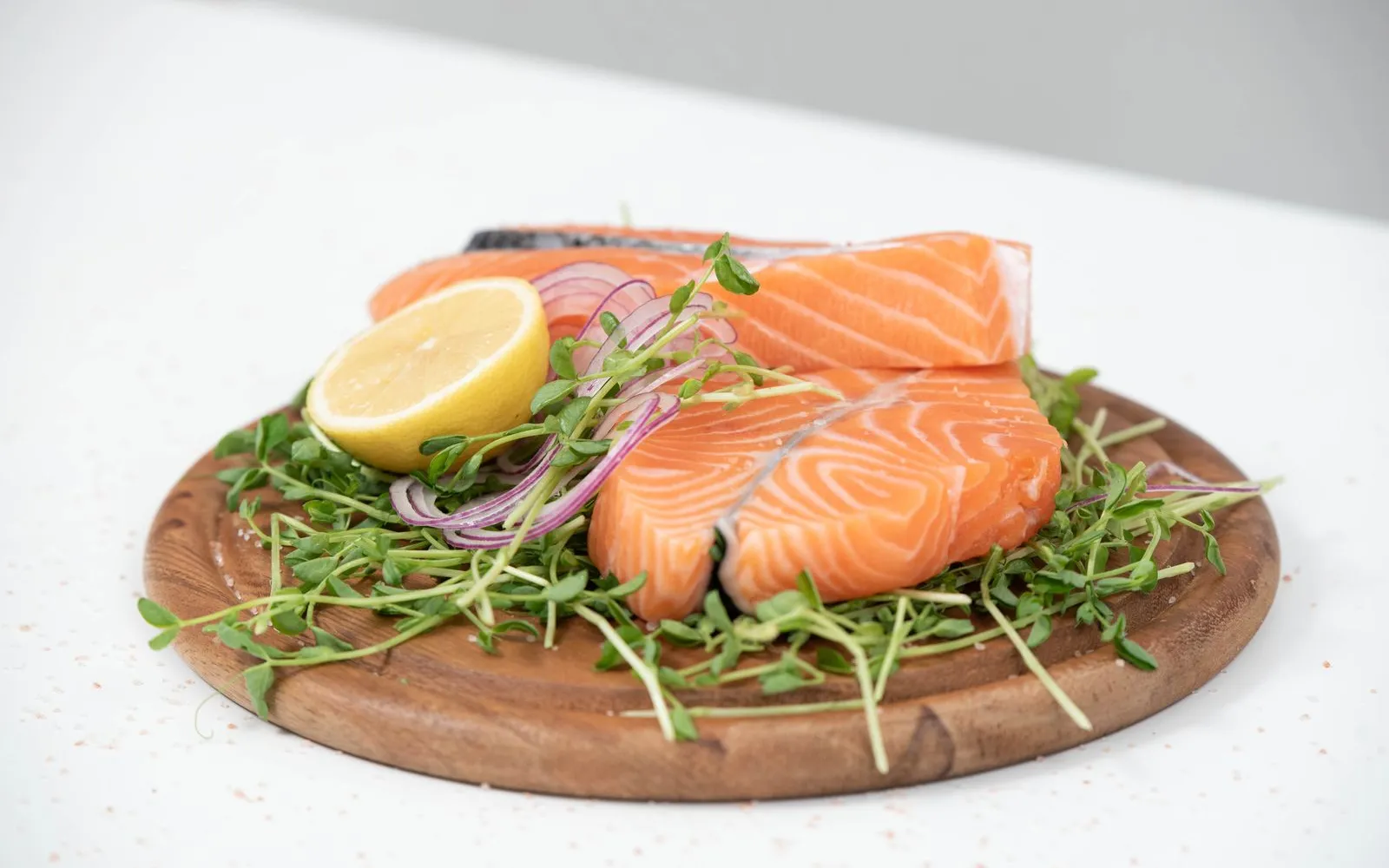
Salt is the blood pressure one: too much can cause high blood pressure. For cholesterol, the NHS also suggests oily fish, like salmon, and less meat pies, sausages and fatty meat.
Across 20 small trials, statins lowered the top blood pressure number by 1.9 points on average. The authors call the effect small but meaningful.
Never stop or change a prescribed medicine without your prescriber.
More on stage 1 and stage 2 and blood tests on statins.
For more detail, see how to lower cholesterol, how much salt per day and checking blood pressure at home.
When to speak to a GP
High cholesterol and high blood pressure don’t usually cause symptoms. Speak to a GP or pharmacist if:
- You’re 40 or over and haven’t had your blood pressure checked for more than 5 years.
- You’ve never had a cholesterol test and you’re over 40, overweight, or high cholesterol or heart problems run in your family.
- You have high blood pressure but haven’t been offered a cholesterol test. NICE says you should be.
- Your reading is 140/90 or more at a clinic, or 135/85 or more at home.
Aged 40 to 74 in England? You should be invited to a free NHS Health Check every 5 years, unless you have certain conditions, such as high blood pressure. It checks both.
Get help from NHS 111 if you often have headaches or blurred vision, or chest pain that comes and goes. The same goes for other symptoms you’re worried could be from high blood pressure.
Call 999 for sudden chest pain or discomfort that doesn’t go away, such as squeezing, pressure, burning or indigestion. Also call for pain spreading to either arm, your neck, jaw, stomach or back. Or chest pain with sweating, feeling sick, light-headed or short of breath.