What are the five ways to wellbeing?
Connect, be active, take notice, keep learning and give. They’re a wellbeing version of 5 a day. You don’t have to do all 5 every day. One walk with a friend covers two.
On this page
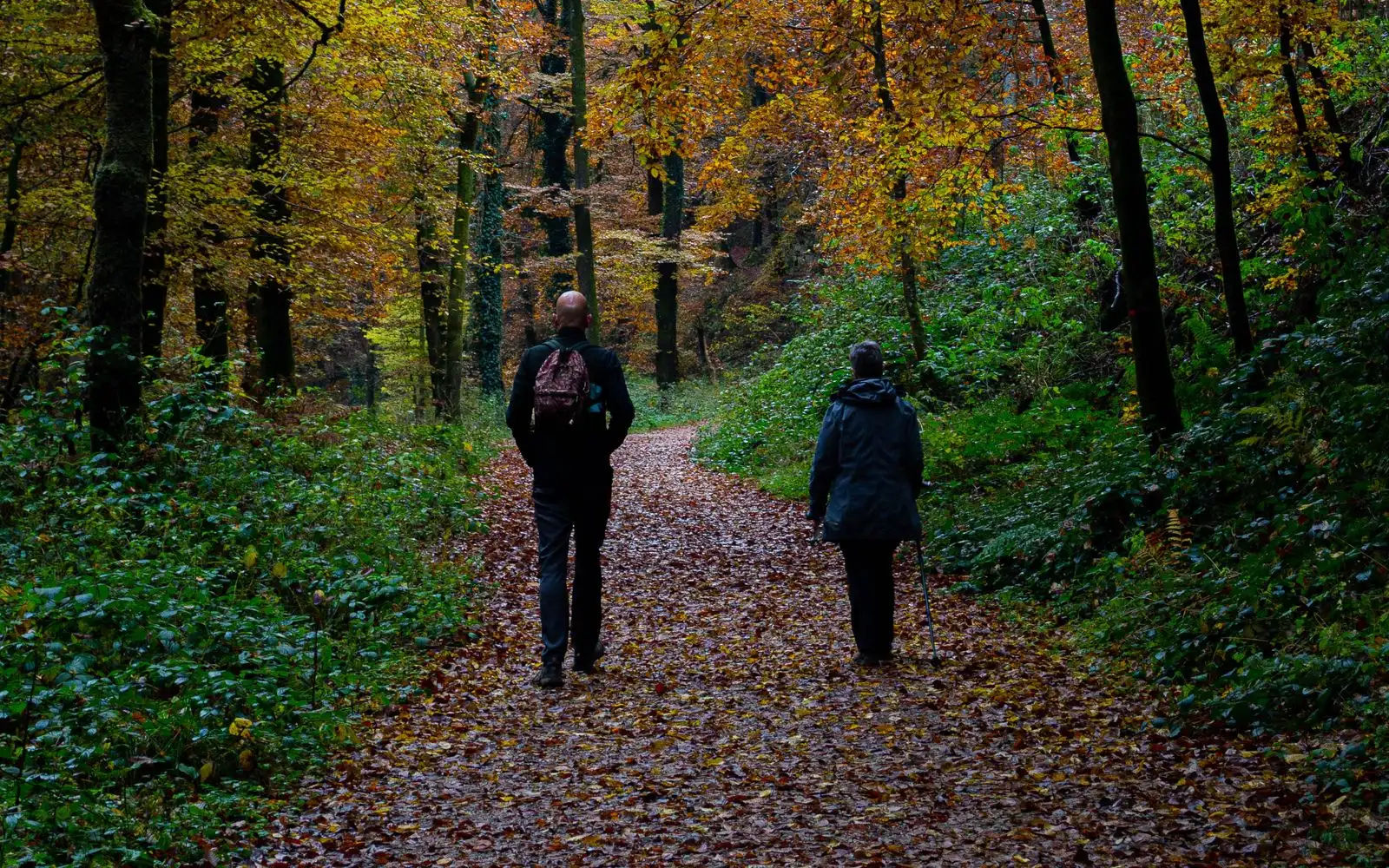
What are the five ways to wellbeing?
They’re 5 everyday actions: connect, be active, take notice, keep learning and give. A research group called the New Economics Foundation (NEF) wrote them in 2008 for a government project called Foresight.
The brief was a wellbeing version of “five fruit and vegetables a day”. Like 5 a day, they’re small habits you build into normal days.
The NHS uses the same 5 with slightly different names. It says evidence suggests they can improve your mental wellbeing.
| Way | NHS name | What it can look like |
|---|---|---|
| Connect | Connect with other people | Eat dinner together at a fixed time, or have lunch with a colleague. |
| Be active | Be physically active | Walk, cycle, garden or dance. Pick something you enjoy. |
| Take notice | Pay attention to the present moment | Notice the seasons, or what you see and hear on a walk. |
| Keep learning | Learn new skills | Cook something new, fix a bike or pick up an old interest. |
| Give | Help other people | Thank someone, or ask a friend how they are and really listen. |
Sources: GOV.UK; NEF 2008; NHS: 5 steps
Now tick the ones you already do. Then give a little more time to one of them. You don’t need a whole new routine.
Is there evidence the five ways work?
Some, but less than the neat list suggests. The NEF review found very little research, if any, on effect sizes. That means how big each benefit is.
It also says cause is hard to prove. And for exercise, not enough is known about what type, how often, how hard or how long it needs to be to help.
| Way | What the review cites |
|---|---|
| Connect | Having 3 or fewer close friends and relatives predicted a higher chance of common mental health problems later. |
| Be active | Single bouts of exercise under 10 minutes improved mood. |
| Take notice | 8 to 12 weeks of training to notice thoughts and feelings raised wellbeing for several years. |
| Keep learning | Three one-hour group sessions on setting goals and planning raised wellbeing. |
| Give | One act of kindness a week for 6 weeks was linked to higher wellbeing. |
Source: NEF 2008
So no way is proven best. Start with the one you’re most likely to do this week, and treat it as a small test.
Do I have to do all five every day?
No. No source sets a daily amount for any of the five. And NEF says each one doesn’t need to be done separately: one activity can cover more than one way.
That walk with a friend is “be active” and “connect” at once. It’s the example NEF gives itself.
| Activity | Ways it covers |
|---|---|
| Walk with a friend | Be active and connect |
| Visit a friend who needs company | Connect and give |
| Notice what you see and hear on a lunchtime walk | Be active and take notice |
| Go somewhere new for lunch with a colleague | Connect and take notice |
Sources: NEF 2008; NHS: 5 steps; NHS: mindfulness
Mix them up across the week, too. NEF says doing the same thing over and over can wear off, so changing it keeps it fresh.
Five ways to wellbeing ideas for this week
Start small. For a low mood, the NHS says to set small targets you can easily achieve, not to try everything at once.
Five ways to wellbeing: ideas for this week
- Connect: set a fixed time to eat dinner with family, or arrange a day out with a friend you haven’t seen for a while.
- Be active: pick something you enjoy, like a brisk walk. You don’t need to spend hours in a gym.
- Take notice: on your journey to work or a lunchtime walk, notice what you see, hear and feel.
- Keep learning: cook something new or fix something at home. You don’t need exams or qualifications.
- Give: thank someone for something they did, or ask a friend how they are and really listen.
- Don’t rely on texts and social media alone to stay close to people.
Sources: NHS: 5 steps; NHS: mindfulness
Want a number for being active? Adults aged 19 to 64 should aim for at least 150 minutes of moderate activity a week, or 75 minutes of vigorous activity.
Moderate means you can still talk, but not sing. Add strength exercises on at least 2 days a week.
Haven’t exercised for a while, or have a health condition? The NHS says speak to your GP first. Walking is an easy start: see the benefits of walking.
Outdoors counts too. NEF folds nature into “be active” and “take notice”. See nature walks and stress.
At work, NEF suggests cycling to work, taking on a new responsibility, or spending time on work friendships.
Can the five ways help a low mood?
They overlap with NHS advice for a low mood. That advice includes talking to someone, regular exercise and mindfulness techniques, where you focus on the present moment. Exercise may improve your mood and help you sleep better.
Mindfulness isn’t for everyone. The NHS says studies show it can help with stress, anxiety and depression, but some people feel worse. See mindfulness courses.
Lonely as well? Connecting can feel hardest then. See loneliness for small first steps.
Low mood: when the five ways may not be enough
- 1
A few days or weeks
A low mood often gets better. Try small steps from the five ways.
- 2
2 weeks or more
It could be a sign of depression. See a GP. Aged 18 or over (16 in some areas)? You can also refer yourself for talking therapy.
- 3
Urgent help
Call 111 and choose the mental health option, or ask for an urgent GP appointment.
- 4
Life at risk
Call 999 or go to A&E if you can’t keep yourself or someone else safe.
Sources: NHS: low mood; NHS: urgent help
Other signs of depression can include getting no enjoyment out of life, feeling hopeless, or not being able to concentrate on everyday things. You may also have suicidal thoughts or thoughts about harming yourself.
For a wider look at your mental health, see what mental health is.
When to speak to a GP
Book a GP appointment if:
- You’ve had a low mood for more than 2 weeks.
- You’re struggling to cope with a low mood.
- Things you’re trying yourself, like the five ways, aren’t helping.
- You’d prefer a GP to refer you for help.
- You haven’t exercised for a while, or have a health condition, and want to get more active.
Need help urgently? Call 111 and choose the mental health option, or ask for an urgent GP appointment.
Call 999 or go to A&E if someone’s life is at risk, such as a serious injury or an overdose. Do the same if you can’t keep yourself or someone else safe. Don’t drive yourself there.
Need to talk? Call Samaritans on 116 123. If you’re under 19, you can also call Childline on 0800 1111.