What foods help digestion?
Fibre and water first. Oats, wholemeal bread, beans, fruit and veg help prevent constipation. But if you bloat easily, some of these make it worse. And each supplement suits a particular problem.
On this page
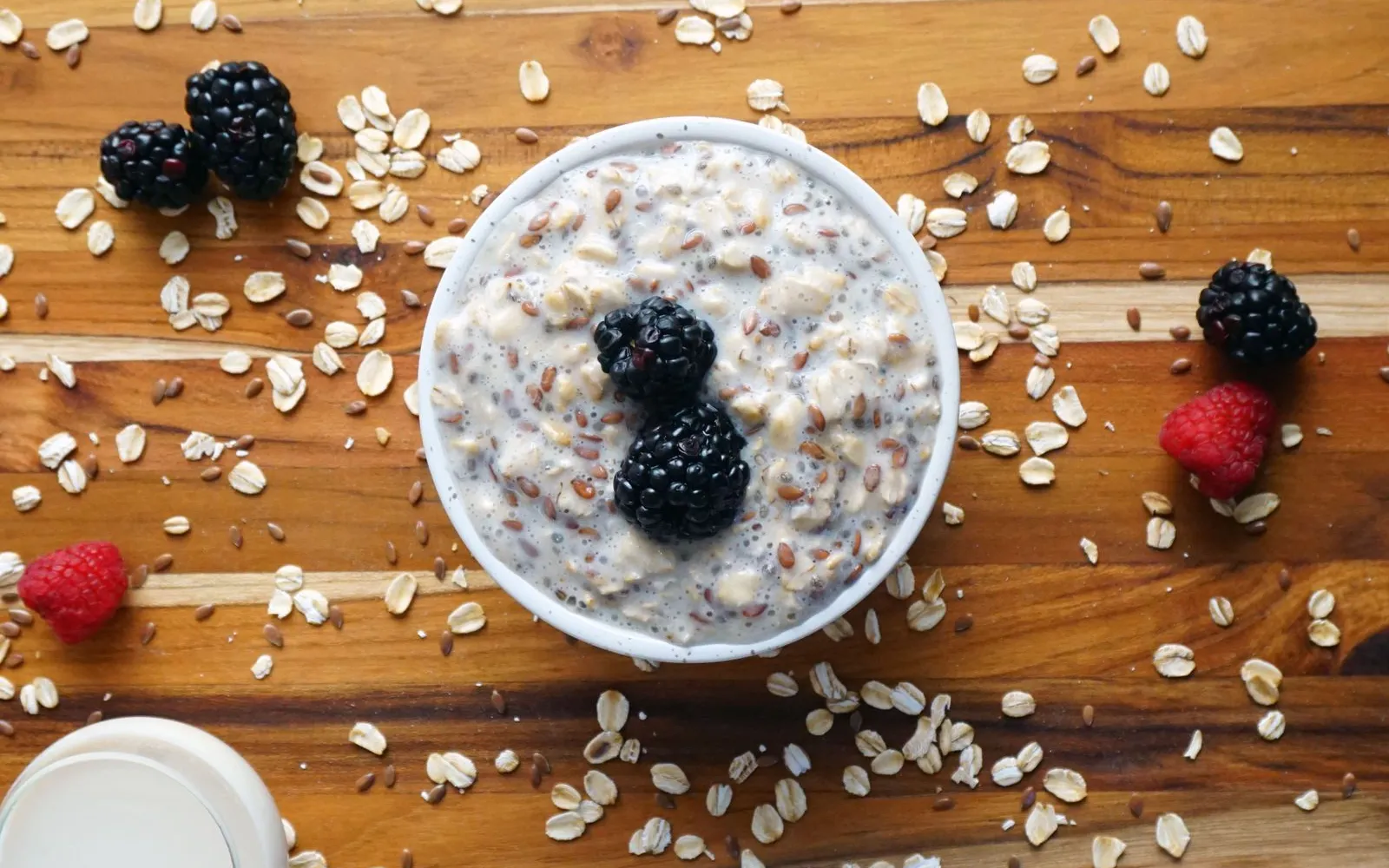
Which foods help digestion?
Foods with fibre, plus plenty to drink. The NHS says a diet rich in fibre can help digestion and prevent constipation. Most people in the UK don’t get enough.
| Food or drink | Why it helps |
|---|---|
| Oats | Fibre. A good pick if you’re bloated and constipated. |
| Wholemeal bread and brown rice | Fibre from grains, in place of white. |
| Beans, lentils and chickpeas | Fibre to add to stews, curries and salads. |
| Fruit and veg | Fibre. Fruit with sorbitol (a natural sugar), like apples and grapes, can make poo softer. |
| Water | Fibre needs fluid to soften poo. |
| Live yoghurt | A natural source of friendly bacteria (probiotics). |
Sources: NHS: good foods for digestion; NHS: constipation; NHS: bloating
Fibre works like a sponge. It soaks up water, which keeps poo soft. A dry sponge can’t do that, so add fibre without fluid and you can end up constipated.
So have a glass of water with every meal. Then pick one food from the list to add this week.
How much fibre do you need?
Adults should aim for 30 g a day. Most of us eat about 20 g. The NHS shows how three ordinary meals get you there.
Source: NHS: more fibre
The NHS says these meals are only illustrations. Fibre depends on the recipe and how much you eat. On a label, high fibre means 6 g or more per 100 g.
Go up slowly. Adding fibre fast can cause bloating and gas, the BDA (the UK body for dietitians) says. Swap one meal at a time.
For amounts in common foods, see high-fibre foods and how much fibre a day.
Foods good for digestion and bloating
Bloating is most often a lot of gas in your gut. Some vegetables and fizzy drinks make more of it, and so does swallowing air when you eat.
| Food or habit | NHS advice for bloating |
|---|---|
| Oats or linseed | Eat these if you’re constipated. They’re high in soluble fibre, a softer kind of fibre that turns to gel in water. |
| Cabbage, beans or lentils | Don’t eat lots. They’re known to cause gas. |
| Fizzy drinks, alcohol, coffee and tea | Don’t drink lots of them. |
| Big meals, late meals | Eat smaller meals more often. Avoid large meals late at night. |
| Swallowing air when you eat | Chew with your mouth closed so you swallow less air. |
Source: NHS: bloating
That’s the catch. Beans and cabbage are high in fibre, but they’re known to cause gas. For bloating, the NHS points you to oats and linseed instead.
If grains seem to set you off, the NHS says to get your fibre from fruit and veg instead. Regular exercise helps too.
Diagnosed with IBS (irritable bowel syndrome) and have bloating, cramps or farting? The NHS suggests up to 1 tablespoon of linseeds a day and oats such as porridge. It also suggests avoiding the sweetener sorbitol.
No single diet works for everyone with IBS.
Which foods upset digestion?
Fatty foods like chips, burgers and fried food are harder to digest. They can cause stomach pain and heartburn.
Spicy food upsets some people and not others. If it gives you heartburn, stomach pain or diarrhoea, go easy on it.
Tomatoes, citrus fruit, salad dressing and fizzy drinks can trigger heartburn. Dairy gives wind and diarrhoea if you can’t digest lactose, the sugar in milk.
Six NHS changes for an easier gut this week
- Add one fibre food at a time, such as oats, wholemeal bread, beans or fruit.
- Drink a glass of water with every meal.
- Grill rather than fry, and cut back on chips, burgers and fried food.
- If you can’t do without coffee or tea, keep to 1 or 2 cups a day.
- Choose drinks that are not fizzy and have no caffeine, like herbal tea, milk or water.
- Keep a food diary to work out which foods cause your symptoms.
Sources: NHS: good foods for digestion; NHS: constipation; BDA: fibre
Think you can’t digest dairy? Don’t cut it out on your own. The NHS says to ask a GP or dietitian first.
Which supplements help digestion?
Pick one for the problem you have, not for digestion in general.
| Supplement | What the NHS says it helps | Know this |
|---|---|---|
| Probiotics | May ease some IBS symptoms. | Take daily for at least 4 weeks to see if they work. |
| Peppermint oil capsules | Cramps, bloating and farting, especially with IBS. | Can cause heartburn. Bought yourself, check with a doctor after 2 weeks. |
| Lactase (an enzyme that helps you digest the sugar in milk) | May cut symptoms of lactose intolerance for some people. | Take it before food or drink with lactose. |
| Ispaghula husk (fibre powder) | Constipation, as a laxative (a medicine that helps you poo). | Drink plenty. Bought yourself, stop when better and within 7 days. |
Sources: NHS: probiotics; NHS: peppermint oil; NHS: lactose intolerance; NHS: laxatives
Probiotics are sold as food, not medicine. So a pot may not hold the bacteria on the label, or enough of them. One that helps one problem may not help another.
Bloated? See which probiotics have been tested for bloating.
Peppermint oil and fibre powder are medicines. For constipation, the NHS says try food and drink changes first. Speak to a doctor or pharmacist if a laxative hasn’t helped after 3 days.
Tell a doctor or pharmacist before taking peppermint oil if you’re pregnant or have liver disease or gallstones. The same goes if you’re losing weight, have seen blood when you poo, or your symptoms have changed. The NHS lists other reasons too.
Have a health condition or a weak immune system? Talk to a doctor before probiotics.
Never stop or change a prescribed medicine without your prescriber.
When to speak to a GP
For constipation, food changes may help within a few days, or take a few weeks. See a GP if:
- You feel bloated regularly, or you’ve changed your diet but keep feeling bloated.
- You’re regularly constipated, it’s not getting better with treatment, or how you poo suddenly changes. Or you have tummy pain, or feel constipated and tired all the time.
- You have blood in your poo, or you’ve lost weight without trying.
- You keep getting indigestion or have it with severe pain. Or you find it hard to swallow, keep being sick, feel a lump in your stomach or have blood in your sick.
- You have IBS and diet changes and pharmacy medicines aren’t helping.
Get an urgent GP appointment or call 111 if you’re bloated and being sick, have diarrhoea, constipation or stomach ache. The same goes if you have a high temperature or feel hot, cold or shivery.
It’s the same if you have a swelling or lump in your tummy, or can’t pee, poo or fart. Or if stomach acid coming up gives you a burning feeling in your chest (acid reflux).
Bloated with a swollen stomach? Call 999 or go to A&E if you also have sudden severe pain or severe difficulty breathing. The same goes if you vomit blood or what looks like ground coffee.
For gut tests, see blood tests for bloating.