Which carbs are healthy?
The ones that come with fibre. Think oats, wholegrains, beans, fruit and potatoes in their skins. They suit weight loss too. But don’t trust a low GI label. Most chocolate scores low.
On this page
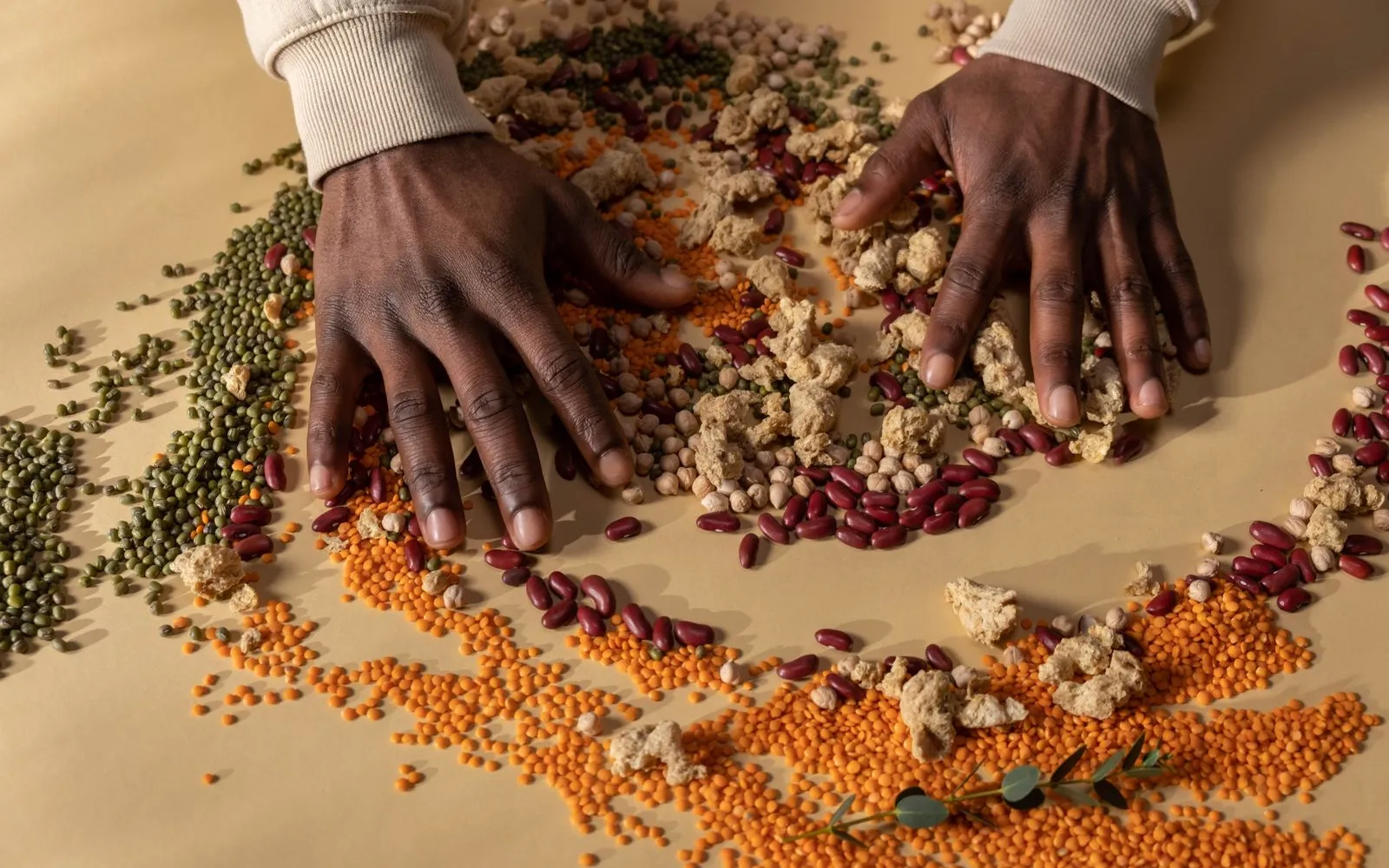
What are healthy carbs to eat?
Carbs that bring fibre with them. The NHS says to choose wholegrain varieties, and eat potatoes with their skin on for more fibre.
Don’t cut carbs out. Starchy foods like bread, rice, pasta and potatoes should make up just over a third of the food you eat. Fruit and veg should make up just over another third.
Think of a carb as a parcel. Wholegrain is the tight wrapping, so the parcel takes longer to open. Wholegrains are digested slower than white ones, so they can help you feel full for longer.
| Instead of | Try | Why |
|---|---|---|
| White bread | Wholemeal, granary or seeded bread | More fibre. Or pick a higher-fibre white. |
| White pasta | Wholewheat pasta | More fibre, so you may feel full for longer. |
| White rice | Brown rice, bulgur wheat or barley | Brown rice can have more fibre and B vitamins. |
| Chips | Baked or boiled potatoes, skin on | The skin holds fibre. Chips cooked in oil aren’t a healthy choice. |
| Sugary cereal | Plain porridge or wholewheat biscuits | Many cereals are refined (most of the grain’s fibre is removed), and can be high in sugar. |
| Meat-only stew | Add beans, lentils or chickpeas | Pulses add fibre and protein. |
Sources: NHS: starchy foods; NHS: fibre; NHS: Eatwell Guide
Start with one swap at the meal you eat most often. For more ideas, see the high-fibre foods list.
What are the best carbs for weight loss?
The same ones. The NHS says fibre can help you feel full, so you’re less likely to eat too much. That makes wholegrains and skin-on potatoes a particularly good choice if you’re trying to lose weight.
Worried carbs are fattening? Gram for gram, starchy foods have fewer than half the calories of fat. The butter, oil and creamy sauce you add raise the calories.
Five ways to eat carbs if you’re trying to lose weight
- Choose wholegrain bread, brown rice and wholewheat pasta.
- Eat potatoes boiled or baked with the skin on, not as chips.
- Make oven-baked potato wedges instead of frying.
- Have more rice or pasta and less sauce, but keep the vegetables.
- Use a small amount of olive or sunflower oil, or a lower-fat spread.
Sources: NHS: starchy foods; NHS: Eatwell Guide
Thinking of low carb? Compare it with other diets in the best diet to lose weight, and see the healthiest bread for weight loss.
Are low GI carbs always healthy?
No. GI (glycaemic index) ranks how fast a carb raises your blood sugar, from 0 to 100. It doesn’t tell you if a food is good for you.
- Below 56 GILow GI. Raises blood sugar slowly.
- 56 to just under 70 GIMedium GI.
- 70 GI or aboveHigh GI. Raises blood sugar quickly.
Source: Diabetes UK
That’s why fibre, not GI, is the test. Diabetes UK says most chocolate is low GI because of its fat. A baked potato is high GI, yet its skin is full of fibre.
For blood sugar, portion size matters more. Diabetes UK says the amount of carbs you eat has a bigger effect on blood sugar than GI alone.
A big review in the Lancet backs fibre over GI. Low GI diets showed smaller or no risk reductions than high-fibre ones. So check the fibre on the label first.
How much fibre should your carbs give you?
Adults should aim for 30g of fibre a day. Most of us get about 20g.
Source: NHS: fibre
Breakfast was 2 slices of wholemeal toast with peanut butter and a medium orange. Lunch was wholemeal spaghetti with lentil and tomato sauce. Dinner was chicken, a skin-on baked potato, carrots and green beans.
On a label, a high-fibre food has 6g or more per 100g.
Why bother? The Lancet review compared people who ate the most fibre with those who ate the least. The top group had a 15 to 30% lower risk of heart disease, stroke, type 2 diabetes and bowel cancer.
Those were links in large groups of people, not proof for one person.
See how much fibre you need a day for more.
Which carbs should you cut down on?
Free sugars. These are sugars added to food and drink, plus the sugar in honey, syrups and fruit juice. Adults should have no more than 30g a day, about 7 sugar cubes.
Sugar in whole fruit, veg and milk doesn’t count, so you don’t need to cut it. Keep juice and smoothies to 150ml a day in total.
Sugary fizzy drinks and squash come first. UK nutrition advisers say adults and children should keep sugary drinks to a minimum.
On a label, high sugar is more than 22.5g per 100g. Low is 5g or less. More in how much sugar per day.
When to speak to a GP
Speak to a GP if:
- You feel very tired, pee more than usual, feel thirsty all the time or lose weight without trying. These can be signs of type 2 diabetes.
- You get blurred vision, cuts that heal slowly, or itching around your penis or vagina or thrush that keeps coming back.
- You think you may have a wheat allergy or intolerance.
- You have ongoing diarrhoea, stomach ache or bloating with no clear cause. Coeliac disease is when your immune system attacks your gut when you eat gluten, a protein in wheat, barley and rye. Keep eating gluten until a specialist confirms it, or the test may be wrong.
- You have diabetes and want help with carbs. Ask about a registered dietitian.
Not sure about your blood sugar? See normal blood sugar levels.