How can I increase my metabolism?
Start with strength training. In trials it raised resting burn by about 96 calories a day, almost three times the chilli figure. If you’re 20 to 60, age probably isn’t what slowed you.
On this page
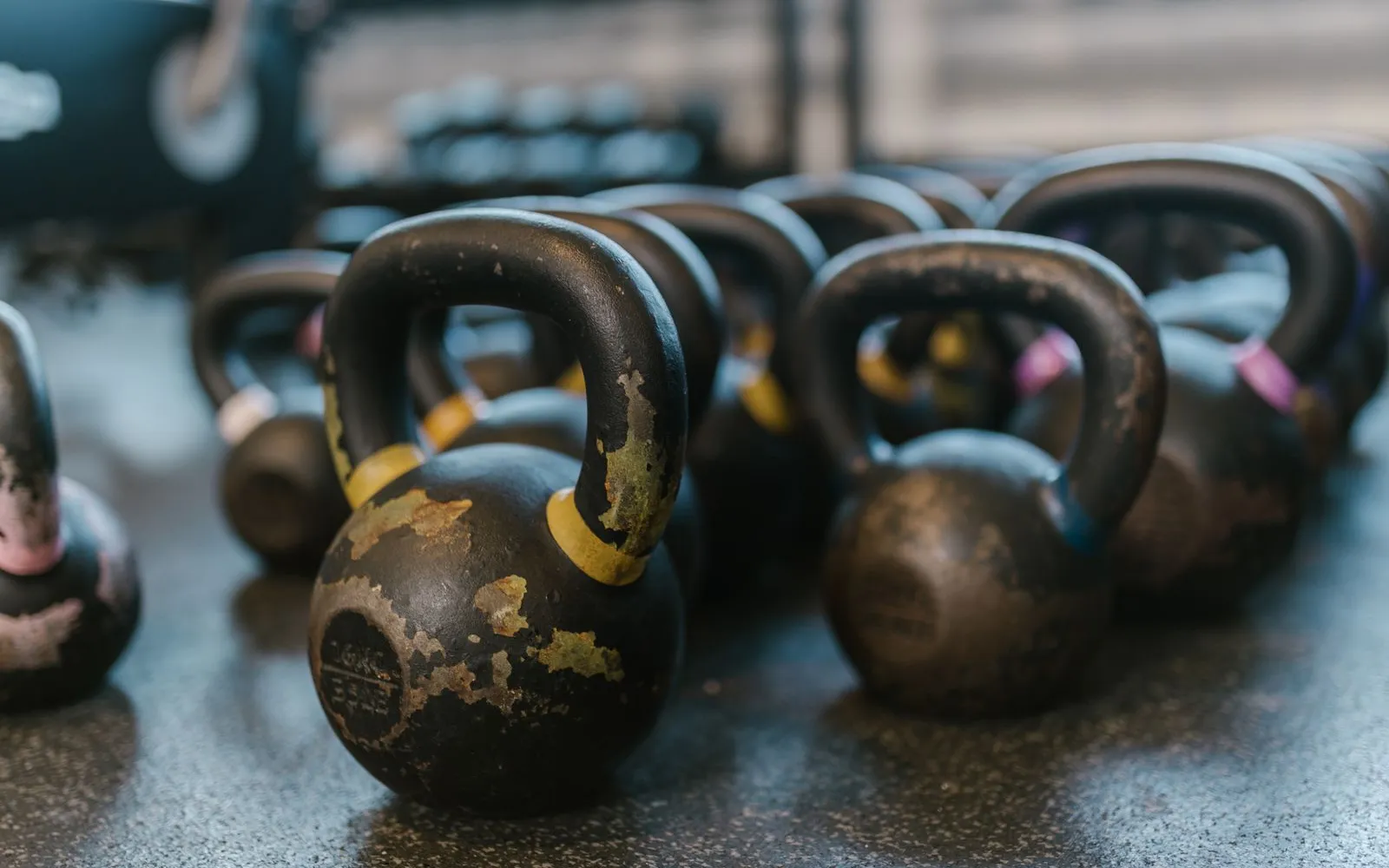
What is the best way to boost your metabolism?
Strength training. In a 2020 review of trials, strength work raised resting burn by about 96 calories a day compared with people who didn’t do it.
Resting burn is what your body uses while you do nothing at all. Think of a car engine ticking over while it’s parked. Strength work nudges that tick-over up a little.
| What people tried | What it did | How sure |
|---|---|---|
| Strength training | Raised resting burn by about 96 calories a day | 18 trials, many with a high risk of bias |
| Cardio alone | No clear change in resting burn | Same review |
| Chilli compounds | Raised resting burn by about 34 calories a day | 13 trials. Authors want better ones. |
| Green tea products | Weight loss too small to matter | Cochrane review |
Sources: MacKenzie-Shalders 2020; Irandoost 2021; Cochrane
The review left out people aged 65 or over, pregnant or breastfeeding women, and women after menopause. So the 96 may not fit everyone.
Cardio still earns its place. The NHS says exercise just once or twice a week can cut your risk of heart disease or stroke.
Your first move: book 2 strength sessions into your week. That’s the NHS minimum.
Which foods increase your metabolism?
Protein, a little. Your body uses energy to digest food, and protein costs the most. About 20 to 30% of its calories go on digesting it.
| Food type | Used to digest every 100 calories | Examples |
|---|---|---|
| Protein | 20 to 30 calories | Chicken, fish, eggs, beans, lentils |
| Carbohydrate | 5 to 10 calories | Bread, rice, pasta, potatoes |
| Fat | 0 to 3 calories | Oil, butter, cream |
Source: Westerterp 2004
On a mixed diet, digesting food uses about 10% of what you eat. So a swap from butter to chicken helps, but only by a few calories.
Chilli’s hot compounds added about 34 calories a day in trials in healthy adults. Capsules taken for longer did more. In overweight adults, green tea products gave weight loss too small to matter.
So build each meal around a protein food, and enjoy chilli if you like it. Our guide to how much protein you need a day gives the amounts.
Does your metabolism slow down with age?
Not between 20 and 60. A 2021 study measured the daily burn of people aged 8 days to 95 years. For their body size, adults’ burn stayed steady from 20 to 60.
Daily burn for your body size, across life
- 1
Age 1
About 50% above adult levels.
- 2
Up to 20
Slowly falls to adult levels.
- 3
20 to 60
Steady, even in pregnancy.
- 4
Over 60
Starts to fall.
Source: Pontzer 2021
So if you’re 20 to 60, your age alone is probably not what slowed you down.
The same study found your daily burn rises with your lean mass: muscle, organs and bone. At rest, a kilo of muscle uses about 13 calories a day. A kilo of fat uses about 4.5.
Losing weight? Here’s how to keep your muscle while you do it.
Can you reset your metabolism?
No quick reset has been shown to work.
Extreme weight loss can push it the wrong way. One study followed 14 people from a TV weight loss contest. On average they lost about 58 kg in 30 weeks.
Six years later, their resting burn was about 500 calories a day lower than expected for their size.
That’s an extreme case in a small group. It’s still a good reason to go slowly. The NHS says aim to lose 0.5 to 1 kg a week.
See how much weight you can lose in a month at that pace.
How do I raise my metabolism day to day?
Habits that help your metabolism
- Do strength work for your legs, hips, back, tummy, chest, shoulders and arms on at least 2 days a week.
- Do at least 150 minutes of moderate activity a week as well, such as brisk walking.
- Break up long spells of sitting or lying down with some activity.
- Build each meal around a protein food, such as fish, eggs, beans or chicken.
- Lose weight slowly, at 0.5 to 1 kg a week, not with a crash diet.
Sources: NHS: activity guidelines; NHS: obesity
New to weights? Our strength training for weight loss guide shows where to start.
When to speak to a GP
Some signs people put down to a slow metabolism can come from an underactive thyroid.
Its symptoms usually develop slowly. See a GP if you think you might have one. Signs include:
- You’re putting on weight and feel extremely tired.
- You feel cold more than usual.
- You have constipation, low mood, or dry skin, dry hair or hair loss.
- You have a croaky voice, or irregular or heavy periods.
- You find it hard to concentrate or think clearly.
Haven’t exercised for some time, or have a medical condition? The NHS says speak to your GP first.
A blood test can check your thyroid hormones, TSH and T4. See underactive thyroid symptoms and blood tests for unexplained weight gain.