Does inulin powder work?
Yes, for more regular poos, at 12 g a day. That’s the one benefit UK law lets chicory inulin claim. But it can bring wind and bloating, so how you build up matters.
On this page
Does inulin powder work?
Yes, for one job. UK law says chicory inulin contributes to normal bowel function by increasing stool frequency. That means more regular poos at 12 g a day.
Inulin is a fibre that feeds the helpful bacteria in your gut. That makes it a prebiotic, not a probiotic.
A review of 5 trials in people with long-term constipation found inulin gave more frequent, softer poos. It did not ease tummy pain or bloating.
- 10 g or belowPlain inulin was well tolerated by healthy adults in one trial.
- Above 10 to just under 12 gNot tested for comfort in that trial.
- 12 g or aboveThe UK bowel claim dose. Comfort not tested above 10 g.
Sources: UK health claims register; Bonnema 2010
Taking it for regular poos? Work up to 12 g a day over time, rather than starting there.
What are the benefits of inulin?
Beyond regular poos, the evidence is thinner. Most effects are small. Some reviews were written by people who work for a company that makes inulin.
| Benefit | What reviews found | How sure |
|---|---|---|
| More regular poos | Chicory inulin at 12 g a day helps you go more often. | Strong enough for a UK health claim. |
| Gut bacteria | 3 to 20 g a day raised helpful bacteria across 50 studies. | The review says it may. Not seen in gut disorders. Two authors work for an inulin maker. |
| Weight | About 1 kg more lost than with a dummy or no inulin. | Low certainty. |
| LDL cholesterol | Down 0.14 mmol/L on average. | Very low certainty. |
| Blood sugar | HbA1c down 0.58% in prediabetes or type 2 diabetes. | One review of 33 trials, rated high certainty. |
Sources: UK health claims register; Nagy 2023; Talukdar 2024; Wang 2019
A kilo is a bag of sugar. Across 36 trials it was 0.97 kg, and an industry-linked review found the same. Useful, but small.
HbA1c is a blood test of your average blood sugar over the past 2 to 3 months. The review’s authors see inulin as an add-on to diabetes care, not a swap for it. Never stop or change a prescribed medicine without your prescriber.
Read about one 2026 trial in inulin and knee pain.
What are the side effects of inulin?
Wind, then bloating. In a trial of 26 healthy adults, inulin tended to cause mild tummy symptoms. Wind was the most common.
In that trial, plain inulin was well tolerated up to 10 g a day. But 10 g of oligofructose, a shorter form of inulin, caused clearly more symptoms.
That’s why how you build up matters. If the label says oligofructose or FOS, start lower.
How to build up to 12 g without the wind
- 1
Start at 5 g
5 g a day was well tolerated in the trial, for both types.
- 2
Add more slowly
The NHS says to raise fibre gradually.
- 3
Drink plenty
Water and other fluids help keep poo soft.
- 4
Reach 12 g
The daily dose for more regular poos.
Sources: Bonnema 2010; NHS; UK health claims register
Is inulin powder OK if I have IBS?
It may not help, and it can add wind. A review of 11 trials in IBS and similar bowel conditions found prebiotics did not ease pain, bloating or wind more than a dummy. Inulin-type fibres made wind worse.
They did raise helpful gut bacteria. People just didn’t feel better for it.
For constipation with IBS, the NHS suggests more soluble fibre from oats, pulses, carrots, peeled potatoes and linseeds.
A dietitian may suggest a low FODMAP diet, which cuts carbs that gut bacteria ferment. Ask your GP to refer you. See also IBS blood tests.
Should I use inulin powder or food?
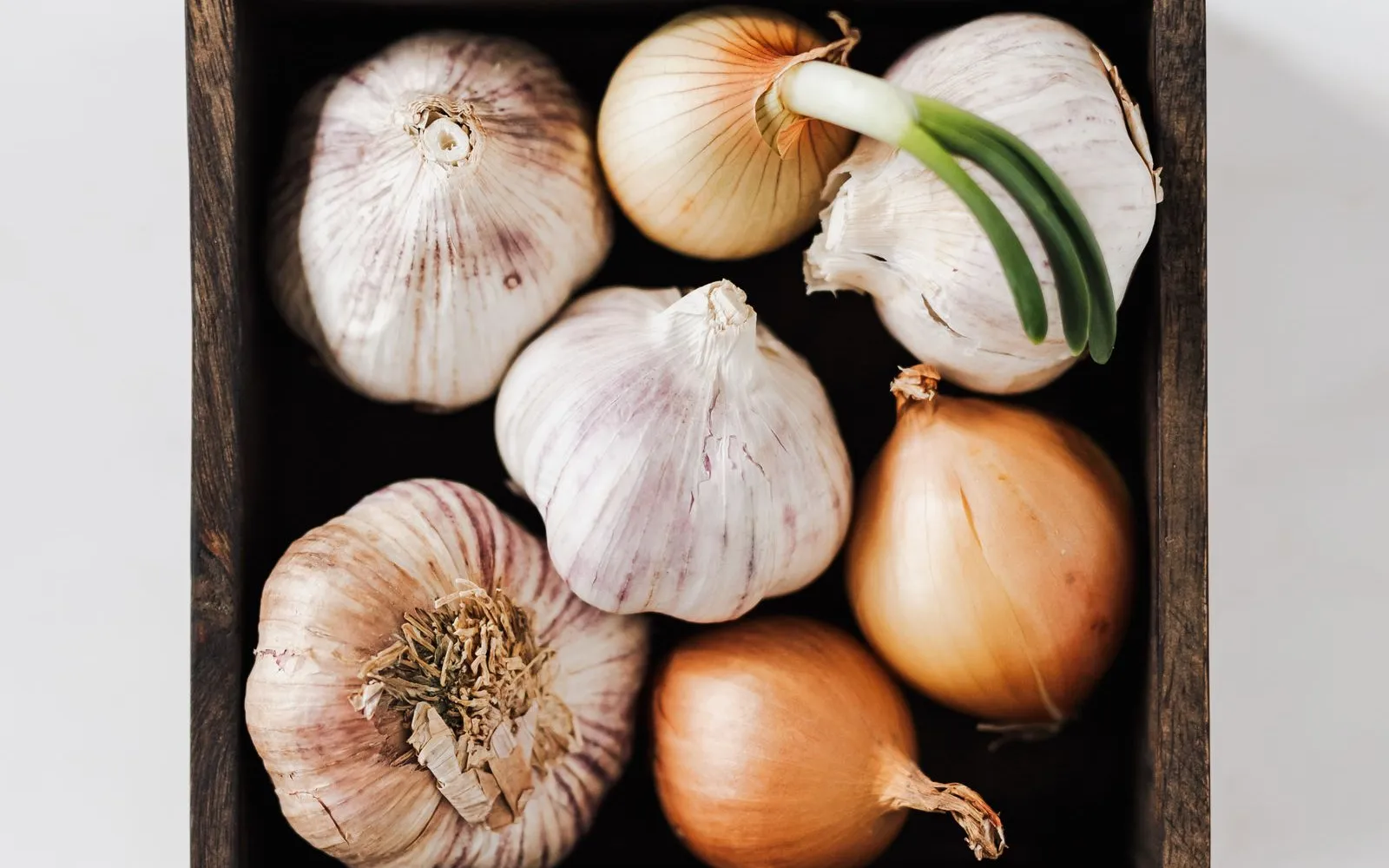
Food gives you prebiotic fibre too. The BNF lists onions, garlic, leeks, artichokes, chicory root, asparagus, bananas, oats, beans and lentils.
Most adults eat about 20 g of fibre a day. The NHS wants 30 g. It says to get fibre from a variety of sources, so a powder on its own is not enough.
Six NHS ways to add fibre this week
- Have porridge or a plain wholewheat cereal for breakfast.
- Choose wholemeal bread, wholewheat pasta or brown rice.
- Eat potatoes with their skins on.
- Add beans, lentils or chickpeas to stews, curries and salads.
- Snack on fruit, vegetable sticks, oatcakes or unsalted nuts.
- Stir some wheat bran, oats or linseed into your meals.
Sources: NHS: more fibre; NHS: constipation
On labels, prebiotics show up as chicory fibre, inulin, FOS or GOS. For more ideas, see high-fibre foods, how much fibre you need and psyllium husk.
When to speak to a GP
The NHS says to see a GP if you:
- are constipated and it’s not getting better with treatment, or you’re often constipated or bloated
- have blood in your poo, have lost weight without trying, or feel tired all the time with constipation
- notice sudden changes in how you poo, or have tummy pain
- take a medicine that causes constipation, such as opioid painkillers
- have IBS and diet changes and pharmacy medicines are not helping
Never stop or change a prescribed medicine without your prescriber.
Ask for an urgent GP appointment or call 111 if your poo is black or dark red, or you have bloody diarrhoea.
Call 999 or go to A&E if you’re bleeding non-stop from your bottom, or there’s a lot of blood or large clots when you poo.