Does a low fat diet plan help weight loss?
Yes, if it cuts your calories too. In a year-long trial, low fat dieters lost 5.3 kg on average, close to low carb. But a “reduced fat” label can still mean a high fat food.
On this page
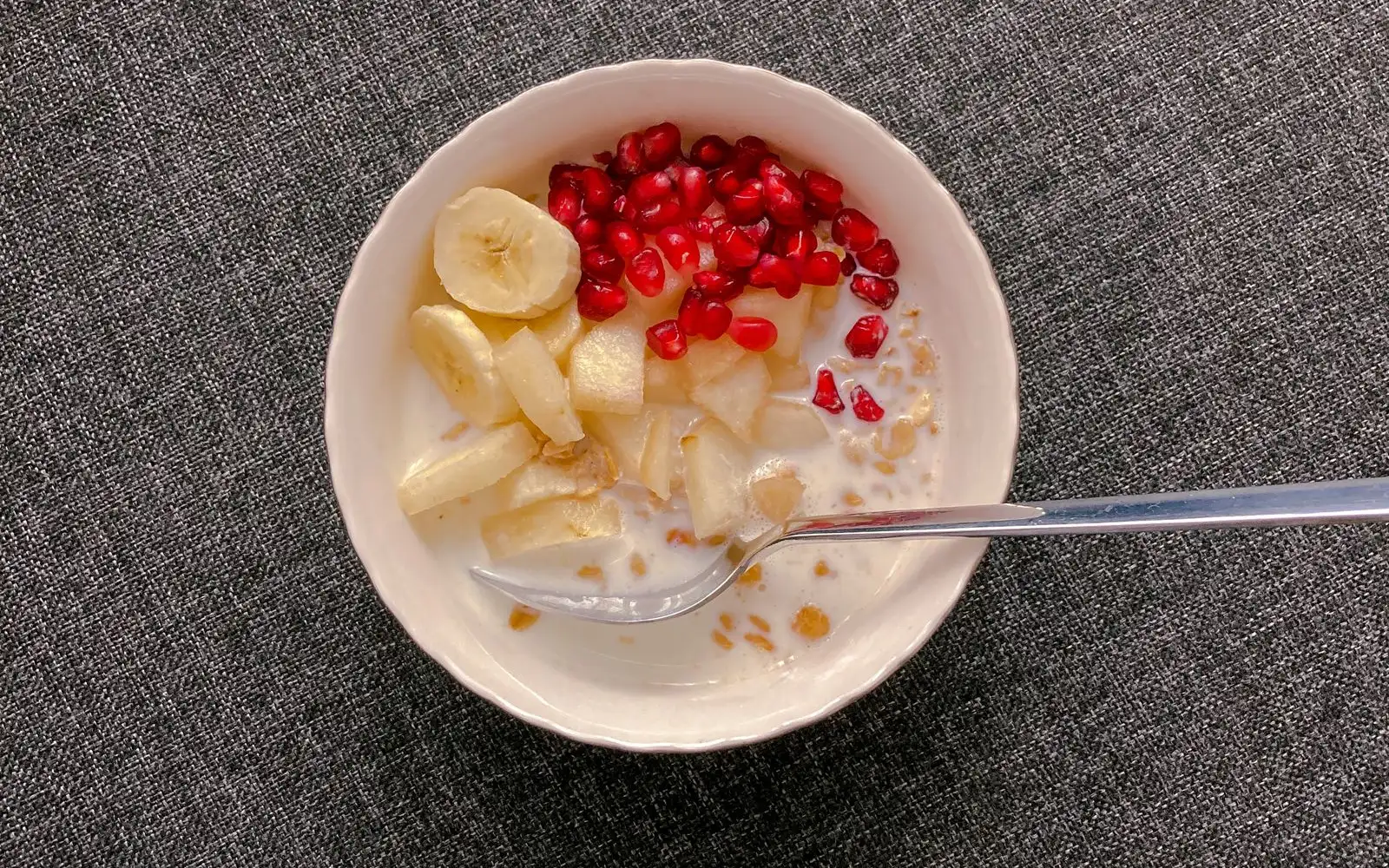
Does a low fat diet help you lose weight?
Yes, as long as you end up eating fewer calories than you use. NICE says a low-fat diet is one way to do that.
Fat is the easiest place to find calories. A gram of fat has 9 calories, against 4 for carbs or protein.
The DIETFITS trial put 609 adults on a healthy low fat or low carb diet for a year. All were aged 18 to 50, did not have diabetes, and had a BMI (a weight-for-height score) of 28 to 40.
Source: Gardner 2018 (DIETFITS)
Low fat didn’t mean no fat. That group still got 29% of its calories from fat. A review of 48 trials found low fat and low carb did about equally well after a year.
Even people not trying to lose weight weighed about 1.5 kg less after eating less fat, in a review of 32 trials.
Pick the diet you can keep to. Compare the options in the best diet to lose weight.
How much fat is low fat?
On a label, low fat means 3 g of fat or less per 100 g, or 1.5 g or less per 100 ml for drinks. High fat is more than 17.5 g. Front-of-pack colours follow the same lines: green, amber or red.
- 3 g per 100 g or belowLow fat (green).
- Above 3 up to 17.5 g per 100 gMedium (amber).
- Above 17.5 g per 100 gHigh fat (red).
Sources: NHS: fat; NHS: food labels
For a whole day, labels use 70 g of fat as the adult reference, on 2,000 calories. That’s a yardstick for reading packs, not a limit.
Saturated fat (the kind in butter, fatty meat and cheese) has a real limit. The government says men should eat no more than 30 g a day, and women no more than 20 g.
A small amount of fat is an essential part of a healthy diet. It helps your body take in vitamins A, D and E. For the fats worth keeping, see healthy fats.
What does a low fat diet plan look like for a day?
Something like this. It’s an example, not a set calorie target. We worked out each meal from the UK government food tables.
| Meal | What to eat | Fat and calories |
|---|---|---|
| Breakfast | 50 g porridge oats made with 200 ml skimmed milk, and a banana | 4.8 g fat, 340 kcal |
| Lunch | Baked potato with 100 g tuna in brine, lettuce and cucumber | 1.7 g fat, 296 kcal |
| Snack | 2 slices wholemeal bread with 50 g reduced fat cottage cheese | 2.8 g fat, 208 kcal |
| Dinner | 100 g grilled chicken breast, no skin, with 200 g brown rice and broccoli, cooked in 2 teaspoons (10 g) rapeseed oil | 14.7 g fat, 544 kcal |
| Evening | An apple and 150 g plain low fat yoghurt | 2.0 g fat, 137 kcal |
Over a third of the day’s fat comes from the cooking oil. That’s on purpose. Rapeseed and olive oil are the fats to keep, in small amounts.
Women use around 2,000 calories a day and men around 2,500. Hungry? Add potatoes, rice, fruit or vegetables before fat.
To set your own number, try the calorie deficit calculator.
Why can a reduced fat food still be high in fat?
Because of the 30% rule. “Reduced fat”, “lower fat” and “light” only mean at least 30% less fat than the usual version.
So a high fat food can stay high fat. The NHS gives lower fat mayonnaise as an example. It has 30% less fat and is still high in fat.
Half fat Cheddar is another. It has 15.8 g of fat per 100 g, against 34.9 g for regular. That’s amber, close to red.
Calories can catch you too. In some lower fat foods, the fat is replaced with sugar. So read the fat, sugar and calories per 100 g, not the claim on the front.
Which low fat swaps make the biggest difference?
The ones that change how food is cooked. Frying and skin add more fat than most people expect.
| Swap this | For this | Fat per 100 g |
|---|---|---|
| Cod in batter, fried | Baked cod | 17.9 g to 0.5 g |
| Cheddar | Half fat Cheddar | 34.9 g to 15.8 g |
| Beef mince | Extra lean beef mince | 13.5 g to 4.2 g |
| Greek style yoghurt | Plain low fat yoghurt | 10.2 g to 1.0 g |
| Chicken breast with skin | Chicken breast, no skin | 6.4 g to 2.2 g |
| Oven chips | Baked potato | 4.9 g to 0.2 g |
| Whole milk | Skimmed milk | 3.6 g to 0.3 g |
Six low fat habits to start this week
- Grill meat rather than frying it, and don’t add extra fat or oil.
- Take the skin off chicken and turkey, and cut visible fat off meat before cooking.
- Use beans, peas or lentils in place of some meat. They’re low in fat.
- Swap to 1% fat or skimmed milk, but not as a main drink for children under 5.
- Use plain lower fat yoghurt or fromage frais in place of cream.
- Aim for at least 2 portions of fish a week, 1 of them oily, such as salmon or mackerel.
Sources: NHS: meat; NHS: dairy; NHS: Eatwell Guide
These swaps matter for your heart too. Too much fat, especially saturated fat, can raise your cholesterol. For that goal, see the low cholesterol diet plan.
When to speak to a GP
The NHS says to see a GP if your BMI is in the overweight or obese range and:
- You want help to lose weight, or your waist is more than half your height.
- You have pre-diabetes, diabetes, high blood pressure, joint pain, high cholesterol, sleep apnoea (when your breathing stops and starts while you sleep) or heart disease, or obesity runs in your family.
- You have, or think you may have, an eating disorder, such as binge eating.
See a GP if you keep losing weight without changing your diet or exercise. Go as soon as possible if you have other symptoms too.
A diet high in fat and low in fibre makes gallstones more likely, and so does losing weight quickly. Get an urgent GP appointment or call 111 if tummy pain lasts longer than 30 minutes.
Call 999 or go to A&E if you have sudden, severe tummy pain, or pain that spreads to your back while being sick. The same goes for a very high temperature, feeling hot, cold or shivery, or yellow skin or eyes.