Lower back stretches you can do at home
Start with knee hugs, knee rolls and cat and camel. But no single stretch is the secret. In a US trial, plain stretching classes helped long-term back pain as much as yoga.
On this page
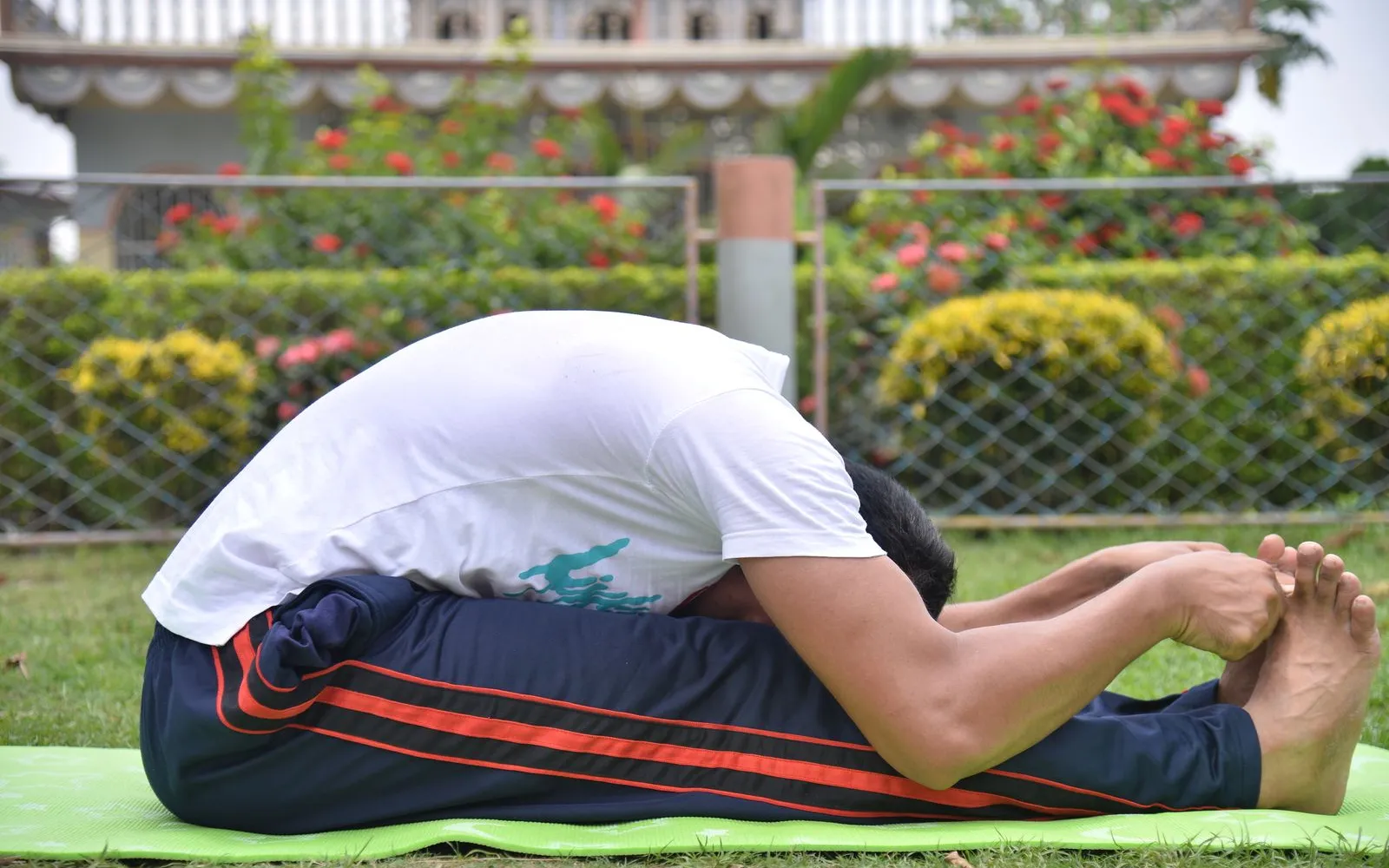
What are the best lower back stretches?
The gentle floor stretches NHS physios hand out. Start with knee hugs, knee rolls and cat and camel. You need no kit, just a mat or a carpet.
The six below come from physio sheets at Addenbrooke’s Hospital in Cambridge and Leicestershire NHS.
| Stretch | How to do it | Tip |
|---|---|---|
| Knee hugs | Lie on your back. Use your arms to pull your knees towards your chest. | Hold about 15 to 30 seconds. Feel it in your back and around your bottom. |
| Knee rolls | Lie on your back, knees bent and together, arms out. Roll your knees to one side, shoulders on the floor. | Hold about 15 to 30 seconds. Turn your head the other way, then swap sides. |
| Cat and camel | On hands and knees, arch your upper back up like a camel’s hump and tuck your head. Then sink your back down and lift your head. | Move between the two. Keep breathing. |
| Back extension | Lie face down on your forearms and press your hips into the floor. Lift your upper back. | Keep your hips and legs relaxed. For more, straighten your arms. |
| Bottom stretch | Lie on your side with the bottom leg straight. Bring your top knee towards your chest. | Hold about 15 to 30 seconds, then swap sides. |
| Hamstring stretch | Sit with your legs out in front. Lean forward and reach towards your toes. | Hold about 15 to 30 seconds. Feel it at the back of your thighs. |
Sources: Cambridge University Hospitals NHS; Leicestershire Partnership NHS
Tight lower back and hips? Knee hugs and the bottom stretch reach both. For more hip moves, see our hip mobility guide.
Try the first three today.
How long should I hold back stretches, and how often?
Hold each still stretch for about 15 to 30 seconds, the Leicestershire NHS physios say. Don’t hold your breath.
The NHS suggests flexibility moves at least twice a week. Build up slowly, adding a few more repeats over time.
A short stretch session
- 1
Start easy
Work at a level that feels comfortable. Keep breathing.
- 2
Hold
Hold each still stretch for about 15 to 30 seconds.
- 3
Build up
At least twice a week, adding repeats over time.
- 4
Stop if worse
Stop if your pain gets worse and see a GP.
Sources: Leicestershire Partnership NHS; NHS; NHS: back pain
Want to stretch the rest of you too? Our full body stretching routine takes in your back, and our upper back stretches cover the top half.
Do exercises for lower back pain actually work?
Probably, for pain that has lasted over 12 weeks. A review of 249 trials found exercise probably eases pain by about 15 points out of 100, compared with no treatment, usual care or a dummy treatment.
Picture a pain of 7 out of 10 easing to about 5.5. The gain in day-to-day function was small. Side effects were mostly minor, such as sore muscles.
Does the type matter? In a US trial of 228 adults with long-term low back pain, yoga did no better than 12 weekly stretching classes. Yoga beat a self-help book, and the gains lasted at least several months.
So no single stretch is the secret. NHS physios say it’s essential to choose something you enjoy. Walking, swimming, yoga and Pilates may also help. Pick one you’ll keep doing.
Do core exercises help lower back pain?
No more than other exercise. NHS physios at Addenbrooke’s say Pilates or core exercises are no better for back pain than any other form of exercise.
Your spine needs only a little tummy and back muscle effort to stay steady. All types of exercise use about the same amount. If you enjoy Pilates and it helps, carry on. Our Pilates at home guide shows you how to start.
Want a stronger back? Bridges and rows sit in our back strengthening guide. For a flare-up, ask your GP or physio about an NHS group exercise class chosen to suit you. NICE says not to offer back belts or corsets.
What else helps a sore lower back at home?
Back pain usually improves within a few weeks, but it can last longer or keep coming back. The NHS gives these steps.
Ease a sore lower back at home
- Stay active and keep up your daily activities. Don’t stay in bed for long.
- Try the stretches above. Stop if your pain gets worse and see a GP.
- For stiffness or muscle spasms, use a heat pack or hot water bottle wrapped in a tea towel.
- For pain and swelling, use an ice pack or frozen peas wrapped in a tea towel.
- Ibuprofen may help but isn’t suitable for everyone. Paracetamol on its own isn’t recommended for back pain, but it may be used with another painkiller.
- Not sure which painkiller suits you? Ask a pharmacist or GP.
Source: NHS
Never stop or change a prescribed medicine without your prescriber.
When to speak to a GP
Back pain: who to call
- 1
999 or A&E
Pain, tingling, weakness or numbness in both legs, loss of feeling around your genitals or bottom, or bladder or bowel changes.
- 2
Urgent GP or 111
You feel hot, cold, shivery or generally unwell, or severe pain starts suddenly or gets worse fast.
- 3
See a GP
No better after a few weeks at home, or it stops your daily life.
- 4
Keep moving
Otherwise stay active. Stop any stretch that makes the pain worse.
Source: NHS
Also call 999 for chest pain, changes in sexual feeling or function, or pain after a serious accident. Don’t drive yourself to A&E.
See a GP if your back pain:
- doesn’t improve after a few weeks of home care, or you’re worried about it or struggling to cope
- doesn’t ease with rest, or is worse at night
- is worse when you sneeze, cough or poo
- comes with weight loss you can’t explain, or a lump, swelling or change in your back’s shape
- is between your shoulders rather than in your lower back
In many areas you may be able to refer yourself to NHS physio without seeing a GP first.