Does meditation help with pain?
Yes, a little, for long-term pain. Reviews find a small drop, though the trials were not high quality. In one back pain trial, an 8-week course helped about as many as talking therapy.
On this page
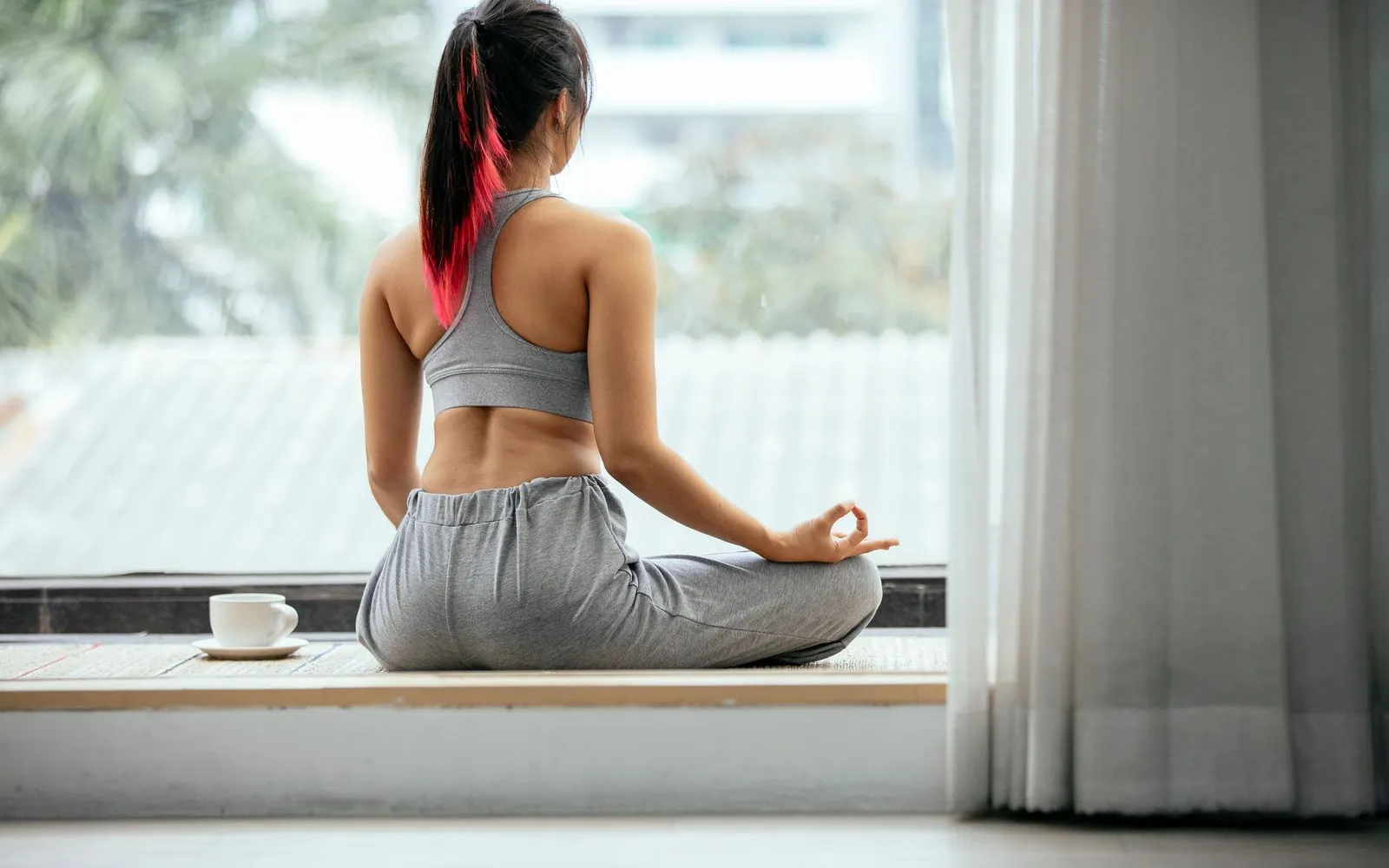
Does meditation help with pain?
Yes, a little, if your pain is long-term. Across 30 trials, mindfulness meditation was linked to a small drop in pain. The evidence was low quality, so the authors call for bigger, better trials.
Think of it as turning the volume down a notch, not switching the pain off. Will it take your pain away? Probably not.
It may make it a bit easier to live with.
| What was measured | What reviews found |
|---|---|
| Pain | A small drop across 30 trials. Low-quality evidence. |
| Low mood | Improved. |
| Quality of life | Improved. |
| Against medicines, exercise or other therapies | No evidence that meditation works better. |
Sources: Hilton 2017, Annals of Behavioral Medicine; Goyal 2014, JAMA Internal Medicine
A larger review looked at meditation for stress, and also measured pain. It found no evidence that meditation was better than medicines, exercise or other talking and habit therapies.
So use it alongside your usual pain care, not instead of it.
How do I meditate for pain?
Start with your breath. When pain is bad, it’s easy to take fast, shallow breaths. That can leave you dizzy, anxious or panicky.
The NHS says to breathe slowly and deeply instead. It can help you feel more in control and stop tense muscles making the pain worse.
A simple NHS meditation, step by step
- 1
Get comfortable
Sit somewhere warm. A chair or your bed is fine.
- 2
Breathe and say it
Breathe in and think “breathe in”. Breathe out and think “breathe out”.
- 3
Come back
Mind wandered 10 times? Bring it back to your breath 10 times.
- 4
Finish slowly
Keep your eyes closed for a couple of minutes, then get up.
Source: NHS Every Mind Matters
The NHS calls 20 minutes a good guide. If sitting still hurts, start with less.
More tips are in meditation for beginners.
It doesn’t suit everyone. The NHS says some people find mindfulness doesn’t help or makes them feel worse.
In one large review, 8.3% of people had unwanted effects, most often anxiety or low mood. This can happen even with no past mental health problems.
Feel worse after a session? Stop, and try another way to unwind from relaxation techniques.
Does meditation help back pain?
It did in one large trial. 342 US adults with long-term low back pain got an 8-week course, CBT or their usual care.
CBT is a talking therapy. Here it trained people to change how they think and act around pain.
That course is MBSR, mindfulness-based stress reduction. It mixed meditation and yoga in 8 weekly 2-hour group classes.
Source: Cherkin 2016, JAMA
“Much less bothered” means a drop of 30% or more. People on MBSR could also do more day to day. Both gains held with little change at a year.
Only just over half went to 6 or more classes. And it’s one trial in back pain, so it may not apply to every kind of pain.
Got long-term back pain? Pair meditation with back exercises. To find a course, see our MBSR guide.
Can I get meditation for pain on the NHS?
Sometimes, as part of wider pain care. The NHS says to ask a GP first. There may be relaxation or meditation classes near you, or at your local hospital’s pain clinic.
NICE, which advises the NHS, looked at long-term pain that no other condition fully explains. It found not enough evidence to recommend mindfulness, though what there was suggested it may help.
For people 16 and over, NICE says to offer a supervised group exercise programme. It says to consider two talking therapies: CBT for pain, or ACT. ACT stands for acceptance and commitment therapy.
How NHS help for long-term pain usually works
- 1
See a GP
Struggling with pain for more than 12 weeks? Start here.
- 2
Day-to-day help
You may get advice on staying active and self-help ways to manage pain.
- 3
Pain clinic
Ask for a referral if your pain is hard to manage.
- 4
Group programme
Sessions may include gentle exercise, relaxation and mindfulness.
Source: NHS
A pain management programme aims to improve your life despite your pain, rather than cut the pain itself.
The NHS says painkillers are generally not the main way to manage long-term pain. Never stop or change a prescribed medicine without your prescriber.
What else eases pain alongside meditation?
Six NHS ways to ease long-term pain this week
- When pain spikes, breathe slowly and deeply, not fast and shallow.
- Practise a relaxation technique, such as breathing or meditation, regularly.
- Build up gentle activity, like walking, swimming or gardening, a little at a time.
- Go to bed and get up at the same times, and skip daytime naps.
- Get stuck into a hobby you enjoy, so pain isn’t the only thing on your mind.
- Keep in touch with friends and family, and talk about things other than your pain.
Source: NHS: 10 ways to reduce pain
Worried that moving will do harm? The NHS says that if you become more active gradually, it’s unlikely you’ll cause any damage.
Poor sleep can make pain worse. For a routine that sticks, see sleep hygiene.
When to speak to a GP
Meditation is something you can try yourself. It doesn’t replace a check-up. See a GP if:
- You’ve been struggling with pain for more than 12 weeks.
- Your pain is hard to manage. Ask about a referral to a pain clinic.
- Your sleep problems keep going.
- You’ve had a low mood for more than 2 weeks.
- You need urgent help for your mental health, but it’s not an emergency. Call 111 or ask for an urgent GP appointment. Call 999 or go to A&E if someone’s life is at risk or you don’t feel you can keep yourself or someone else safe.
Need to talk to someone now? Samaritans are free on 116 123.
For more ways to calm a busy mind, see how to reduce stress.