Natural caffeine: guarana, cacao and kombucha
It’s the same caffeine. Natural or added, it’s an identical molecule, so it counts toward the same daily limit. And on some supplements, one natural ingredient adds caffeine that isn’t listed as caffeine.
On this page
Is natural caffeine different from added caffeine?
No. Natural and synthetic caffeine are chemically identical molecules, researchers testing guarana write.
Think of water from a spring or a tap. It’s the same water, in a different bottle. So natural caffeine counts the same toward your day.
For most adults, GOV.UK says up to 400 mg a day is unlikely to cause harm. That covers caffeine from every source, natural or not.
| Source | Caffeine | Where the figure comes from |
|---|---|---|
| Mug of coffee | About 100 to 140 mg | GOV.UK. It can vary widely. |
| Mug of tea, black or green | About 75 mg | GOV.UK and NHS. |
| 50 g bar of plain dark chocolate | Less than 25 mg | NHS. |
| 50 g bar of plain milk chocolate | Less than 10 mg | NHS. |
| Kombucha, 330 ml | About 5 to 37 mg | Tests of 9 US shop kombuchas. |
| Dried guarana seed, 1 g | About 20 to 60 mg | Seeds are 2 to 6% caffeine. |
Sources: GOV.UK; NHS; Nutrients 2022; J Agric Food Chem 2026
Before you add a natural energy drink, add up what you’ve had already today.
How much caffeine is in guarana?
A lot for its size. Guarana seeds hold 2 to 6% caffeine by dry weight. The researchers say that’s higher than coffee and tea.
Guarana is that hidden ingredient. GOV.UK warns some supplements contain it without listing caffeine on the pack. Kola nuts and some tea leaves add caffeine too.
“Natural” on the front isn’t proof either. Adding synthetic caffeine to guarana powders sold as natural is a recurring fraud, the same study found.
How to find hidden caffeine on a label
- Look for guarana, kola nut or tea extract in the ingredients.
- Check the caffeine per serving before you buy.
- Skip supplements over 200 mg of caffeine a serving, or 400 mg across a day.
- On drinks other than coffee or tea, “High caffeine content” means over 150 mg per litre, from any source.
- Use the scoop provided, and never eat powders dry.
- On supplement days, cut back on tea, coffee, chocolate and energy drinks.
Sources: GOV.UK; Food labelling law
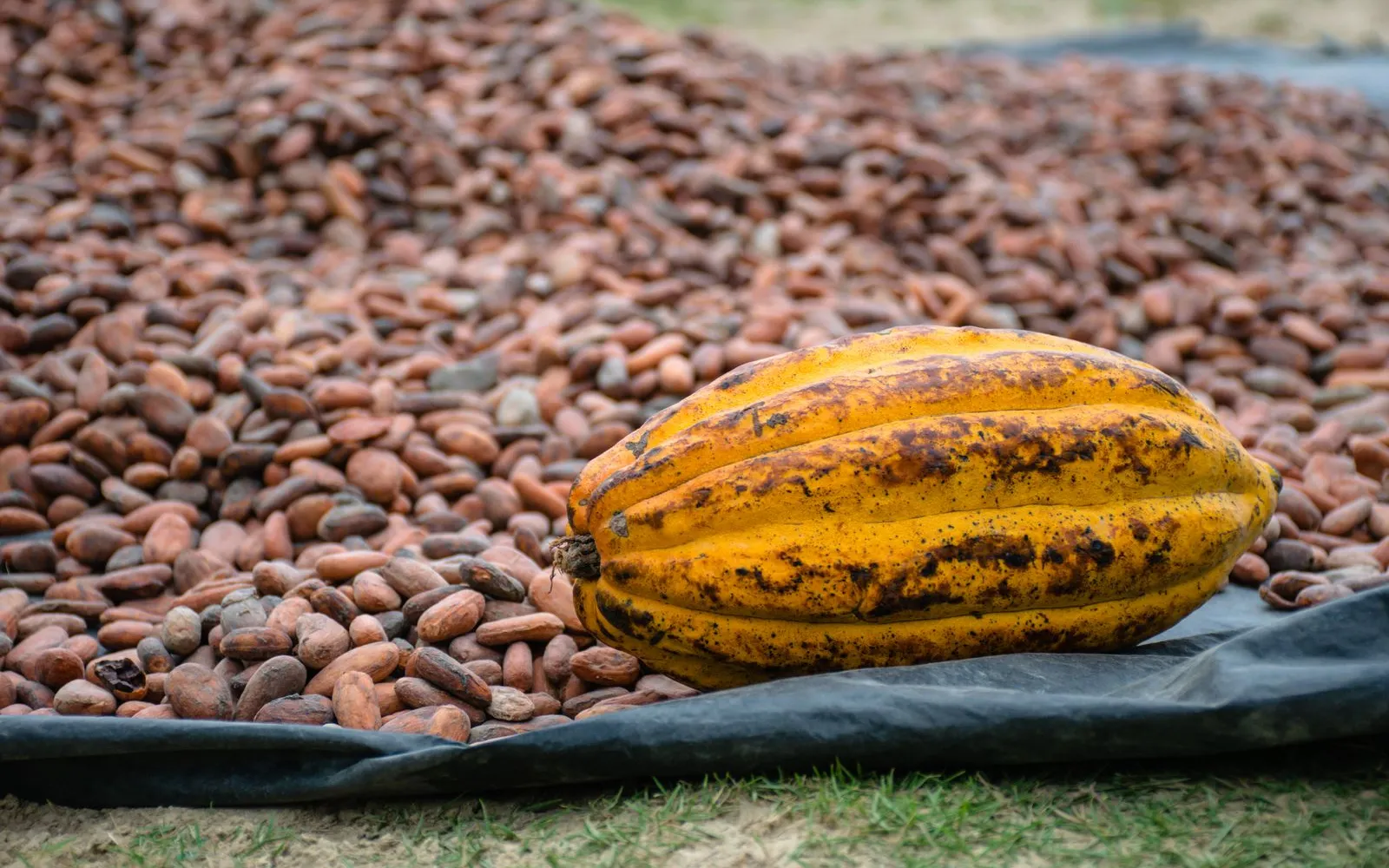
Does cacao or chocolate have caffeine?
Yes, but not much. The NHS puts a 50 g bar of plain dark chocolate at less than 25 mg, and milk chocolate at less than 10 mg.
The darker the bar, the more you get. In tests of 63 chocolates, caffeine rose with the cocoa share.
In chocolate, caffeine is outnumbered by a related natural chemical called theobromine. It usually comes at 3 to 10 times the amount.
Count chocolate toward your daily caffeine, especially if you’re pregnant. The NHS lists it alongside tea and coffee.
How much caffeine is in kombucha?
Usually a little. Kombucha is a fermented tea drink, so its caffeine comes from the tea.
Nine US shop kombuchas held 15 to 113 mg per litre. That’s about 5 to 37 mg in a 330 ml bottle, less than a mug of tea.
The highest had green coffee bean extract added. So read the ingredients for coffee, guarana or extra tea extract.
Drinking it for your gut? See what the evidence says on fermented foods.
How much caffeine is too much in a day?
For healthy adults, EFSA says single doses up to 200 mg don’t raise safety concerns. Across a day, the line is 400 mg for most adults. Effects can hit harder, and at lower doses, if you’re sensitive to caffeine or have heart disease or high blood pressure.
Pregnant? The NHS says no more than 200 mg a day. Too much has been linked to a higher chance of miscarriage and stillbirth.
- 200 mg or belowWithin the NHS pregnancy limit of 200 mg.
- Above 200 up to 400 mgUnlikely to harm most adults. Over the pregnancy limit.
- Above 400 to just under 1200 mgOver 400 mg a day.
- 1200 mg or aboveGOV.UK: serious effects seen around 1,200 mg.
High levels can cause anxiety, poor sleep, agitation, palpitations, diarrhoea and restlessness. If you have a mental health condition, psychosis (losing touch with what is real) can get worse.
Some pain relievers and weight loss pills contain caffeine too, so read the leaflet. Never stop or change a prescribed medicine without your prescriber.
How a caffeine boost plays out
- 1
15 to 30 minutes
Effects may begin.
- 2
A number of hours
Effects may last.
- 3
Close to bed
Even 100 mg may affect sleep in some adults.
- 4
6 hours before bed
NHS sleep tip: skip tea and coffee from here.
Want the boost without the bad night? Have it early. See when to stop caffeine for sleep and how much caffeine is in coffee.
When to speak to a GP
Caffeine is a common cause of palpitations, when your heartbeat feels fast, pounding, fluttery or irregular. See a GP if you feel well but:
- Palpitations keep coming back, or are happening more often.
- They last longer than a few minutes.
- You have a heart condition, or heart problems run in your family.
Call 999 or go to A&E if palpitations don’t go away, or come with chest pain, shortness of breath, or feeling faint or fainting. If you had these symptoms but they’ve stopped, ask your GP surgery for an urgent appointment, or call 111.
Cutting caffeine can help if palpitations aren’t caused by a health condition. See blood tests for palpitations, or what causes low energy if you’re tired even with caffeine.