Is a PQQ supplement worth taking?
Probably not, for energy. In a trial that tested fitness, men on PQQ got no fitter than men on a dummy pill. The memory trials look better, but check who ran them.
On this page
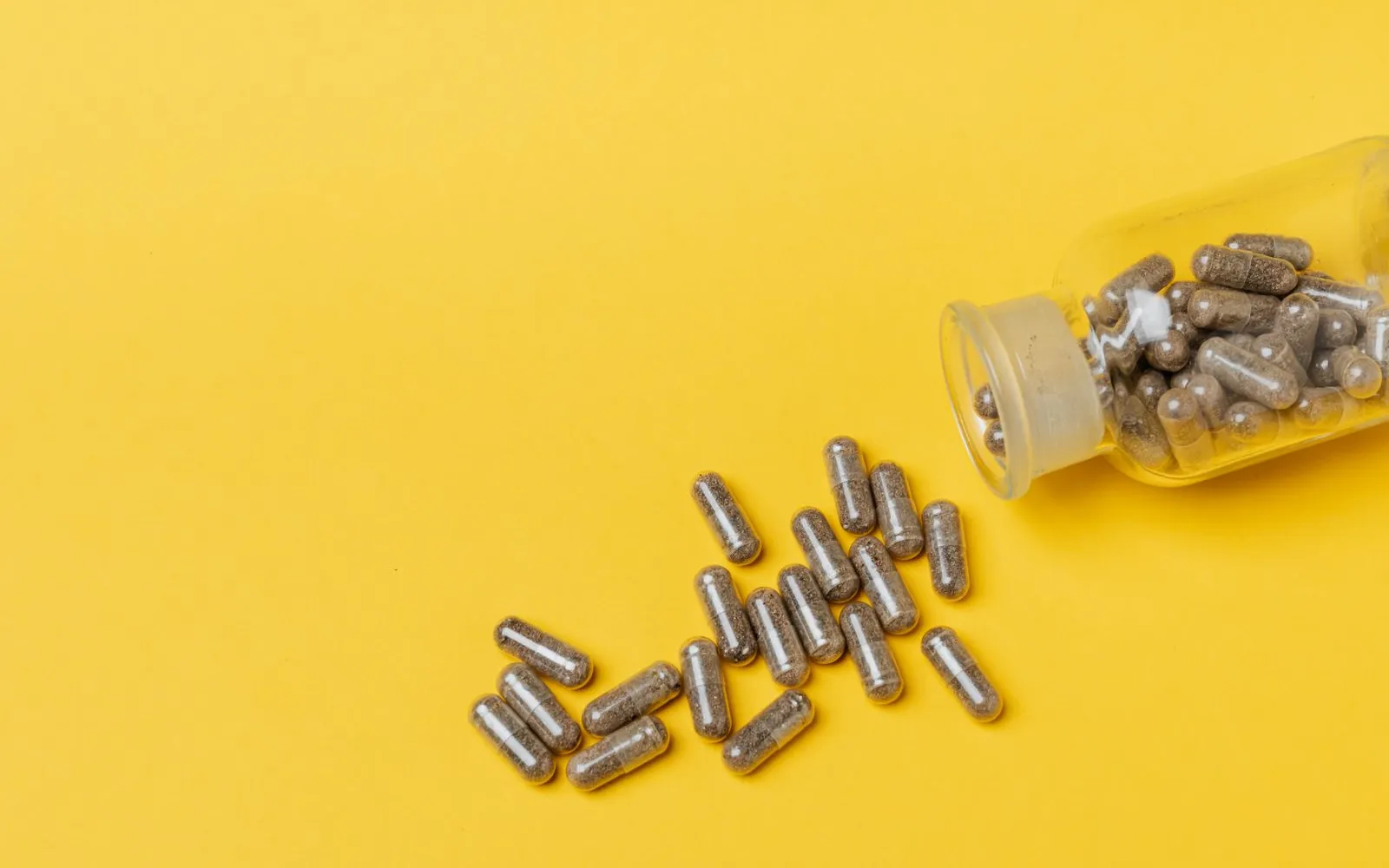
What is PQQ, and does it give you energy?
PQQ is short for pyrroloquinoline quinone. It’s already in your food in tiny amounts, in things like spinach, parsley, potato, tofu, milk and eggs.
A 20 mg capsule gives you at least 250 times more than food does. More isn’t the same as better, though.
In a fitness trial, 23 untrained men took 20 mg a day or a dummy pill for 6 weeks while training. Both groups got fitter. PQQ didn’t seem to add anything to fitness or body fat.
| Reason | What trials found | Source |
|---|---|---|
| More energy and fitness | No extra gain over a dummy pill in 23 men. | Hwang 2020 |
| More mitochondria (cell power units) | A marker rose. Fitness gains were no bigger. | Hwang 2020 |
| Memory | Gains in 2 trials led by company staff. | Tamakoshi 2023, Shiojima 2022 |
| Sleep and mood | Only one open trial, reported by the maker’s staff. | Ikemoto 2024 |
Sources: Hwang 2020; Tamakoshi 2023; Shiojima 2022; Ikemoto 2024
Buying it for energy? The evidence doesn’t back it. A similar story applies to CoQ10 for tiredness.
Does PQQ help your mitochondria?
Mitochondria are the tiny parts of each cell that turn food into energy. PQQ labels often say it helps you grow new ones.
In the fitness trial, men on PQQ had more of a protein called PGC-1α. It’s a signal linked to making new mitochondria. But nobody counted mitochondria.
Think of it as a builder’s order form. It shows work was asked for. It doesn’t show a stronger house, and here it came out no stronger than next door’s.
Another study gave PQQ to just 10 people for about 3 days. Blood signs of inflammation (the body’s swelling and repair response) fell, and urine tests hinted at busier mitochondria. That’s far too small and short to tell you much.
Curious how mitochondria are checked? See mitochondrial health blood tests.
Does PQQ help memory or sleep?
Memory is where PQQ looks best. In one trial, adults aged 20 to 65 took 20 mg a day for 12 weeks. They did better than a dummy pill group on memory tests.
In another, 58 healthy people aged 40 to 79 finished 12 weeks on PQQ or a dummy pill. The PQQ group scored better on memory and attention.
Here’s who ran them. Both trials were led by researchers employed by companies.
One of them, Mitsubishi Gas Chemical, makes PQQ.
That doesn’t make the results wrong. It does mean they need repeating by someone with nothing to sell.
For sleep and mood, there’s only an open trial. Everyone knew they were taking PQQ, so hope alone could explain the result.
Comparing options for memory? See supplements for brain and memory.
Is PQQ safe, and how much should you take?
The EU food safety body, EFSA, judged one form of PQQ safe for healthy adults at up to 20 mg a day. That excludes pregnant and breastfeeding women. It’s not meant for children.
EFSA also said little is known about how the body handles PQQ. The human studies it saw lasted 24 weeks at most and weren’t designed to check the kidneys.
Before you buy PQQ
- Pick your reason from the table above. If trials found no gain for it, skip PQQ.
- Check the label. Don’t take more than 20 mg a day.
- Pregnant or breastfeeding? Skip it, as the safety check didn’t cover you.
- Don’t give PQQ to children.
- On any medicine? Ask a pharmacist before adding a supplement.
Thinking of a mitochondria stack? Read CoQ10 and NAD and NMN first.
Tired all the time? What to try first
The NHS says most people should get the nutrients they need from a varied and balanced diet. It lists poor sleep, stress and an unhealthy lifestyle among common causes of tiredness.
Low on energy: what the NHS suggests before any supplement
- 1
Sleep
Keep the same sleep times and aim for 6 to 9 hours.
- 2
Move and eat well
Have a healthy diet and exercise regularly.
- 3
Cut back
Don’t smoke or drink too much alcohol.
- 4
Still tired?
See a GP if it lasts a few weeks and you’re not sure why.
Source: NHS
A GP may suggest blood tests for anaemia, diabetes or an overactive thyroid. More in why am I always tired.
When to speak to a GP
The NHS says to see a GP if:
- You’ve felt tired for a few weeks and you’re not sure why.
- Your tiredness affects your daily life.
- You feel tired and have other symptoms, such as weight loss or mood changes.
- You’ve been told you make gasping, snorting or choking noises when you’re asleep.
Never stop or change a prescribed medicine without your prescriber. For supplements with stronger evidence, see which supplements are worth taking.