Rehydration drinks: what to drink when dehydrated
Water or squash, for most people. Being sick or got diarrhoea? Then you need salts and sugar back too. Pharmacy rehydration drinks are made for that. Sports drinks aren’t, and the gap is salt.
On this page
What is the best drink for dehydration?
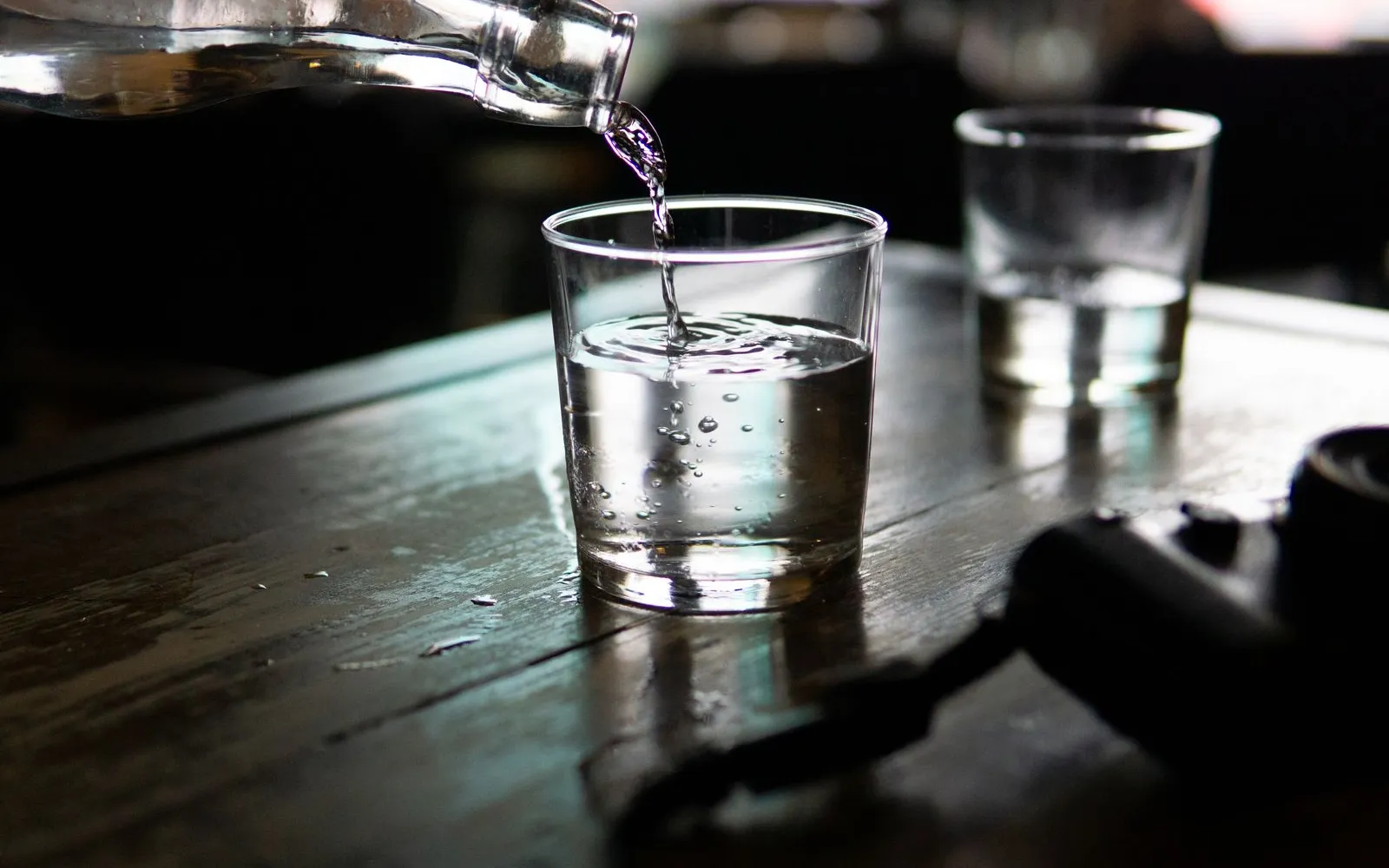
For most people, water. To keep your fluids up, the NHS says water or diluted sugar-free squash are good choices. Drink enough that your pee is pale.
Feel sick? Start with small sips, then slowly drink more. Skip caffeine and alcohol, as the NHS says both dehydrate you.
Being sick or got diarrhoea, and losing a lot of fluid? Then water alone isn’t the whole job. You also need to put back sugar, salts and minerals.
| Situation | Drink | Avoid |
|---|---|---|
| Hot weather or a sweaty workout | Water or diluted sugar-free squash | Caffeine and alcohol |
| Feeling sick | Small sips, then slowly more | Caffeine and alcohol |
| Diarrhoea or being sick, losing a lot of fluid | An oral rehydration solution (ORS) from a pharmacy | Fruit juice and fizzy drinks |
| Young child with diarrhoea or sickness | Usual breast or formula feeds, plus sips of rehydration solution | Fruit juice, fizzy drinks and weaker formula |
Sources: NHS: dehydration; NHS: diarrhoea and vomiting
Your next step: check the colour of your pee. Dark yellow means drink more.
What is ORS, and how is it different from a sports drink?
ORS means oral rehydration solution. It’s a powder you mix with water, often sold in sachets.
It has a set mix of salt and sugar. The sugar helps your gut take in the salt, and water goes with it.
| Per litre (mmol = amount dissolved) | ORS (WHO recipe) | Sports drink |
|---|---|---|
| Sodium (salt) | 75 mmol | 20 to 50 mmol |
| Potassium | 20 mmol | Not set by the rules |
| Sugar | About 13.5g of glucose | About 20 to 88g of carbohydrate |
Sources: Binder 2014; UK sports drink claim rules
That’s the gap. A sports drink can have under a third of the salt in ORS, and several times the carbohydrate.
In a UK trial in healthy men who weren’t dehydrated, ORS kept more fluid in than water. The sports drink did no better than water.
Stronger isn’t better, either. In children in hospital, a weaker ORS led to fewer drips, less diarrhoea and less vomiting than the older, saltier recipe. A drip is fluid given into a vein.
Your next step: losing fluid fast? Pick ORS over a sports drink.
How do you use ORS powder?
What to do when you’re losing fluid
- Drink lots of fluids, such as water or squash. Take small sips if you feel sick.
- Avoid caffeinated drinks and alcohol.
- Skip fruit juice and fizzy drinks. They can make diarrhoea worse.
- Losing a lot of fluid? Ask a pharmacist for an oral rehydration solution.
- Make it up exactly as the packet says.
- Drink enough that your pee is a pale colour.
Sources: NHS: dehydration; NHS: diarrhoea and vomiting; NICE CG84
Ask your pharmacist which solution is right for you or your child. Talk to them first if you’re older, have a weak immune system or have another condition that raises your risk.
How long will you need it? In adults and children, diarrhoea usually stops within 5 to 7 days. Vomiting usually stops in 1 or 2 days.
Take water tablets (diuretics)? They make you pee more, so dehydration can happen more easily. Never stop or change a prescribed medicine without your prescriber.
Your next step: ask your pharmacist which sachet suits you, and tell them about any medicines you take.
Do you need electrolytes, or just water?
Usually just water. Electrolytes are the salts and minerals in your body’s fluids. You mainly need to replace them when sickness or diarrhoea drains them fast.
A US review doesn’t recommend sports drinks, juice or fizzy drinks in place of ORS. It says they can be considered when dehydration is mild or absent.
In the UK, the NHS still says to skip fruit juice and fizzy drinks if you have diarrhoea.
Thinking of a daily sachet? Read do you need electrolyte drinks first.
For milk, fruit and other food sources, see natural sources of electrolytes. Rough after a night out? See electrolytes for a hangover.
Your next step: drink water, and keep ORS for a stomach bug.
What should children drink with diarrhoea or sickness?
Keeping a child’s fluids up
- 1
Keep feeding
Carry on breast or formula feeds. Try small amounts more often.
- 2
Sips of ORS
Give regular small sips of a rehydration solution your pharmacist recommends.
- 3
Usual food
Give small children their usual diet.
- 4
No juice or fizzy drinks
They can make diarrhoea or vomiting worse.
Sources: NHS: dehydration; NICE CG84
Don’t make formula weaker. A baby on formula or solid food can also have small sips of extra water. If they’re under 6 months, boil it and let it cool first.
For under-5s with a stomach bug who show signs of dehydration, NICE advises the weaker, low-osmolarity ORS. Give it often, in small amounts, and make it up as the packet says.
Your next step: call 111 if a child under 5 has signs of dehydration, such as fewer wet nappies.
When to speak to a GP
Get an urgent GP appointment or call 111 if you notice signs of serious dehydration:
- You feel unusually tired, or dizzy when you stand up and it does not go away. Or your child seems drowsy.
- Your pee is dark yellow or you’re peeing less than normal, or you’re breathing quickly or have a fast heart rate.
- Your baby has fewer wet nappies or a soft spot on their head that sinks inwards, or your baby or child has few or no tears when they cry.
Call 111 now if you’re worried about a baby under 12 months, or a child stops breast or bottle feeding while ill.
Also call 111 now if you’re 5 or over and still dehydrated after using rehydration sachets. The same goes if you keep being sick and can’t keep fluid down, or have bloody diarrhoea or bleeding from your bottom.
And call 111 now if diarrhoea lasts more than 7 days, or vomiting more than 2 days.
Call 999 or go to A&E if someone has signs of dehydration and blue, grey, pale or blotchy skin, lips or tongue. The same goes for cold skin, trouble breathing, lots of quick breaths, confusion, or being sleepier than normal or hard to wake.
Also call 999 for vomit with blood in it or that looks like ground coffee, or green vomit (yellow-green or green in children). The same goes for a stiff neck with pain in bright light, or a sudden, severe headache or tummy ache. Or if they may have swallowed something poisonous.
Had a blood test while you were dry? See dehydration and blood test results.