Thyroid and weight loss: what to eat
There’s no special thyroid diet. Once your levels are back to normal on treatment, losing weight works the same as for anyone. But if you take levothyroxine, when you eat matters too.
On this page
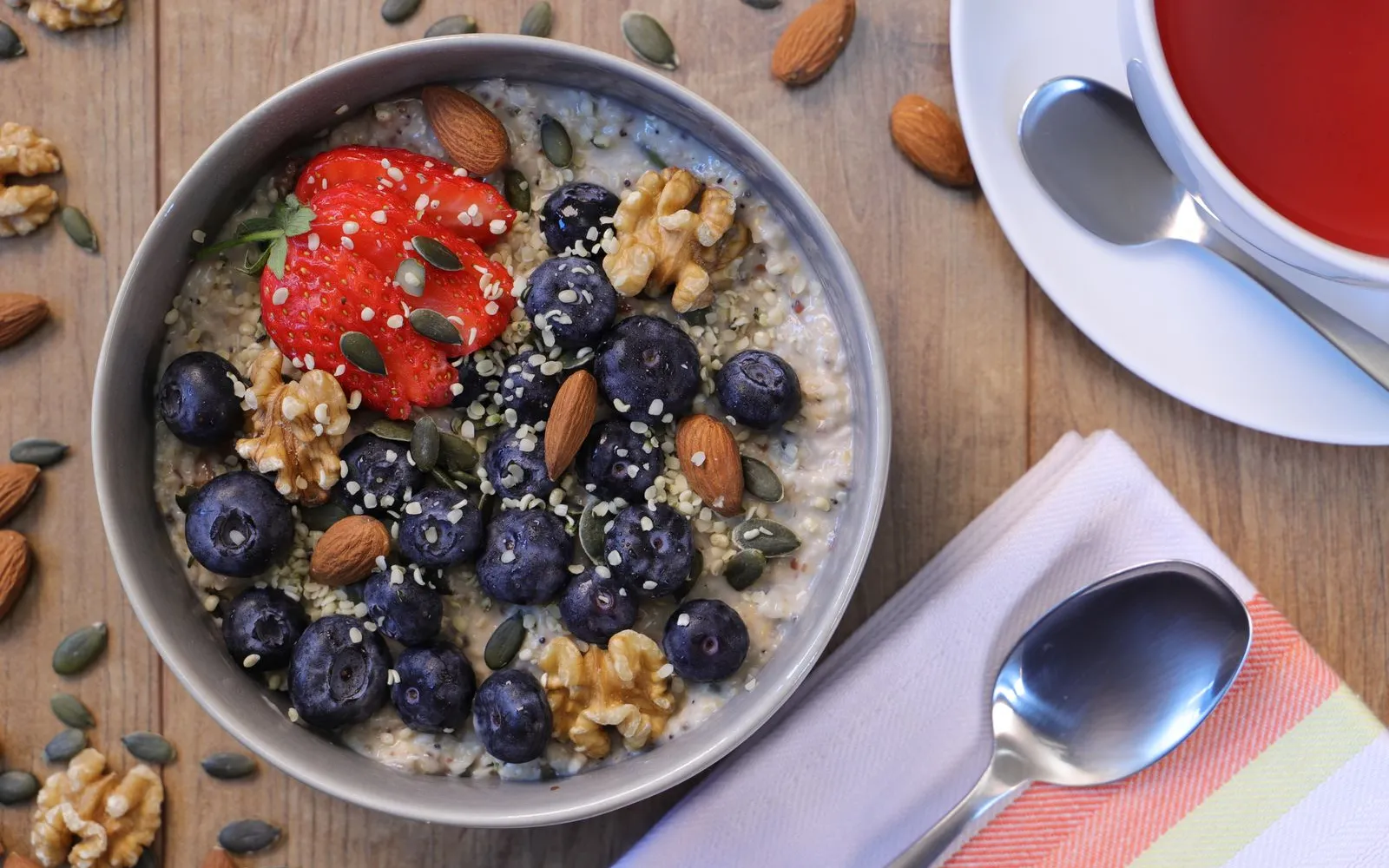
Is there a thyroid diet for weight loss?
No. The British Thyroid Foundation (BTF) says no specific foods or supplements can treat a thyroid disorder. It doesn’t give a set thyroid diet plan either, because no one plan suits everyone.
So weight comes off the way it does for anyone. You eat and drink fewer calories than your body uses.
Where your thyroid matters is before that. With an underactive thyroid, your body burns less energy at rest and can add some weight.
Treatment deals with that part. Food can’t.
| Stage | What usually happens to weight |
|---|---|
| Underactive, not treated | Some gain. In general up to 5 to 10 pounds, mostly salt and water. |
| Treatment starts | A small loss, usually under 10% of body weight. Often no big change. |
| Levels back to normal | Losing weight works the same as for anyone else. |
Not sure your levels are normal? Ask your GP for your latest results, and check them against our thyroid blood test guide.
How much weight is down to my thyroid?
Often less than people think. The BTF, citing the American Thyroid Association, says about 5 to 10 pounds may come from the thyroid. That’s about 2 to 4.5 kg, depending on how underactive it is.
Most of it is salt and water, not fat. Big weight gain is rarely caused by an underactive thyroid.
What usually happens to weight on treatment
- 1
Blood test
Checks TSH and T4, two hormones that show how well your thyroid is working.
- 2
Daily tablet
Levothyroxine replaces the hormone your thyroid can’t make.
- 3
Small drop
Usually under 10% of body weight. Often no big change.
- 4
Back to normal
Weight loss works the same as for anyone.
Is weight gain your only symptom? Then it’s less likely the thyroid is the whole cause. See other causes in unexplained weight gain.
Taking extra thyroid hormone isn’t the answer either. Any extra weight lost that way usually comes back once you stop, and you may lose muscle as well as fat. Never stop or change a prescribed medicine without your prescriber.
What should I eat to lose weight with an underactive thyroid?
The same balanced plate the NHS advises for everyone. The BTF points thyroid patients to the NHS Eatwell Guide.
Then eat a bit less than you use. On average, women use around 2,000 calories a day and men around 2,500. The NHS says to aim to lose 0.5 to 1kg a week.
Six habits to start this week
- Eat at least five portions of fruit and veg a day.
- Base meals on higher fibre starchy foods, like potatoes, bread, rice or pasta.
- Get protein from beans, pulses, fish, eggs or meat.
- Use unsaturated oils and spreads, like olive or rapeseed oil, in small amounts.
- Cut down on processed foods and sugar.
- Get active for 45 to 60 minutes a day. You can split it into shorter sessions.
Want meal ideas? Try our high-protein diet for weight loss, or work out how many calories to eat.
When should I eat if I take levothyroxine?
This is the timing that matters. Take your tablet on an empty stomach, 30 to 60 minutes before breakfast, tea or coffee, or any other medicine.
Some foods and pills stop your body taking it in properly. So keep them further apart.
| Food, drink or pill | Gap from your tablet |
|---|---|
| Breakfast, tea, coffee or other medicines | 30 to 60 minutes. Take the tablet first. |
| Calcium-rich foods and calcium pills | 4 hours. |
| Iron pills | 4 hours. Some multivitamins contain iron. |
| Soya | At least 4 hours. The BTF suggests avoiding it if you can. |
Milk counts. Semi-skimmed and skimmed milk are still high in calcium.
On a weight loss jab? The NHS lists semaglutide, antacids and omeprazole among medicines that may not mix well with levothyroxine.
Tell your doctor about every medicine and supplement you take. Never stop or change a prescribed medicine without your prescriber.
Should I avoid soya, cabbage or kelp?
Soya: keep it at least 4 hours from levothyroxine, as above.
Cabbage, kale and cauliflower: no need to cut them. You’d have to eat very high amounts before they affected your thyroid. The BTF says this isn’t normally a problem in the UK.
Kelp and sea moss: avoid. They’re high in iodine and sold as thyroid boosters, but the BTF says they may interfere with thyroid function.
Iodine pills: no need if you take levothyroxine, says the BTF. Too little iodine is rare in the UK. More in our iodine and thyroid guide.
Biotin (vitamin B7): found in some supplements, it can affect your thyroid tests. Tell whoever does your blood test. See thyroid supplements and TSH.
When to speak to a GP
Book an appointment if:
- You think you might have an underactive thyroid. Signs include tiredness, feeling cold, weight gain, constipation and low mood.
- You take levothyroxine and feel sick, have diarrhoea, headaches or problems sleeping. These can mean the wrong dose.
- You take levothyroxine and are pregnant or planning a pregnancy. Your dose is likely to change.
- Your BMI is in the overweight or obese range and you want help to lose weight, or your waist is more than half your height.
- Your BMI is in the overweight or obese range and you have, or think you may have, an eating disorder such as binge eating.
Call NHS 111 if you take levothyroxine and think you’re having serious side effects. These include a swollen throat or tongue, a raised itchy rash or trouble breathing, which are signs of an allergic reaction. Others are a high temperature, a fast or irregular heartbeat, feeling dizzy or faint, or yellow eyes and skin.
See also underactive thyroid symptoms.