Which drinks help you lose weight?
Water, plain tea, coffee and sugar-free drinks. No drink has good proof it burns fat. The win is what they replace: one can of cola can hold more sugar than an adult’s daily limit.
On this page
What are the best drinks for weight loss?
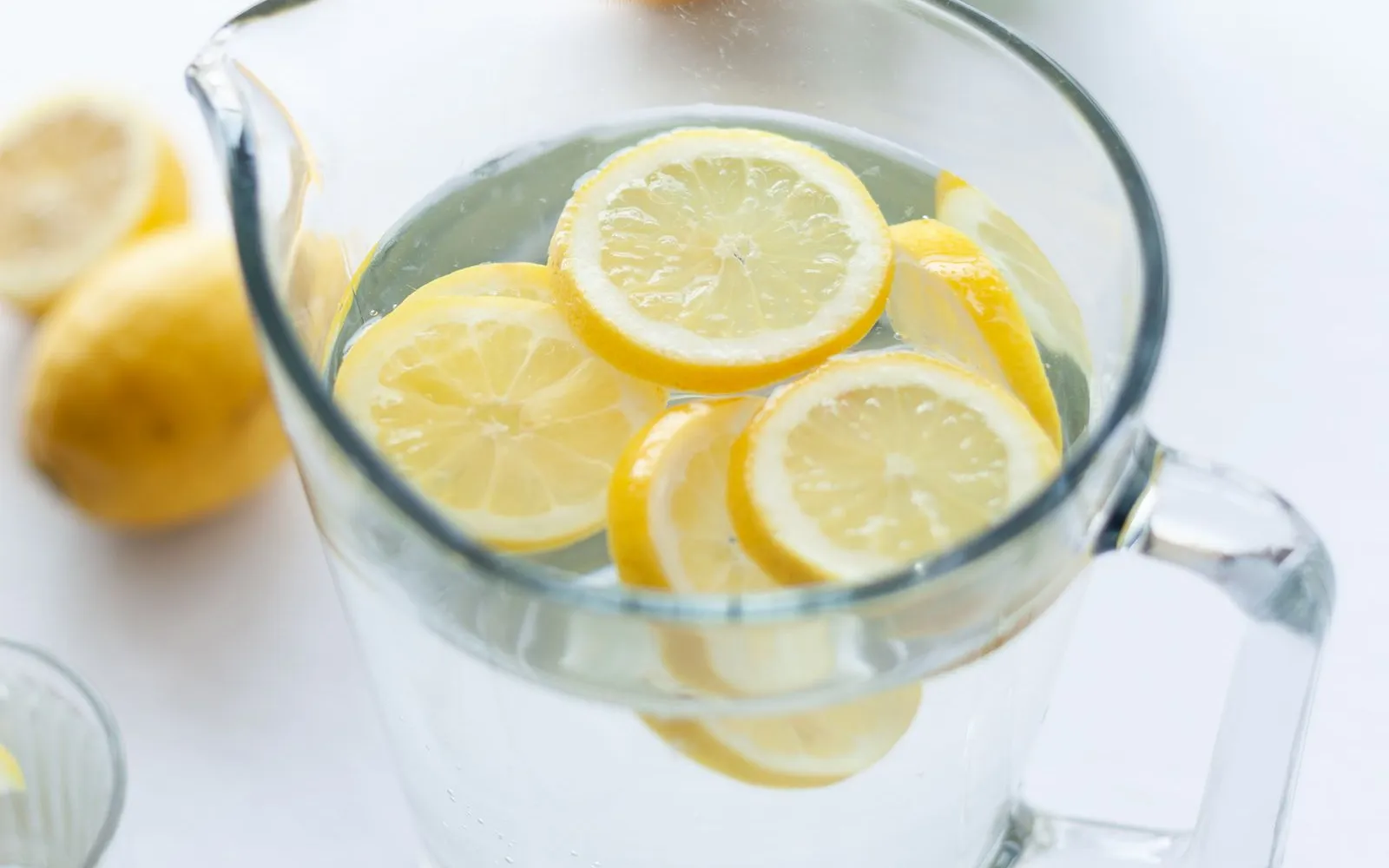
Water first. The NHS weight loss tips say to swap sugary drinks for water, with a slice of lemon or lime if you don’t like the taste.
Plain tea and coffee, lower-fat milk and sugar-free drinks all count towards your 6 to 8 glasses a day. Sugary drinks are higher in calories.
Source: NHS
That’s the swap that counts. Trade one daily can of cola for water and you cut up to 9 cubes of sugar a day.
Free sugars are sugars added to food or drink, plus the sugar in honey, syrups and fruit juice. Fruit juice and smoothies count as free sugars too, even unsweetened. Keep them to one small glass (150ml) a day, with a meal.
Your move: pick the one sugary drink you have most, and swap that first. More on limits in how much sugar a day.
Does water before meals help you lose weight?
It may help a little, and it’s free. Two trials tested it in adults with overweight or obesity.
| Who took part | What happened in 12 weeks |
|---|---|
| 48 adults aged 55 to 75 with overweight or obesity, all on a lower-calorie diet | About 2 kg more weight lost than diet alone |
| 84 adults with obesity from GP surgeries in Birmingham | 1.3 kg more lost than the comparison group |
Sources: Dennis 2010; Parretti 2015
Both trials were small. The UK team called their result preliminary evidence, and it was not clear-cut once they adjusted for age and other factors. In the first trial, people ate a little less at a test meal after the water, at least at the start.
Your move: drink 500 ml of water, about a small bottle, 30 minutes before your main meals.
Do fat burning drinks and metabolism teas work?
Not in a way you’d notice. Green tea is the most studied. Its catechins (natural plant chemicals in tea) and caffeine are believed to raise the energy you burn, but the weight results are tiny.
| Trials | Weight change |
|---|---|
| 6 trials outside Japan, 532 people | 0.04 kg more lost, about the weight of a slice of bread |
| 8 trials in Japan, 1,030 people | 0.2 to 3.5 kg more lost, too different to combine |
| Keeping weight off | No real effect |
Source: Cochrane review
The reviewers said the loss was not likely to be clinically important. That means too small to matter to your health.
So there’s no “best green tea for weight loss”. Drink it brewed if you enjoy it. The EU food safety body calls brewed green tea generally safe.
Think twice about green tea pills. As supplements, 800 mg a day of the main catechin (EGCG) may be linked to early signs of liver damage. Experts couldn’t name a safe supplement dose.
Plain coffee counts towards your fluids too. If you’re pregnant, have no more than 200mg of caffeine a day. See is coffee good for you.
Are there drinks to lose belly fat?
No drink in the evidence we read targets belly fat. In the green tea trials outside Japan, waists shrank by 0.2 cm. That’s 2 mm.
Be wary of “detox” or slimming teas. Check the label for senna. The NHS lists senna as a stimulant laxative, a medicine that makes you poo.
The NHS says not to take bought laxatives for longer than 7 days. Used too often, they can cause dehydration and low potassium (a mineral your muscles and heart need). That can bring muscle weakness, tiredness, needing to pee a lot and heart rhythm problems.
Apple cider vinegar drinks have their own guide: apple cider vinegar and blood sugar. For a steady pace, the NHS suggests 1 to 2 lb (0.5 to 1 kg) a week.
Your move: check drink labels for senna before you buy a slimming tea.
Are diet drinks and shakes good for weight loss?
Diet drinks can help as a swap. The NHS says short trials show sugar-free drinks used instead of sugary ones can cut calories and weight gain.
The World Health Organization sees it differently. It says swapping sugar for sweeteners doesn’t help weight in the long term, though this advice isn’t for people with diabetes. So use diet drinks as a step towards water, not the end point.
Some meal replacement shake plans go very low in calories. Under 800 or 1,200 calories a day is what the NHS calls a very low calorie diet.
These are not suitable or safe for everyone. They’re usually only advised if your weight is affecting other health conditions and you need to lose weight quickly, with a dietitian’s support.
Drink swaps to start this week
- Swap sugary drinks for water, with a slice of lemon or lime if you like.
- Try sparkling water or no-added-sugar squash if plain water bores you.
- Keep fruit juice and smoothies to one small glass (150ml) a day, with a meal.
- If you take sugar in tea or coffee, cut it down bit by bit until it’s gone.
- Choose lower-fat milk, such as semi-skimmed, 1% or skimmed.
- Drink 500 ml of water, about a small bottle, 30 minutes before your main meals.
Sources: NHS tips; NHS drinks; NHS sugar
Alcohol counts too. See the lowest calorie alcoholic drinks and how much weight you can lose in a month.
When to speak to a GP
Speak to a GP if:
- You’re thirsty all the time, peeing more than usual or very tired. These can be signs of type 2 diabetes.
- You keep losing weight without changing your diet or exercise.
- You make yourself sick or take laxatives after you eat. These can be symptoms of an eating disorder.
- Your BMI (weight-for-height score) is overweight or obese and you want help to lose weight. Or your waist is more than half your height, or you have a condition like diabetes, pre-diabetes, high blood pressure or high cholesterol.
Never stop or change a prescribed medicine without your prescriber. You may also be able to refer yourself to NHS weight services. See weight loss programmes.