How to break a bad habit
Swap it for something new. Habit research says you can’t build a habit of not doing something. And bad habits are set off by a trigger you may barely notice.
On this page
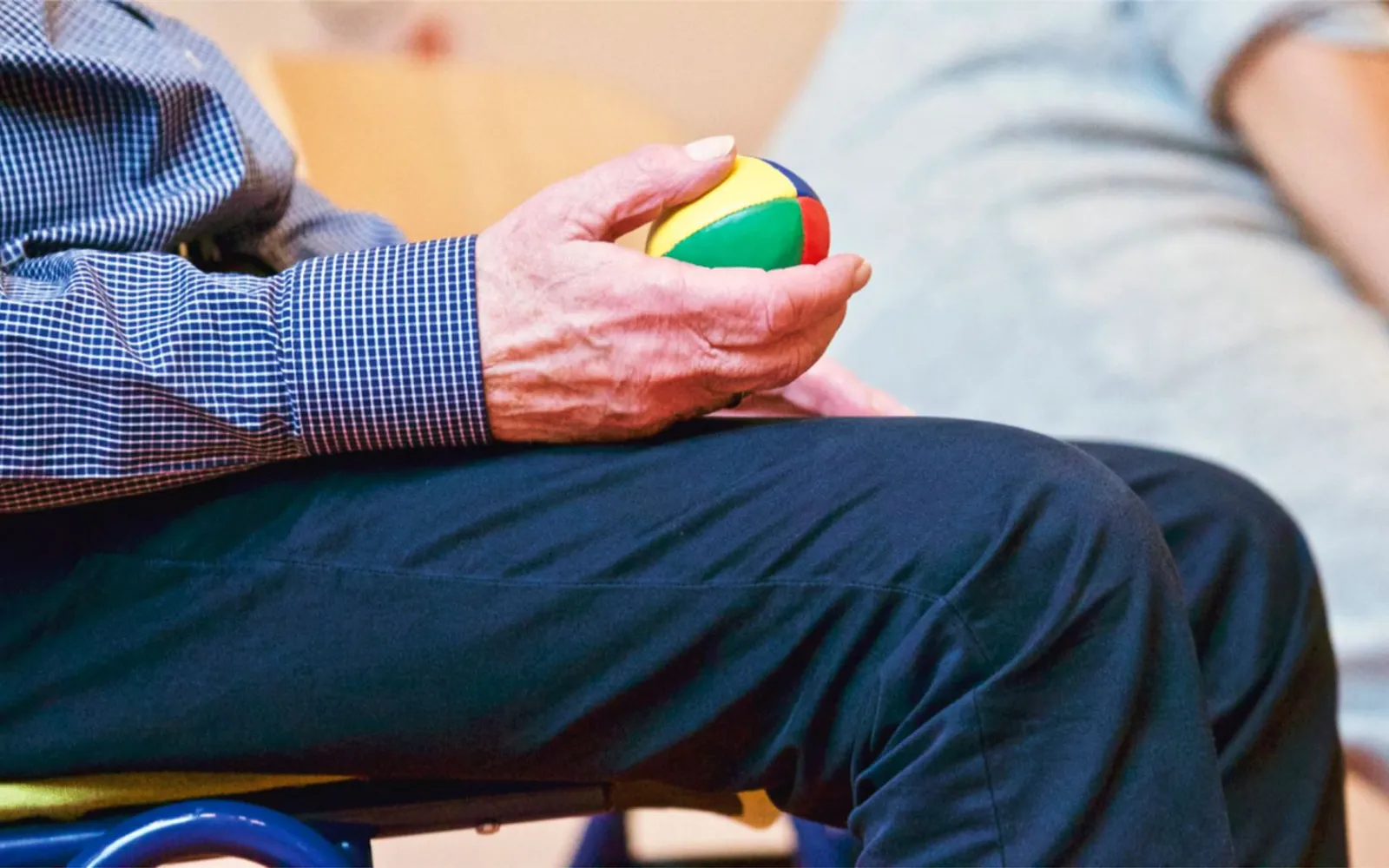
How do you break a bad habit?
Pick a new action to do at the moment the old one usually starts. To a psychologist, a habit is an action set off automatically by a cue, like reaching for your seatbelt as you get in the car.
So a paper for GPs advises choosing a new action, like eating an apple, over a rule like “don’t eat fried snacks”. It says you can’t form a habit of not doing something.
The same paper says breaking an old habit takes more effort than making a new one. So plan for it, with these four steps.
Four steps to break a bad habit
- 1
Spot the trigger
Note when and where it happens, and how you feel.
- 2
Change the setting
Avoid or change the place, routine or people that set it off.
- 3
Plan a swap
When the trigger comes, I will do this instead.
- 4
Watch for slips
Think “don’t do it” when the trigger comes.
Sources: NHS; Wood 2005; Adriaanse 2011; Quinn 2010
The NHS uses the same idea, called habit reversal training, to help people swap hair pulling for something harmless.
Start with one habit, not five. Write down your swap today.
Bad habit examples, and a swap for each
Good habits and bad habits work the same way. Each is set off by a cue, with little thought. What makes one bad is what it does to you.
| Bad habit | Swap to try | Also helps |
|---|---|---|
| Smoking with coffee or after meals | Juice in place of morning coffee. Minty gum or brushing your teeth after eating. | A new route to work if your commute sets it off. |
| Drinking more than 14 units a week | A smaller or lower-strength drink. Water between drinks. | Set a limit before you start. Have several drink-free days a week. |
| Skin picking | Squeeze a soft ball, or put on gloves. | Keep nails trimmed. Keep tweezers and pins out of easy reach. |
| Hair pulling | Make a fist and tighten your arm, or use a fidget toy. | Wear a tight hat. Put plasters on your fingertips. |
Sources: NHS: smoking triggers; NHS: cutting down alcohol; NHS: skin picking; NHS: hair pulling
Bite your nails? In a trial of 91 children and teens, habit reversal training helped nails grow longer than in those left waiting.
More help for two common ones: cutting phone time and stress eating. Pick the row closest to your habit and try its swap this week.
What sets off a bad habit?
A trigger. The NHS sorts smoking triggers into three kinds. You can use the same three to look at any habit.
| Kind | Examples |
|---|---|
| Routine | Drinking coffee, finishing a meal, a break at work, waking up. |
| Feeling | Bored, stressed, anxious, lonely, even happy. |
| Situation | Being with other smokers, drinking alcohol, being offered one. |
Source: NHS: smoking triggers
That trigger is the part to find first. Change it, and the habit loses its cue.
In one study, students who moved university kept their exercise, newspaper and TV habits only when parts of the setting stayed the same.
For one week, jot down each time the habit happens: where you are, what you just did and how you feel. The NHS asks people with hair pulling to keep this kind of diary.
How long does it take to break a habit?
There’s no set number of days. The studies below timed how long a new habit takes to form, not how long an old one takes to fade.
The famous 21 days is a myth.
In one study, new daily habits stopped getting more automatic after about 66 days on average, with big differences between people. A 2024 review found middle times of 59 to 66 days, but anything from 4 to 335.
So give your swap around 10 weeks of daily practice, as the GP paper suggests. For more on that side, see building a habit that fits a busy week.
Quitting smoking? The NHS says cravings are hardest in the first 28 days, then often start to get easier. Each one usually lasts only a few minutes, so have a distraction ready.
What if you slip?
Pick up again at the next trigger. In the 66-day study, missing the odd day did not seriously set people back.
For strong bad habits, one tactic stood out in diary studies. People who watched closely for slips and thought “don’t do it” held back best. No other tactic helped with strong habits.
An if-then plan helps too, but only as far as you really want the new action. So pick a swap you like.
On smoking, the NHS says going back to smoking after quitting happens to lots of people, and the most important thing is to try again. See vaping to quit smoking for the options.
Your plan to break a bad habit
- Pick one habit to work on, not several.
- For one week, note when and where it happens and how you feel.
- Avoid or change the setting that sets it off, where you can.
- Write one if-then line: “When the trigger comes, I will do this instead.”
- When the trigger comes, think “don’t do it” and watch for slips.
- Tell a friend or family member, so they can help you notice.
Sources: NHS: hair pulling; NHS: skin picking; Adriaanse 2011; Quinn 2010
When to speak to a GP
Some habits go further. The NHS calls it addiction when you have no control over doing, taking or using something, to the point it could harm you. See a GP if:
- You can’t stop picking your skin, it causes cuts that do not heal within a few days, or it upsets you or affects daily life. (NHS)
- You’re pulling your hair out, or you notice your child is. See a GP too if either of you eats hair, as it can cause serious illness. (NHS)
- A habit with drink, drugs, gambling or smoking feels out of your control. A GP or a specialist service can help. (NHS)
To talk to someone anonymously about any addiction, call Samaritans free on 116 123. For drinking, see weekly alcohol units.
Need urgent help for your mental health? Call 111 and choose the mental health option. Call 999 or go to A&E if someone’s life is at risk, or you can’t keep yourself or someone else safe.