High-fibre foods for weight loss
Beans, lentils, wholegrain pasta, oats and veg. In a year-long US trial, adults with weight-related health problems on one food rule and no calorie goal lost 2.1 kg. A full diet plan lost 2.7 kg.
On this page
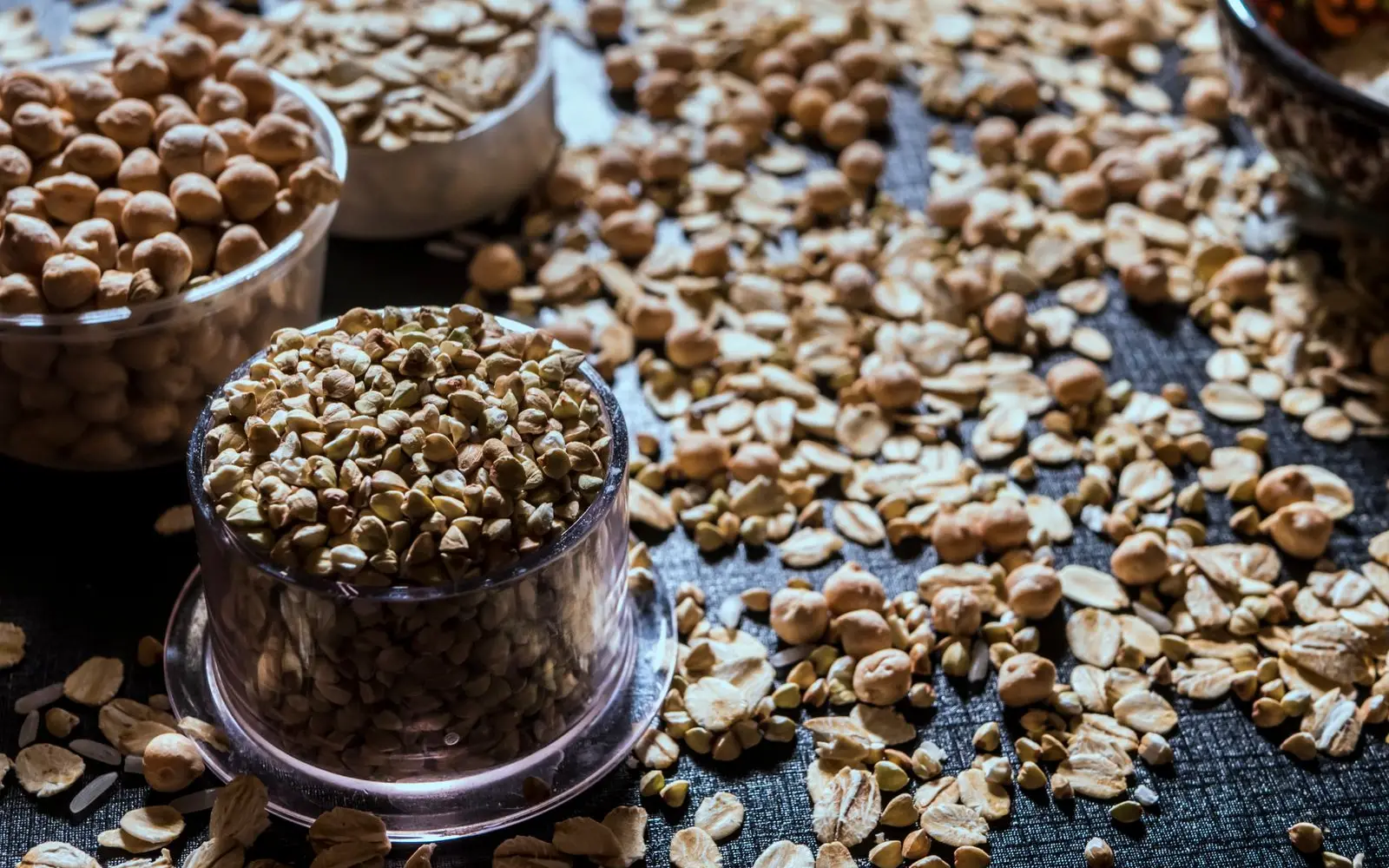
Which high-fibre foods help with weight loss?
Beans and lentils give the most fibre per portion. Wholegrain pasta, bread and oats come next, then veg and fruit.
Veg earn their place for another reason. The NHS says most are high in fibre, low in calories and can help you feel fuller for longer.
| Food | Portion | Fibre |
|---|---|---|
| Red kidney beans | 120 g | 9.4 g |
| Wholegrain pasta | 180 g | 8.8 g |
| Baked beans | 200 g | 8.5 g |
| Lentils | 120 g | 8.1 g |
| Wholemeal bread | 80 g | 5.8 g |
| Baked potato | 220 g | 4.6 g |
| Oats | 45 g | 3.5 g |
| Green beans | 80 g | 3.3 g |
| Berries | 80 g | 3.3 g |
| Carrots | 80 g | 3.1 g |
Source: British Nutrition Foundation
Fibre doesn’t cancel calories. The NHS warns you can gain weight even from healthy foods if you eat more than your body needs.
So use these foods to replace, not add. Swap white pasta for wholegrain, and half the mince in a chilli for kidney beans.
Does a high-fibre diet help you lose weight?
It can help a bit. A US trial tested two diets for a year in 240 adults with metabolic syndrome. That means extra weight round the waist plus problems like high blood pressure or blood sugar.
That one food rule was 30 g of fibre a day. The other group followed the American Heart Association’s full diet plan, with calorie goals.
Source: Ma et al, 2015
The 0.6 kg gap could be chance. The full plan may give up to 1.7 kg more. The authors said the fibre rule may suit people who struggle with complicated diets.
A second US study followed 345 adults with overweight or obesity on calorie-cut diets for 6 months. Fibre intake was the strongest predictor of weight loss.
If calorie counting wears you down, try the single fibre rule first.
How much fibre a day for weight loss?
Aim for 30 g a day, the UK advice for all adults. Most adults eat about 20 g. Only around 4 in 100 reach 30 g.
You don’t need to hit it at once. In the trial above, people started at about 19 g. They added about 7 g a day by 3 months and still lost weight.
Source: NHS
The day, from the NHS:
- Breakfast: 2 slices of wholemeal toast with peanut butter, then a medium orange. About 8.3 g.
- Lunch: wholemeal spaghetti with a lentil and tomato sauce. About 11 g.
- Dinner: grilled chicken breast, a skin-on baked potato, carrots and green beans. About 11.2 g.
Pick the meal that’s furthest from yours and change that one first. For more on the daily number, see how much fibre you need a day.
Do fibre supplements help you lose weight?
Only a little. Some fibres turn to a thick gel in water, like psyllium and the beta glucans in oats. A review of 62 trials added them to people’s normal diets for at least 4 weeks.
On average, people lost 0.33 kg more than without them. People with overweight, diabetes or metabolic syndrome lost a bit more.
A big review of food trials in healthy adults, not supplements, found higher-fibre diets were linked to lower weight, blood pressure and cholesterol in trials.
So start with food. If you’re still thinking of a powder, read psyllium husk for weight loss first.
How do I eat more fibre without bloating?
Go slowly. Adding fibre too fast can cause bloating, wind, stomach cramps, constipation or diarrhoea.
Have IBS (irritable bowel syndrome)? Bran may make it worse for some people, while oats are often better tolerated.
Your high-fibre weight loss checklist
- Work up to 30 g of fibre a day, one change at a time.
- Fill about half your plate with veg at your main meal.
- Choose wholegrain pasta, bread and rice, and keep starchy foods to no more than a third of what you eat.
- Add beans, lentils or chickpeas to stews, curries and salads.
- Most adults should aim for 6 to 8 glasses of fluid a day.
- If fibre causes symptoms, cut back a little, then build up more slowly.
Sources: NHS; NHS Better Health; British Nutrition Foundation
For more filling meals, see low calorie filling foods. To set your calories, see calories to lose weight.
When to speak to a GP
Speak to a GP if any of these apply:
- You have a medical condition, a special diet for your health, or an eating disorder now or in the past. The NHS says talk to a GP or healthcare professional before you change how you eat to lose weight.
- Your BMI (a score from your weight and height) is in the overweight or obese range and you want help to lose weight, or your waist is more than half your height.
- Your BMI is in the overweight or obese range and you have pre-diabetes, diabetes, high blood pressure, joint pain, high cholesterol, sleep apnoea (breathing that stops and starts in your sleep) or heart and circulation disease.
- Your BMI is in the overweight or obese range and obesity runs in your family.
- Fibre symptoms carry on after you cut back. The BNF says speak to your GP or a dietitian.
- You are regularly bloated, have blood in your poo, have tummy pain or notice sudden changes in how you poo.
Losing weight without changing your diet or exercise? See a GP.