Low calorie filling foods
Veg, fruit, soup, beans, eggs and fish. They give you lots of food for few calories. But one well-known test of 38 foods found the most filling was a plain boiled potato.
On this page
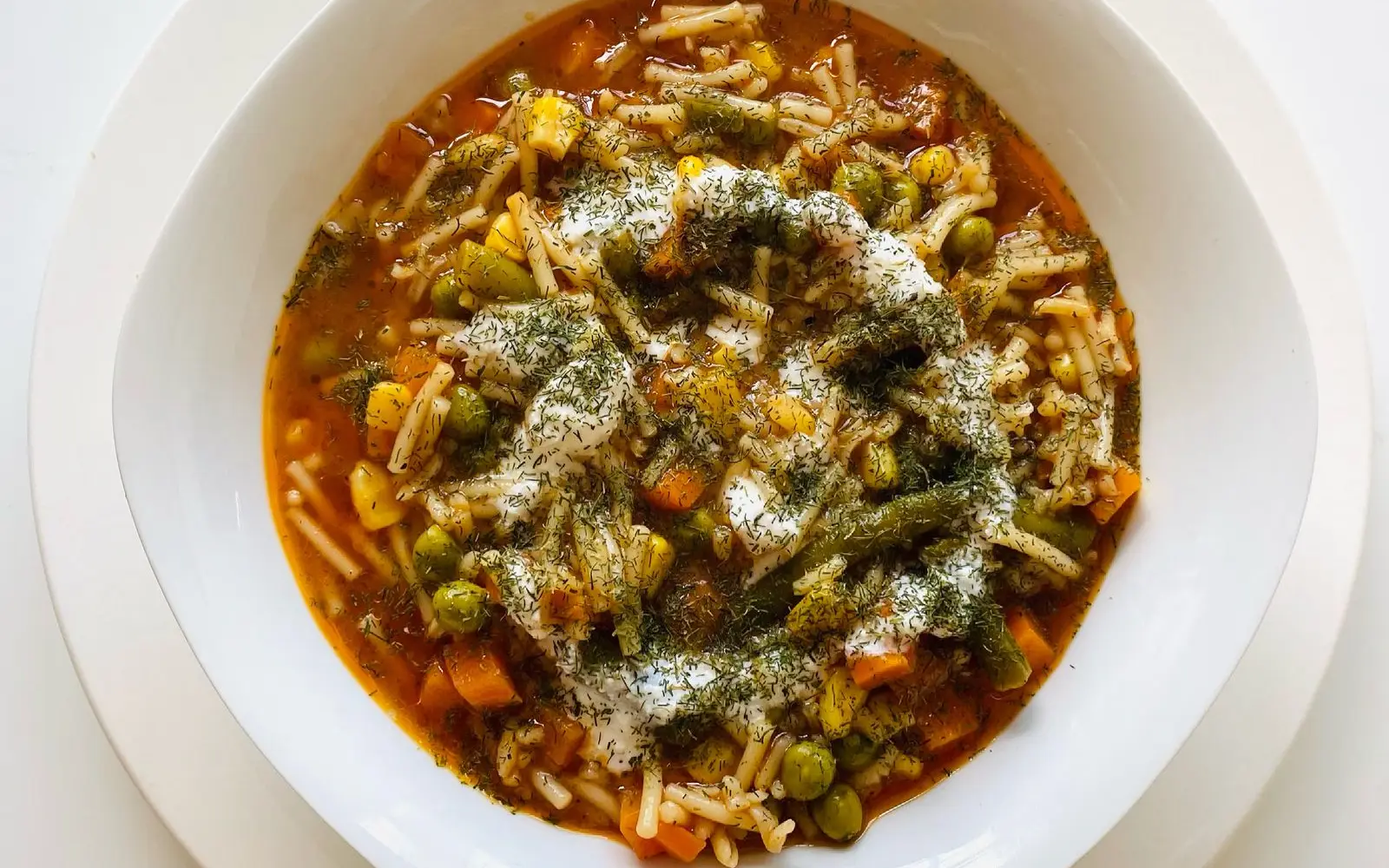
What are the most filling low calorie foods?
Foods full of water, fibre or protein. Veg, fruit, soup, beans, lentils, eggs and fish all fill a plate for few calories.
The NHS says most vegetables are low in calories and can help you feel fuller for longer. Protein, like beans, fish, eggs or lean meat, can help you feel full for longer too.
| Food | Calories per 100g | Weight for 100 calories |
|---|---|---|
| Cucumber | 14 | 714g |
| Broccoli, boiled | 28 | 357g |
| Strawberries | 30 | 333g |
| Minestrone soup, canned | 31 | 323g |
| Porridge made with water | 47 | 213g |
| Apple | 51 | 196g |
| Potatoes, boiled | 74 | 135g |
| Baked beans | 81 | 123g |
| Lentils, boiled | 92 | 109g |
| Cod, baked | 100 | 100g |
| Egg, boiled | 143 | 70g |
Source: UK government CoFID
Think of calories as money. The same 100 calories buys a big bowl of cucumber or a small knob of butter. Spend them on bulky foods and you get far more to eat.
Source: UK government CoFID
So build meals from the top of the table. Keep fats small, because the NHS says all oils and spreads are high in calories.
Which food fills you up the most?
In a well-known Australian test, groups of 11 to 13 people ate 240 calories of one of 38 foods. Then they rated how full they felt for 2 hours.
The winner was the plain boiled potato. It scored 323, against 100 for white bread and 47 for a croissant.
Source: Holt et al, 1995
Foods with more protein, fibre and water tended to score higher. Foods with more fat tended to score lower. So did smaller, lighter servings.
It was one small study, and the potatoes were plain. The NHS still says to keep starchy foods to no more than a third of what you eat each day. Potatoes don’t count towards your 5 A Day.
Try plain boiled potatoes instead of chips. Measure any butter or oil with a teaspoon.
What are some low calorie filling meals?
Start with soup or a light salad. In a US lab study, women who ate a big, light salad first ate 12% fewer calories over the whole meal.
Load the salad with dressing and cheese, and it backfired. They ate up to 17% more.
Vegetable soup first cut the whole meal by 20%, about 134 calories. Chunky or blended made no real difference. Both were single meals in a lab, not weight loss trials.
Build a filling plate in four steps
- 1
Start light
Vegetable soup, or salad with a little dressing.
- 2
Half veg
At least 2 portions of veg in your main meal.
- 3
Add protein
Beans, pulses (like lentils and chickpeas), fish, eggs or lean meat.
- 4
Starch to a third
Potatoes, rice, pasta or bread. Wholegrain when you can.
Sources: NHS; Rolls et al, 2004; Flood and Rolls, 2007
Three easy dinners that follow it:
- Lentil soup, then baked cod with boiled potatoes and broccoli.
- Chilli with half the mince swapped for beans, and a big side salad.
- An omelette with mushrooms, tomatoes and spinach, plus wholegrain toast.
More ideas: healthy dinners for weight loss and high protein low calorie meals.
Do filling foods help you lose weight?
They can help. In a year-long trial, 97 women with obesity cut down on fat. One group also ate more water-rich foods, especially fruit and veg.
Among those who finished, that group lost 7.9kg against 6.4kg. They also reported less hunger.
To lose weight, the NHS suggests eating around 600 fewer calories a day. Filling foods are one way to make that cut.
Six ways to feel full on fewer calories
- Fill half your plate with veg, with at least 2 portions in your main meal.
- Have some protein in each meal, like beans, pulses (such as lentils and chickpeas), fish, eggs or lean meat.
- Start dinner with vegetable soup or a salad with a little dressing.
- Eat whole fruit. Keep juice and smoothies to 150ml a day in total.
- Measure oil, butter and ghee with a teaspoon.
- Limit sugary drinks and alcohol. They are high in calories and don’t fill you up.
Sources: NHS Better Health; BDA; Rolls et al, 2004; Flood and Rolls, 2007
Juice falls short because it doesn’t fill you up the same way as whole fruit.
Want more on fibre and protein? See high-fibre foods and protein for weight loss. For your own daily number, see calories to lose weight.
When to speak to a GP
Speak to a GP if any of these apply:
- You have a medical condition, a special diet for your health, or an eating disorder now or in the past. The NHS says talk to a GP or healthcare professional before you change how you eat.
- Your BMI (a score from your weight and height) is in the overweight or obese range and you want help to lose weight. The same goes if your waist is more than half your height, or obesity runs in your family.
- Your BMI is in the overweight or obese range and you have a weight-linked condition. These include pre-diabetes, diabetes, high blood pressure, joint pain, high cholesterol and heart or circulation disease.
- Your BMI is in the overweight or obese range and you have sleep apnoea, where your breathing stops and starts while you sleep.
- You eat very little, have very strict food habits, binge eat, or make yourself sick or take laxatives after eating. The NHS says see a GP as soon as you can.
Losing weight without changing your diet or exercise? See a GP.