Is menopause making me bloated?
It can. One study found it was worst in perimenopause. There are simple ways to ease it. But bloating 12 or more times a month needs a GP, not just a diet change.
On this page
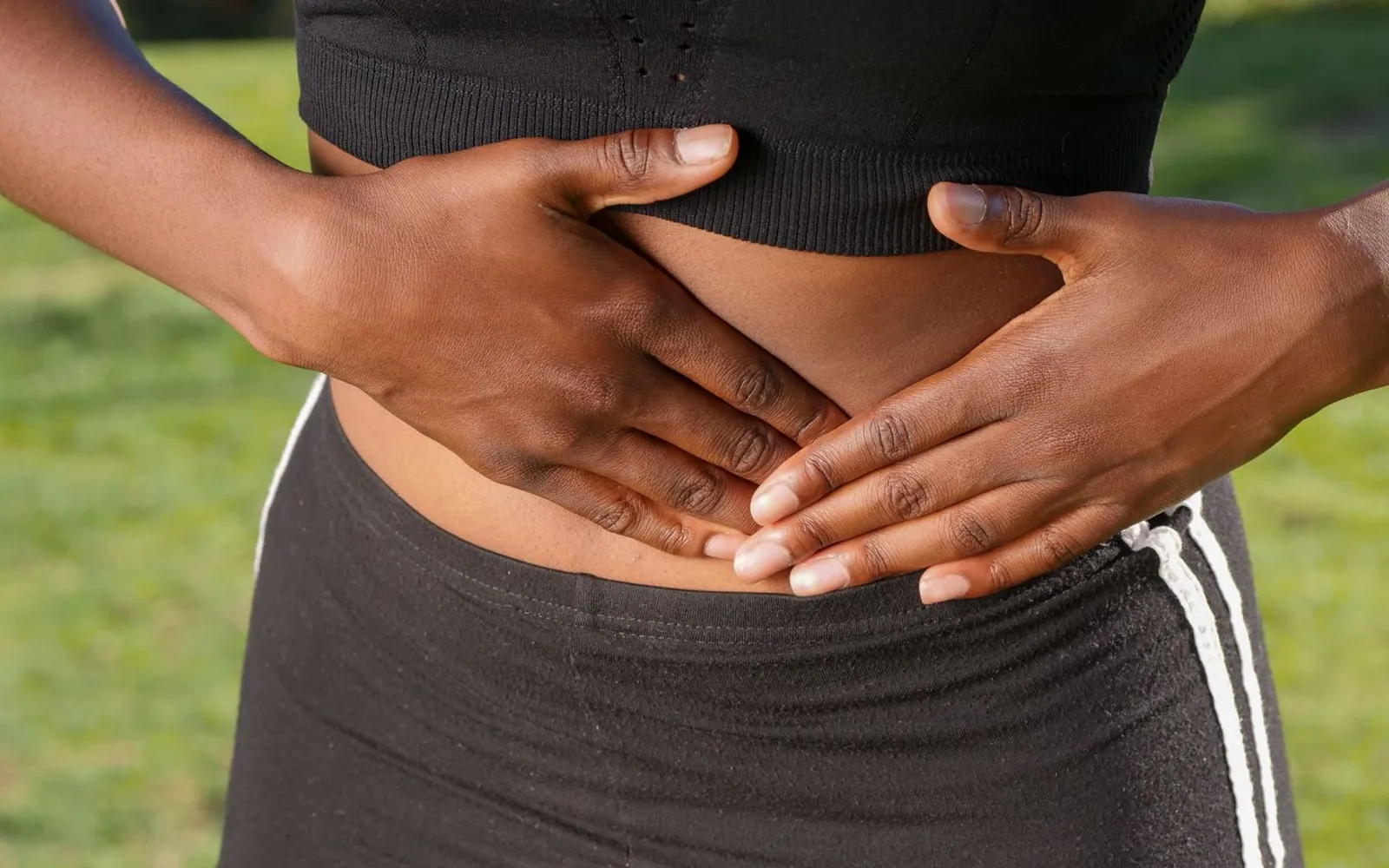
Can menopause cause bloating?
It can. Bloating isn’t on the NHS list of menopause symptoms, but studies link the two.
In a US diary study of 291 women, bloating was more severe during perimenopause, the years when periods start to change. It tended to ease with age. Feeling tense was linked to worse bloating.
A small older study found 48% of women past menopause had a lot of wind, more than women still having periods. Age may explain some of this. Falling hormones may play a part, but researchers aren’t sure how.
- Below 12 times a monthTry the six NHS ways to ease bloating. See a GP if it’s regular.
- 12 times a month or aboveNHS: see a GP. They may test your CA125.
Sources: NHS: ovarian cancer; NHS: bloating; NICE NG12
The NHS lists bloating roughly 12 or more times a month as a possible sign of ovarian cancer.
These symptoms are very common and have many causes. But the NHS says to get them checked, because cancer found early can be more treatable.
Bloated less often? The NHS still says see a GP if it’s regular or diet changes haven’t helped. Start with the changes below.
Bloating, water retention or menopause belly?
| What it is | Signs | Common causes |
|---|---|---|
| Bloating | Tummy feels full or bigger than usual. Rumbling, more wind. | Gas in your gut, constipation, a food intolerance, irritable bowel syndrome (IBS), a common long-term gut problem. |
| Water retention (oedema) | Puffy ankles, feet or legs. Skin dents when you press it. | Salty food, sitting or standing still too long, some medicines including hormone therapy. |
| Menopause weight gain | Weight that often sits around the stomach and upper body. | Common in perimenopause and menopause. |
Sources: NHS: bloating; NHS: oedema; NHS: menopause
Water retention has other causes too, such as thyroid problems. If tiredness and weight change come with it, see menopause or thyroid.
Swollen legs and also a swollen face or tummy? The NHS says get an urgent GP appointment or call 111.
Call 999 if you have swelling and feel short of breath or your chest feels tight, heavy or painful. The same goes for coughing up blood or feeling faint or confused. It could be a blood clot.
Think it’s weight that stays? See menopause weight gain for what helps.
Does HRT cause bloating?
It can. NHS inform lists bloating and fluid retention among possible HRT side effects.
But HRT side effects can look like menopause symptoms, so your HRT may not be the cause.
If you’re bloated on HRT
- 1
Give it 3 months
Side effects usually improve over time.
- 2
See your GP
If side effects are severe or last longer than 3 months.
- 3
Change the plan
Your GP may change the dose, the type or how you take it, such as tablets to patches.
Sources: NHS; NHS inform
Never stop or change a prescribed medicine without your prescriber. More in HRT side effects.
What helps menopause bloating?
Six NHS ways to ease bloating
- Eat smaller, more frequent meals instead of large ones, and skip big meals late at night.
- Chew with your mouth closed, and sit up straight when you eat.
- Cut down on fizzy drinks, alcohol, caffeine in coffee and tea, and processed, sugary, spicy or fatty foods.
- Eat fewer gassy foods, like cabbage, beans or lentils.
- Drink plenty of water. If you’re constipated, eat foods high in soluble fibre, such as oats or linseed.
- Exercise regularly. It helps your digestion and can ease bloating when it starts.
Source: NHS: bloating
Bloated now? The NHS suggests massaging your tummy from right to left to release trapped wind.
Keep a diary of what you eat and when you’re bloated. The NHS suggests this for IBS, and it gives your GP a clear picture.
For easy ways to add fibre, see high-fibre foods.
Do supplements help menopause bloating?
We found no trial of a supplement for menopause bloating itself. These options come from NHS advice on bloating and IBS.
| Option | What the NHS says |
|---|---|
| Simeticone | A pharmacy medicine that can help ease bloating. |
| Peppermint oil or Buscopan | Ask a pharmacist. Suggested for IBS bloating, cramps and wind. |
| Probiotics | Some evidence for some IBS symptoms. Try one for a month. |
| Linseed | Up to 1 tablespoon a day, whole or ground, for IBS bloating. |
| Laxatives | Ask a pharmacist if constipation is behind it. |
Sources: NHS: bloating; NHS: IBS; NHS: probiotics
Probiotics count as food, not medicine. So a shop product may not contain what the label says, and there’s little evidence for many claims made about them.
Have a health condition or a weak immune system? Talk to a doctor before taking probiotics.
Also check labels for sorbitol, a sweetener the NHS says to avoid for IBS bloating. More in supplements for bloating and menopause supplements.
When to speak to a GP
See a GP if:
- You have a swollen tummy or bloating roughly 12 or more times a month. The same goes for pain in your tummy or between your hips (pelvic pain), feeling full quickly or needing to pee more often.
- You’re 50 or over and had IBS-like symptoms in the last 12 months. NICE says to test for ovarian cancer, as IBS rarely starts at this age.
- You’re bloated regularly, or diet changes haven’t helped.
- You have bloating with weight loss you can’t explain, or blood in your poo.
- HRT side effects are severe or last longer than 3 months.
Aged 40 or over with persistent symptoms like these? NICE says your GP should check a blood test called CA125. Under 40, CA125 alone isn’t enough, so you may be offered a scan.
Ask for an urgent GP appointment or call 111 if you’re bloated with vomiting, diarrhoea, constipation or a stomach ache. The same goes for a fever or feeling hot, cold or shivery.
Also call 111 for bloating with a lump in your tummy, burning acid reflux, or if you can’t pee, poo or fart.
Call 999 or go to A&E if your stomach is swollen and you have a sudden, severe stomach ache. The same goes for vomiting blood, vomit like ground coffee, or severe trouble breathing.
For other changes at this stage, see perimenopause symptoms.