Does sugar raise cholesterol?
Yes, a little. In trials, eating more sugar raised total cholesterol by about 0.16 mmol/L on average. But UK heart charities link sugar more with another line on your results.
On this page
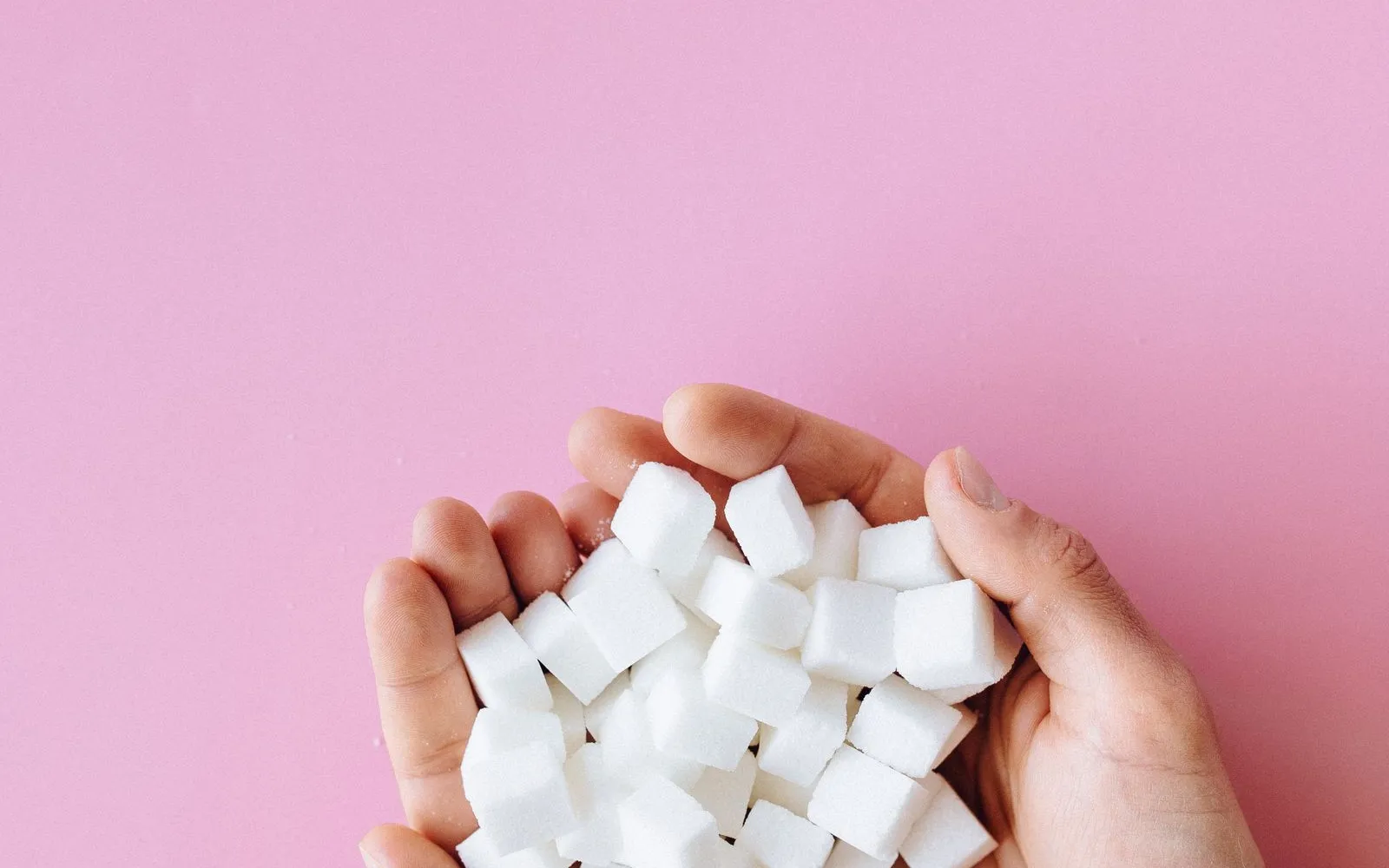
Does sugar raise cholesterol?
Yes, but only a little. A review of 37 trials compared people eating more and less sugar. More sugar raised total cholesterol by 0.16 mmol/L on average.
| Line on your results | Change with more sugar | In plain words |
|---|---|---|
| Total cholesterol | Up 0.16 mmol/L | A small rise. |
| LDL (bad cholesterol) | Up 0.12 mmol/L | A small rise in bad cholesterol. |
| HDL (good cholesterol) | Up 0.02 mmol/L | Almost no change. |
| Triglycerides | Up 0.11 mmol/L | A small rise in another blood fat. |
Source: Te Morenga 2014
Think of the NHS healthy total, below 5, as a 50 mph limit. An extra 0.16 is like creeping up by under 2 mph.
Small on its own. Going over the limit doesn’t mean a crash, but high cholesterol makes heart problems or a stroke more likely.
The UK’s expert nutrition panel, SACN, pooled fewer trials and found no clear effect on cholesterol. So any effect looks small.
Your next step: treat sugar as one part of the picture. The NHS advice to lower cholesterol starts with saturated fat.
How does sugar affect cholesterol?
The best-known route is through your weight.
How too much sugar can push cholesterol up
- 1
Extra sugar
Sweet foods and drinks add up fast.
- 2
Extra calories
Too much sugar can mean too many calories.
- 3
Weight gain
Spare calories can lead to weight gain.
- 4
Higher cholesterol
Being overweight is one cause of high cholesterol.
Sources: NHS: sugar; NHS: high cholesterol
Weight isn’t the whole story. In the trials, sugar’s effect on blood fats showed most when people’s weight stayed the same.
Want an easy first cut? Nearly a quarter of the added sugar we eat comes from sugary drinks. A can of regular cola has 35g. Swap one regular fizzy drink a day for water or a sugar-free drink.
Does sugar raise triglycerides?
Yes. That other line is your triglycerides, the most common fat in your blood.
The BHF explains that when you have too many calories from sugary foods and drinks, your liver turns them into triglycerides. HEART UK says sugary foods can affect blood triglycerides.
- Below 1.7 mmol/LHealthy.
- 1.7 to just under 4.5 mmol/LAbove healthy.
- 4.5 to just under 10 mmol/LBHF: your doctor will talk about lowering it.
- 10 mmol/L or aboveBHF: you may see a specialist.
Sources: BHF; NICE NG238
Didn’t fast? The BHF healthy level for a non-fasting test is less than 2.3.
Permanently high triglycerides can raise your risk of heart and circulation disease. Too much alcohol, extra weight around your middle and type 2 diabetes can push them up too.
Find the triglycerides line on your results. Then see high triglycerides and how to lower triglycerides.
Is sugar worse than saturated fat for cholesterol?
No study we found compares the two head to head. For cholesterol, the NHS points at saturated fat first. Too much can raise bad LDL cholesterol.
Men should have no more than 30g of saturated fat a day, and women no more than 20g.
Many treats bring both. Biscuits have added sugar, and cakes and biscuits are on the NHS list of foods high in saturated fat.
| Instead of | What it brings | Try |
|---|---|---|
| Cakes and biscuits | Sugar and saturated fat | Fruit, nuts or seeds |
| A can of regular cola | 35g of sugar | Water or a sugar-free drink |
| Butter, lard or ghee | Saturated fat | Olive or rapeseed oil |
| Pies, sausages or fatty meat | Saturated fat | Oily fish, like salmon or mackerel |
| Low-fat snacks | Sometimes extra sugar in place of fat | Check the label for sugar |
Sources: NHS: lower cholesterol; NHS: cut sugar; NHS: fats
Watch the low-fat trap. Sometimes the fat is replaced with sugar, with similar calories to the regular version.
Pick your top two swaps for this week. For a full list, see foods to avoid with high cholesterol.
How much sugar is OK with high cholesterol?
There’s no separate sugar limit for high cholesterol. The NHS limit for all adults is no more than 30g of free sugars a day, about 7 sugar cubes. One can of cola goes over it.
Free sugars are sugars added to food and drink, plus honey, syrups and fruit juice. Sugar found naturally in milk, fruit and vegetables doesn’t count. The NHS says we don’t need to cut it.
Juice and smoothies together should be no more than 150ml a day, a small glass.
Six changes for sugar and blood fats
- Cut back on added sugar from sweetened drinks, sweets, cakes, biscuits and desserts.
- Swap white bread and pasta for wholewheat pasta and bread, and brown rice.
- Swap butter and fatty meat for oily fish, nuts, seeds and olive, rapeseed or sunflower oil.
- Drink no more than 14 units of alcohol a week.
- Be active for at least 150 minutes a week, such as 30 minutes on 5 days.
- Get to and stay at a healthy weight.
Source: BHF
Start with the change that’s easiest for you. For more help, see how much sugar per day and how to cut down on sugar.
When to speak to a GP
High cholesterol does not usually cause symptoms. Only a blood test can show it. Book an appointment if:
- You’ve never had a test and you’re over 40, overweight, or high cholesterol or heart problems run in your family.
- Your total is above 7.5, or you or a parent, brother, sister or child had heart disease before 60. NICE says to check for an inherited cause (FH).
- Your total is above 9, or your non-HDL is above 7.5. NICE advises a specialist check.
- Your triglycerides are 10 to 20. NICE advises a repeat fasting test after 5 days but within 2 weeks.
- Your triglycerides are above 20 and alcohol or poorly controlled diabetes doesn’t explain it. NICE advises urgent specialist review.
Got your numbers? See what your cholesterol results mean.