What can I eat with type 2 diabetes?
The same healthy foods as everyone else. There’s no banned list, and whole fruit is fine. But one breakfast drink that looks healthy counts as sugar, just like cake.
On this page
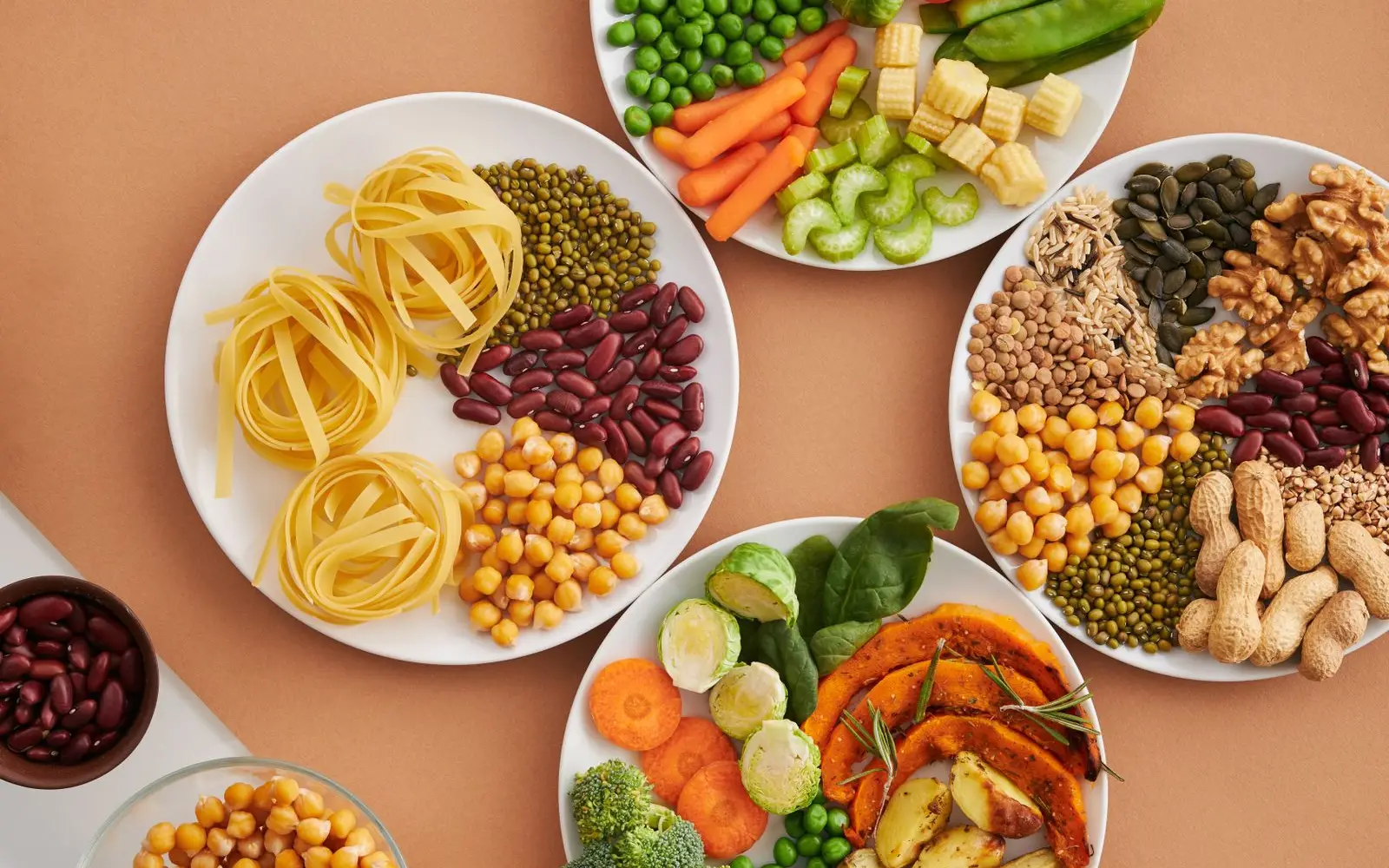
What foods are good for type 2 diabetes?
The same healthy foods that suit everyone. NICE tells doctors to give people with type 2 diabetes the same healthy eating advice as everyone else.
That means carbs with lots of fibre: veg, fruit, wholegrains and pulses (beans, lentils and chickpeas). Add oily fish and low-fat dairy, and go easy on fatty meat, butter and cakes.
In the past, people were sent home with a list of banned foods. Diabetes UK now says to make healthier choices more often, and keep treats occasional and small.
| Food type | Eat more | Cut down on |
|---|---|---|
| Carbs | Brown rice, whole oats, buckwheat, wholemeal bread, beans, lentils, chickpeas | White bread, white rice, highly processed cereals, crisps |
| Fruit and veg | At least 5 portions a day of whole fruit and veg | Fruit juice and smoothies, fruit tinned in syrup |
| Protein | Fish (oily fish twice a week), eggs, chicken, turkey, unsalted nuts | Ham, bacon, sausages, beef and lamb |
| Dairy | Unsweetened yoghurt and milk, low-fat options | Yoghurts with added sugar |
| Fats | Olive, rapeseed or sunflower oil, avocado, seeds | Butter, ghee, lard, pies and pastries |
| Drinks | Water, plain milk, tea and coffee without sugar | Sugary drinks, energy drinks, more than 14 units of alcohol a week |
| Sweet things | Fruit, plain yoghurt, unsalted nuts | Sweets, chocolate, cakes, biscuits, honey |
Sources: NICE NG28; Diabetes UK; Diabetes UK: breakfast swaps
Don’t change it all at once. The NHS says a small change every week can make it easier. Pick one row from the list and start there.
Can diabetics eat fruit, honey and chocolate?
Fruit, yes. Diabetes UK says whole fruit is good for everyone, and diabetes doesn’t change that. The sugar inside whole fruit isn’t the kind you need to cut.
Fresh, frozen, dried and tinned in juice all count. Spread it through the day rather than eating one big portion.
Now the drink from the top of the page. That drink is fruit juice.
Even pure juice and smoothies count. They’re free sugars (sugar that’s added, or let out of fruit when it’s juiced), the same type as in cakes and biscuits.
- 150 ml a day or belowWithin the Diabetes UK limit, once a day.
- Above 150 ml a dayOver the limit. Eat whole fruit instead.
Source: Diabetes UK: breakfast swaps
Honey is a free sugar too, so treat it like table sugar. The same goes for syrups.
Dark chocolate is still chocolate. Most chocolate has a low GI, a score for how fast a food raises blood sugar. But that’s because of its fat, so low GI doesn’t mean healthy.
No brand turns chocolate into a diabetes food. Have a small piece now and then. For a daily sweet fix, reach for fruit or plain yoghurt.
Which foods should diabetics avoid?
Diabetes UK says it’s best to avoid foods labelled ‘diabetic’ or ‘suitable for diabetics’. Also limit red and processed meat and highly processed carbs, like white bread, crisps, cakes and biscuits.
So-called diabetic foods give you no special benefit. They can have as much fat and as many calories as normal versions, and still raise blood sugar. Some can upset your bowels.
Watch salt too. Diabetes already raises your risk of heart disease and stroke, and too much salt can raise blood pressure. Keep to 6 g a day, about one teaspoon.
Six swaps to start this week
- Swap sugary drinks, energy drinks and fruit juice for water, plain milk, or tea and coffee without sugar.
- Swap white bread and white rice for wholegrain bread and brown rice.
- Swap granola for porridge with no added honey or syrup, and add chopped fruit.
- Have beans, lentils, eggs, fish or chicken in place of ham, bacon, sausages, beef or lamb.
- Snack on unsalted nuts, seeds, fruit or plain yoghurt instead of crisps, biscuits or chocolate.
- Grill, steam or bake instead of frying, and use olive or rapeseed oil instead of butter, ghee or lard.
Sources: Diabetes UK; Diabetes UK: breakfast swaps
Drink alcohol? Keep below 14 units a week. On insulin or other diabetes medicines, don’t drink on an empty stomach, as it makes a hypo (blood sugar that drops too low) more likely.
Diabetes UK says there’s no evidence that vitamin and mineral supplements help manage diabetes. Thinking of cinnamon? See cinnamon and blood sugar first.
What does a diabetic meal plan look like?
Normal meals, built a little differently. Here’s a day made from Diabetes UK’s meal ideas.
| Meal | Try | Or |
|---|---|---|
| Breakfast | Natural unsweetened yoghurt and fruit | Two slices of wholegrain toast with olive oil spread, or avocado and a hard-boiled egg |
| Lunch | Mackerel and salad | Soup with or without a wholegrain roll, or a chicken or tuna salad sandwich |
| Dinner | Curry with chickpeas and brown rice | Salmon and vegetables, or roast chicken and vegetables, with or without potatoes |
| Snack, if you want one | Carrot or cucumber sticks and hummus | Unsalted nuts or seeds |
| Drinks | Water, plain milk, tea or coffee without sugar | Juice or smoothie, up to 150 ml once a day |
Sources: Diabetes UK; Diabetes UK: breakfast swaps
Not on diabetes medicine? Diabetes UK says you don’t need to snack. On insulin or another medicine that can cause hypos, you may need one, so ask your care team.
Looking for a diabetes tea? Diabetes UK keeps it simple: tea and coffee without sugar are good swaps for sugary drinks.
For more dinners, see Mediterranean-style meals, high-fibre foods and oily fish and other omega-3 foods.
Does a low-carb diet work for diabetes?
It can for some people. Diabetes UK says some find a low or lower carb diet has helped them lose weight and manage blood sugar. Low carb means under 130 g of carbs a day, not no carbs.
On insulin or another medicine that can cause hypos? Check your blood sugar often and ask your care team to review your medicines first.
The total amount of carbs you eat has the biggest effect on your blood sugar after a meal. But everyone still needs some carbs.
A review of 23 trials in 1,357 adults with type 2 diabetes looked at this. At 6 months, low carb led to more weight loss than other diets. By 12 months those gains had shrunk, and the evidence was of moderate to low certainty.
Diabetes UK says there’s strong evidence that losing extra weight can put type 2 diabetes into remission. That means blood sugar below the diabetes range, without diabetes medicine.
In the DiRECT trial, adults not on insulin had only soups and shakes, 825 to 853 calories a day, for 3 to 5 months. That is a low-calorie diet, not low carb. After a year, 46% of them were in remission, against 4% on usual care.
Source: Lean 2018 (DiRECT)
In England, the NHS offers a version as the Path to Remission Programme: 800 to 900 calories a day for 12 weeks. It doesn’t suit everyone.
Don’t start a very strict, low-calorie diet without talking to a health professional first. The NHS says it may not suit you if you take insulin or other diabetes medicine. Never stop or change a prescribed medicine without your prescriber.
Borderline diabetes, or prediabetes, means blood sugar above normal but not yet diabetes. The NHS says the same changes can help lower your blood sugar. See the prediabetes blood test and how to lower HbA1c.
When to speak to a GP
Finding it hard to change what you eat? A GP or diabetes nurse may find you support in your local area. Speak to your GP or care team if:
- You think you may have type 2 diabetes. The most common signs are feeling very tired, peeing more than usual, feeling thirsty all the time or losing weight without trying.
- You take diabetes medicine and want to try low carb or a low-calorie diet.
- You get hypos often, you’ve had severe hypos, or you’ve had hypos at night.
- You’ve tried to lower your blood sugar but it’s still high, or you still have symptoms.
- You take diabetes medicine and have vomiting, diarrhoea or a very high temperature. Ask for an urgent GP appointment or call 111.
Call 999 or go to A&E if you think you have high blood sugar and you:
- feel sick, are being sick or have stomach pain
- breathe faster than usual, or your heart beats faster than usual
- feel drowsy or are struggling to stay awake
- have breath that smells fruity, like pear drop sweets
- feel confused or find it hard to concentrate
- have a high level of ketones (a chemical your body makes when blood sugar stays too high, checked with a home test) in your blood or pee
Call 999 if someone has very low blood sugar and isn’t responding normally or is unconscious, and:
- there’s no glucagon injection (an emergency injection that raises blood sugar), or you don’t know how to use one
- they haven’t recovered within 10 minutes of a glucagon injection
- they’ve been drinking alcohol
With type 2 diabetes, you’ll have an HbA1c test every 3 to 6 months. It shows your average blood sugar. See normal HbA1c levels to read your result.