Which vegan protein powder is best?
Soy, pea, or a pea and rice blend. In trials, soy and pea built muscle about as well as whey. But one popular powder needs about twice the scoop of pea.
On this page
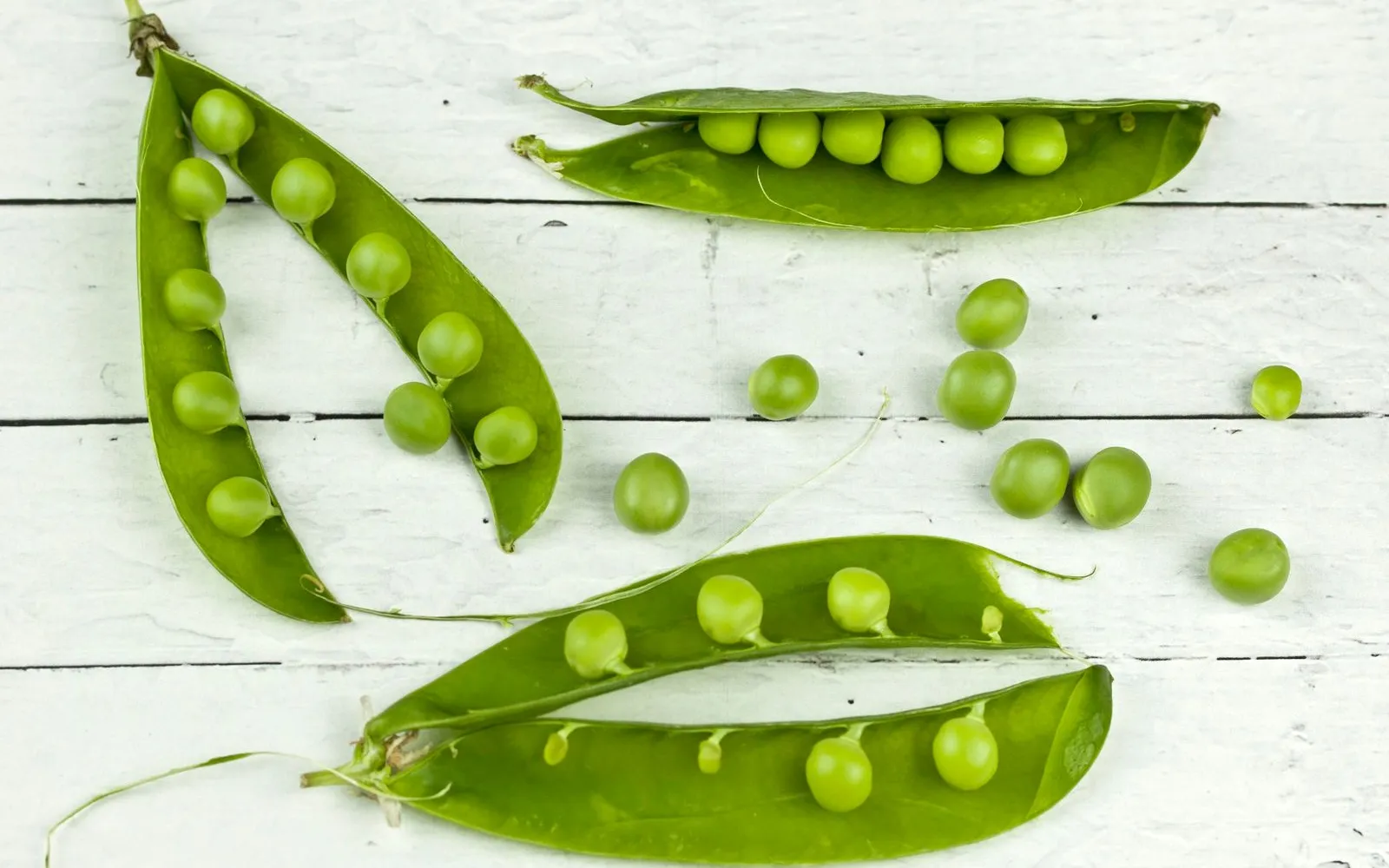
Which vegan protein powder is best?
Soy or pea, or a blend of pea and brown rice. Soy and pea each matched whey or other animal protein in muscle trials.
Blends have no muscle trial yet. Their case comes from lab tests of the building blocks in each powder.
| Powder | Protein in the powder | Short of |
|---|---|---|
| Pea | About 80% | Methionine |
| Soy | 61 to 91% in the samples tested | Methionine |
| Brown rice | About 79% | Lysine |
| Hemp | About 51% | Lysine, and low in leucine |
| Pea and rice, 50/50 | Depends on the mix | A more complete mix of both |
Source: Gorissen 2018
Methionine and lysine are building blocks of protein your body can’t make, so food has to supply them. Leucine is the one most linked with switching on muscle building.
So start with soy, pea or a pea and rice blend. Pick by taste, price and what you can eat.
Worried about soy and hormones? See does soy lower testosterone.
Is pea or soy protein as good as whey?
About as good, for building muscle over weeks of training.
A review pooled 9 studies with 266 people training for 6 weeks or more. Soy gave similar gains in strength and lean mass (muscle and other body tissue that isn’t fat) to whey.
In a 12-week trial, 19 young vegan men new to weights took soy and 19 young meat-eaters took whey. Each was topped up to 1.6 g of protein per kg a day. Muscle and strength gains didn’t differ.
Source: Hevia-Larraín 2021
In another 12-week trial, 161 men aged 18 to 35 took 25 g of pea or whey protein twice a day. Strength gains didn’t differ.
The catch: mostly small trials in young men. The pea trial’s co-authors worked for the pea protein maker, and the soy review’s lead author consults for the soy industry.
Is hemp protein powder any good?
It can supply the same building blocks, but you need a lot more powder. That powder from the top of the page is hemp.
In lab tests, hemp powder was only about 51% protein. Its leucine fell below the amount the World Health Organization says adults need, and it ran short of lysine.
Source: Gorissen 2018
Think of weak squash. It still tastes of orange, but you pour far more for the same flavour.
These are lab sums, not a muscle trial. They assume a set dose of leucine starts muscle building. An older study scoring hemp seed protein also found lysine was the first building block it runs out of.
Like hemp? Use it in a blend with pea or soy, rather than as your only shake.
Why mix pea and rice protein?
Because each covers the other’s gap. Pea and soy are low in methionine. Brown rice and hemp are low in lysine.
Mixed 50/50, the lab study found the blend had a more complete set of building blocks. Picture two jigsaws, each missing different pieces. Tip them together and far fewer pieces are missing.
Seen “vegan whey”? It’s real milk protein, made by microbes instead of cows. In July 2026, Australia’s food regulator said none had UK approval yet, and that it can set off a milk allergy.
Five checks before you buy a vegan protein powder
- Pick soy, pea, or a blend that pairs pea or soy with rice or hemp.
- Check protein per scoop. In lab tests, about 38 to 40 g of pea or soy protein matched the leucine in 25 g of whey.
- Using hemp alone? Expect about twice the powder of pea for the same leucine.
- Check the allergens if you react to soy or peas. Both are common food allergens.
- Milk allergy? Treat “vegan whey” or “animal-free” milk protein as milk.
Sources: Gorissen 2018; NHS: food allergy; FSANZ
Do vegans need protein powder?
Usually not. UK advice for adults is 0.75 g of protein per kg a day. That’s 56 g for men and 45 g for women, based on 75 kg and 60 kg.
The British Nutrition Foundation says average intakes are above this, vegans included. You don’t need to combine proteins at every meal, either. A variety of plant foods over the day is enough.
Food first, powder as a top-up
- 1
Know your need
0.75 g per kg a day: 56 g for men, 45 g for women.
- 2
Eat a mix
Beans, pulses and a variety of plant foods over the day.
- 3
Training hard and busy?
A shake can be a handy way to top up.
- 4
Food first
Better from food where you can.
Protein is rarely the gap for vegans. The NHS says, without planning, vegans may miss calcium, iron, vitamin B12, iodine and selenium.
Plan your plates with vegan protein sources, check how much protein you need a day, or build a routine with plant protein for strength training.
When to speak to a GP
Call 999 for signs of a serious allergic reaction. The NHS lists lips, mouth, throat or tongue suddenly swelling, very fast breathing or struggling to breathe, or a tight throat or struggling to swallow.
Also call 999 if skin, tongue or lips turn blue, grey or pale, or someone is suddenly very confused, drowsy or dizzy. The same goes if someone faints and can’t be woken, or a child is limp, floppy or not responding.
See a GP if:
- You think you or your child may have a food allergy, to soy, peas or anything else.
- You get itchy skin, a raised rash, swollen lips, face or eyes, tummy pain or feel sick after a shake.
- You’re thinking of cutting foods out. The NHS says don’t cut foods out without speaking to a GP.
- You’re vegan and want to know if you’re short of calcium, iron, vitamin B12, iodine or selenium.
More reading: blood tests for vegans and dairy-free protein powders.