What’s the best exercise to lose weight?
Any cardio you’ll do most weeks. Brisk walking, cycling and short hard bursts all count. But in trials, exercise alone took off only 1.5 to 3.5 kg. The bigger lever isn’t in the gym.
On this page
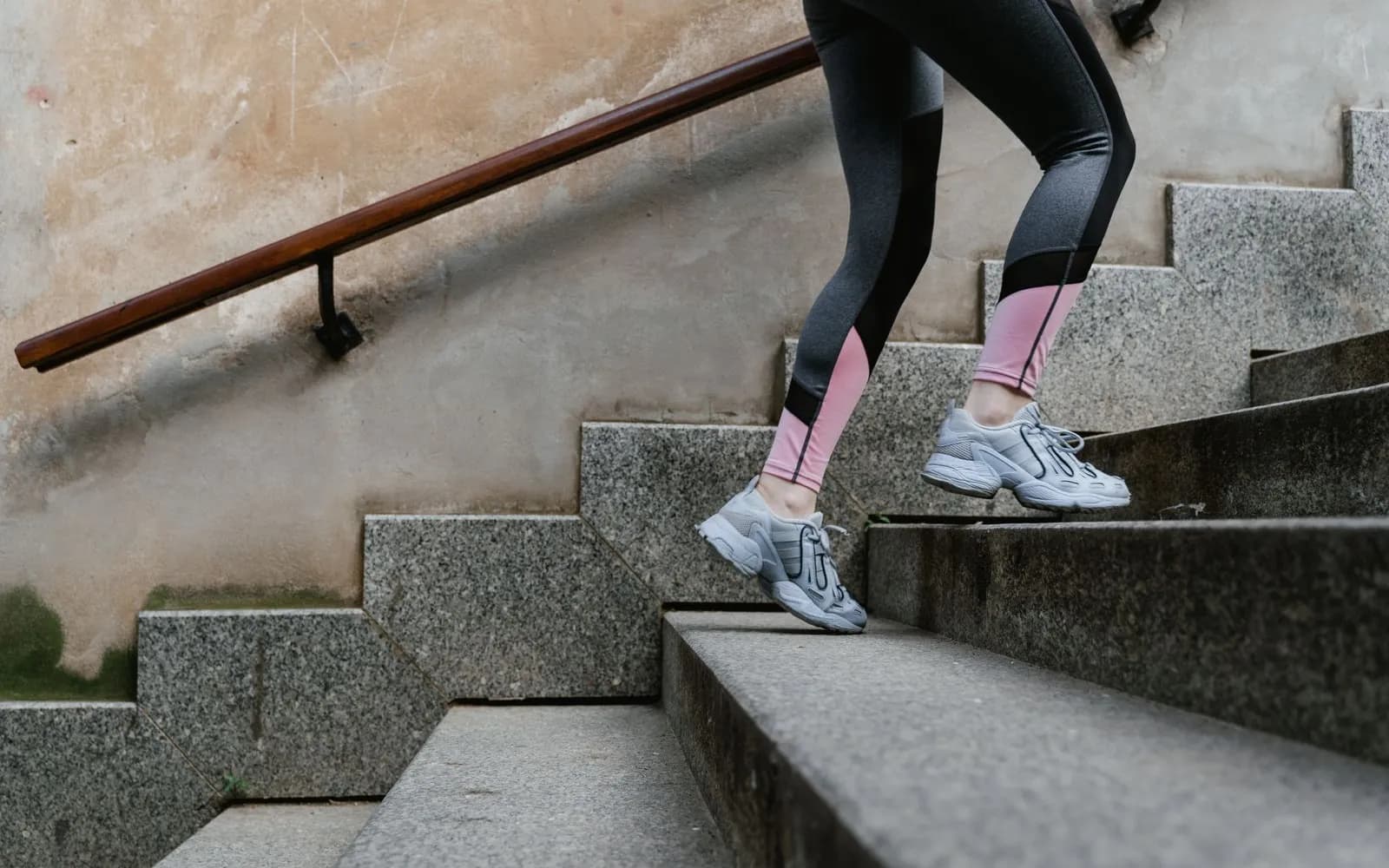
What is the best exercise to lose weight?
The one you’ll keep doing. A big review of 149 studies found steady cardio and HIIT gave the same weight and fat loss when they burned the same energy. The studies were in adults with overweight or obesity.
So the total you burn matters more than the type. A walk you do five times a week is likely to beat a class you quit after two.
HIIT means short bursts of hard effort with rests in between. The NHS calls it very vigorous activity.
| Type | Examples | What trials found |
|---|---|---|
| Steady cardio | Brisk walking, cycling, swimming, dancing | Weight and fat loss. Harder exercise took off more. |
| HIIT | Interval running, running up stairs, spinning classes | The same fat loss as steady cardio, in about 40% less time. |
| Strength | Push-ups, sit-ups, resistance bands, weights | About 0.8 kg less lean mass, such as muscle, lost while losing weight. |
Sources: Bellicha 2021; Wewege 2017; Cochrane; NHS
The NHS wants both: cardio most days and strength on at least 2 days a week. Pick one cardio you enjoy and one strength move you can do at home.
What’s the fastest exercise to lose weight?
Harder exercise. In a Cochrane review (a careful summary of all the trials) of 43 trials, higher-intensity exercise took off about 1.5 kg more than lower-intensity exercise.
HIIT saves time, not extra fat. In 13 trials of overweight adults aged 18 to 45, it matched steady cardio for fat loss in about 40% less time.
| Level | Talk test | Examples |
|---|---|---|
| Moderate | You can talk, but not sing. | Brisk walking, riding a bike, dancing |
| Vigorous | Only a few words before you pause for breath. | Running, skipping, walking up the stairs, riding a bike fast or on hills |
| Very vigorous (HIIT) | Short bursts of maximum effort, with rests. | Interval running, running up stairs, circuit training |
Source: NHS
In general, 75 minutes of vigorous activity a week can give similar health benefits to 150 minutes of moderate, the NHS says.
On an exercise bike? It counts. In one review, running cut body fat but cycling didn’t.
That was a small set of short trials, so make some rides fast or hilly rather than skipping the bike.
Don’t chase speed on the scales, though. The NHS says aim to lose 0.5 to 1 kg a week, and don’t lose weight suddenly with diets.
What are the best exercises to lose weight at home?
You don’t need a gym. The NHS lists brisk walking, dancing, walking up the stairs and skipping as cardio. Push-ups, sit-ups and resistance bands count as strength.
Do strength moves until you need a short rest before repeating. Work your legs, hips, back, tummy, chest, shoulders and arms.
| Day | What to do |
|---|---|
| Monday | 30-minute brisk walk |
| Tuesday | 30-minute brisk walk, then push-ups, sit-ups and band moves |
| Wednesday | 30-minute brisk walk |
| Thursday | Rest |
| Friday | 30 minutes of dancing, then push-ups, sit-ups and band moves |
| Saturday | 30-minute brisk walk or bike ride |
| Sunday | Rest |
Source: NHS
Short on time? Swap a 30-minute walk for 15 minutes of skipping or running up the stairs. You can also split your minutes into shorter sessions, like these short workouts.
New to running? The free NHS Couch to 5K plan has you running 3 times a week, over 9 weeks or longer.
Prefer weights? Try this two-day strength routine.
Six ways to start this week
- Walk briskly for 30 minutes on 5 days, fast enough to talk but not sing.
- Short on time? Do 75 minutes a week of harder exercise, like running or skipping, instead.
- Make some sessions harder with hills, stairs or short fast bursts with rests.
- Do push-ups, sit-ups or band moves on 2 days, until you need a short rest.
- Eat and drink fewer calories than your body uses, and aim to lose 0.5 to 1 kg a week.
- Break up long spells of sitting with some activity.
Why does food matter more than exercise?
That bigger lever is food. The UK’s Chief Medical Officers say diet is the important factor in weight management. Activity plays a supporting role.
To lose weight, the NHS says eat and drink fewer calories than your body uses, and move more to burn more. Do both.
Together they work better. In the Cochrane review, exercise plus diet took off 1.1 kg more than diet alone.
The Chief Medical Officers say more than 150 minutes a week, along with eating less, may be needed to lose weight. Pick one food change this week. Our guide to the best diet to lose weight compares the options.
Exercising but not losing weight?
It can still be working. In the Cochrane review, exercise was linked to better heart risk factors, like blood pressure and blood sugar, even when no weight was lost.
In the HIIT review of adults aged 18 to 45, people lost a little body fat and waist size without their weight changing. So measure your waist too. Here’s how waist size compares with BMI.
Strength work can help you lose less muscle as you lose weight. See how to keep muscle while losing weight.
NICE says to keep moving even if you don’t lose weight, because of the other health benefits.
Keeping weight off is harder to prove. One review found no clear effect of exercise.
NICE says people who lost weight after obesity may need 60 to 90 minutes of activity a day to avoid regaining it. Once you reach your goal, keep your activity going rather than stopping.
When to speak to a GP
Speak to a GP if:
- You haven’t exercised for some time, or you have medical conditions or concerns. The NHS says speak to your GP first.
- Your BMI is overweight or obese and you want help to lose weight, or your waist is more than half your height.
- Your BMI is overweight or obese and you also have pre-diabetes (blood sugar higher than normal, but not yet diabetes), diabetes, high blood pressure, joint pain, high cholesterol, sleep apnoea (when your breathing stops and starts while you sleep) or heart or blood vessel disease. The same goes if obesity runs in your family, or you have, or think you may have, an eating disorder, such as binge eating.
- You get chest pain that comes and goes, or goes away quickly but you’re still worried.
Call 999 for sudden chest pain or discomfort that doesn’t go away. It can feel like squeezing or pressure inside your chest, burning or indigestion.
The same goes for pain that spreads to either arm, your neck, jaw, stomach or back. Or chest pain with feeling sweaty, sick, light-headed or short of breath.
If you’re pregnant, start any new exercise gently. The NHS doesn’t advise starting a new vigorous activity, such as running. After a baby, harder exercise can start after your 6- to 8-week check, if you feel able, but not if you were inactive before pregnancy.