Does the DASH diet lower blood pressure?
Yes, by about 5 to 7 points in trials. That’s the top number. The diet is built on fruit, veg, wholegrains and low-fat dairy. But its biggest fall came with one more change.
On this page
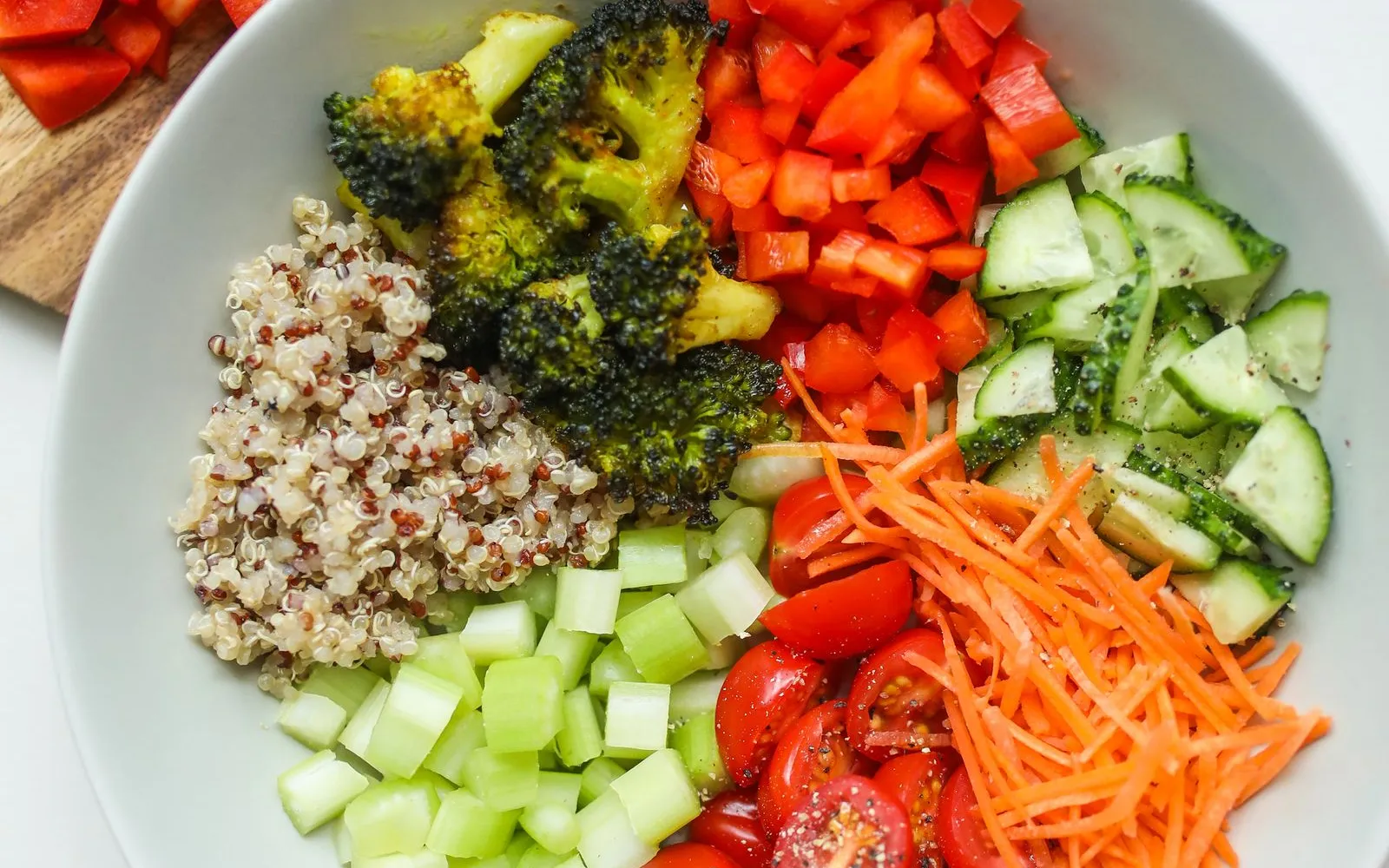
Does the DASH diet lower blood pressure?
Yes. Across 17 trials with 2,561 adults, DASH cut the top number by 6.74 and the bottom number by 3.54, on average. Falls were bigger in people with high blood pressure.
DASH stands for Dietary Approaches to Stop Hypertension (high blood pressure). It was designed by US researchers to lower blood pressure. It needs no special foods, just set amounts of everyday ones.
| Food | How much | One serving is |
|---|---|---|
| Vegetables | 4 to 5 a day | A handful raw or cooked, or 2 handfuls of salad leaves |
| Fruit | 4 to 5 a day | 1 medium fruit, like an apple, or 3 tbsp dried fruit |
| Wholegrains | 7 to 8 a day | 1 slice of wholemeal bread, or a handful of cooked wholegrain rice |
| Low-fat dairy | 2 to 3 a day | 235ml low-fat milk or yoghurt, or 43g low-fat cheese |
| Lean meat, fish and eggs | Up to 6 a day | 30g cooked chicken or fish, or 1 egg |
| Nuts, seeds and beans | 4 to 5 a week | 43g nuts, 2 tbsp seeds or 85g cooked beans |
| Sweets and added sugar | Under 5 a week | 1 tbsp sugar or jam |
Eat less or more than 2,000 calories? The servings scale up or down. Count your fruit and veg today and see how far you are from 8 to 10.
Why does DASH work better with less salt?
That one more change is less salt. In a trial of 412 people, DASH and low salt each lowered blood pressure, but they worked best together.
People with high blood pressure ate DASH with little salt for 30 days. Their top number ended up 11.5 lower than on a typical salty US diet.
- 4 g or belowLower-salt DASH. May lower blood pressure further.
- Above 4 up to 6 gStandard DASH, about 1 teaspoon.
- Above 6 gAbove 6g. Cut back.
Source: BHF
Most salt is already in food you buy, like bread, crisps, sauces and pickles. So check labels before you reach for the salt shaker.
For easy swaps, see low-salt foods and how much salt per day.
What does a day of DASH meals look like?
You don’t need set recipes. The BHF says you only need the right balance of food groups. Here is the day its dietitian suggests.
| Meal | What to eat |
|---|---|
| Breakfast | Bircher muesli |
| Lunch | Black bean and sweet potato burritos |
| Snacks | Salmon pâté on wholegrain toast, plus a banana or apple |
| Dinner | Baked chicken biryani with rice |
| Pudding | Strawberries coated in yoghurt |
Source: BHF
That day gives about 9½ servings of fruit and veg and 7 of wholegrains. Pick one meal from it to try this week.
Want more ideas? Our Mediterranean meal ideas use many of the same foods.
Does the DASH diet lower cholesterol too?
A little. Across 20 trials, DASH lowered total cholesterol by 0.20 mmol/L and LDL by 0.10, on average. LDL is one type of bad cholesterol.
The BHF says the diet is linked to a 20% lower risk of heart and circulation diseases, such as heart attack and stroke. Linked means seen together, not proven to cause it.
| DASH | Mediterranean | |
|---|---|---|
| Style | Set servings of each food group | More flexible, may be easier long term |
| Stands out for | Low-fat dairy every day | More oily fish |
Source: BHF
Both are high in fruit, veg, wholegrains, fish and nuts, and low in salt, sugar and red meat. So pick the one you’ll stick to. For cholesterol on its own, see our low cholesterol diet plan and cholesterol and blood pressure.
How do I start the DASH diet?
Six DASH changes to start this week
- Add fruit or veg to every meal, building up to 4 to 5 servings of each a day.
- Swap white bread, rice and pasta for wholemeal and wholegrain.
- Have 2 to 3 servings of low-fat dairy a day, like semi-skimmed milk or low-fat yoghurt.
- Choose chicken, turkey, fish, eggs and beans instead of red and processed meats.
- Keep salt to 6g a day or less, about 1 teaspoon, counting what’s already in food.
- Drink no more than 14 units of alcohol a week, with some alcohol-free days.
Sources: BHF: DASH diet; BHF: foods for blood pressure
Make changes you can keep. The original trial ran for 8 weeks, and long-term gains depend on keeping the changes.
Don’t use potassium salt swaps if you’re older, pregnant, or have diabetes or kidney disease.
The same goes if you take some blood pressure tablets, such as ACE inhibitors (like lisinopril) or ARBs (like losartan). NICE says these groups should not use them. See potassium salt substitutes.
Only take potassium supplements if your doctor prescribed them. Too much can upset your heart rhythm, especially if you have kidney problems or take some water tablets.
Keep taking any medicines you’ve been prescribed, the BHF says. Never stop or change a prescribed medicine without your prescriber. Moving more helps too: see exercise and blood pressure.
When to speak to a GP
High blood pressure usually has no symptoms. Only a check shows it. Speak to a GP or pharmacist if:
- You’re 40 or over and haven’t had your blood pressure checked for more than 5 years.
- Your reading is 140/90 or higher at the surgery, or 135/85 or higher at home. The NHS calls this high blood pressure.
- It’s still high after changing your diet. Your GP will usually offer medicine then.
- You want to try a potassium salt swap and have kidney disease or diabetes, or take some blood pressure tablets.
Get help from NHS 111 if you often have headaches or blurred vision, or chest pain that comes and goes. The same goes for other symptoms you’re worried could be caused by high blood pressure.
Call 999 for sudden chest pain or discomfort that doesn’t go away, like squeezing, pressure, burning or indigestion. Also call for pain spreading to your arm, neck, jaw, stomach or back. Or chest pain with feeling sweaty, sick, light headed or short of breath.
To track your progress, learn how to check blood pressure at home and what counts as normal blood pressure.