Does menopause raise blood pressure?
It may, and you usually can’t feel it. So a check is the only way to know. High blood pressure doesn’t automatically rule out HRT either. One word on the NHS page explains it.
On this page
Does menopause raise blood pressure?
It can. The BHF says your blood pressure may go up around the menopause, because your blood vessels may not respond as well to change.
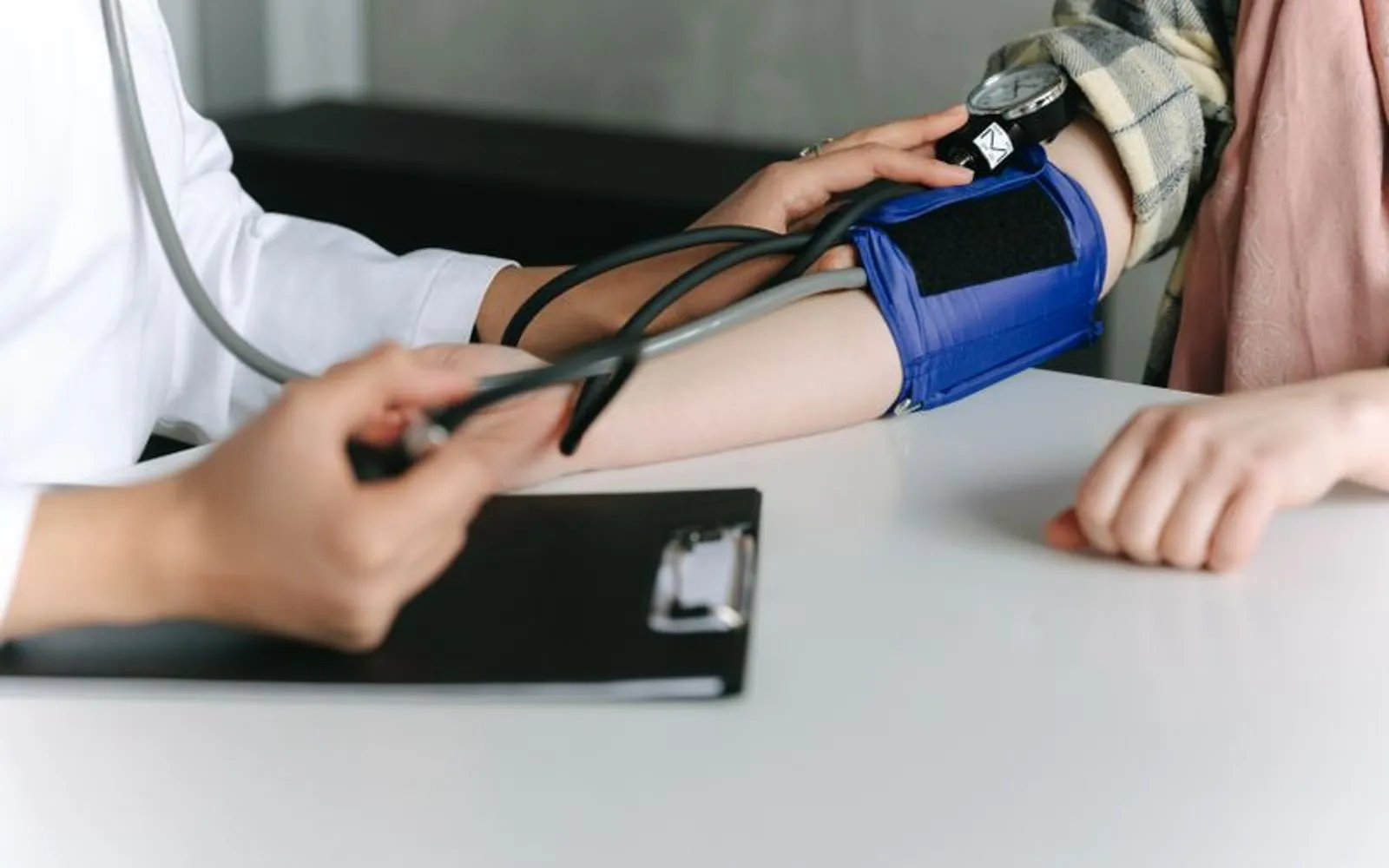
You probably won’t notice. High blood pressure does not usually cause any symptoms, so a check is the only way to know.
The NHS says you’re usually considered to have high blood pressure at 140/90 or higher. That’s when a nurse, doctor or pharmacist checks it. At home, the line is 135/85 or higher.
- Below 140 mmHgBelow the NHS line for high.
- 140 to just under 160 mmHgHigh, says the NHS.
- 160 to just under 180 mmHgNICE: stage 2.
- 180 mmHg or aboveNICE: severe. Needs prompt checks.
Sources: NHS; NICE NG136
The bottom number counts too. At the surgery, a 132/92 usually counts as high, because 92 is over 90.
One high reading is a photo, not a film. Your GP may ask you to check at home over the next few days, or wear a 24-hour monitor, before calling it high.
Aged 40 or over? Many pharmacies offer a free blood pressure check. Book one if it’s been more than 5 years.
Why does blood pressure go up in menopause?
Oestrogen helps keep your blood vessels healthy. As it falls, several things shift at once.
| Change | What can happen | What to check |
|---|---|---|
| Blood vessels | They may not respond as well, so blood pressure could go up. | Blood pressure |
| Weight | Many people gain weight, especially around the waist. | Waist and weight |
| Blood sugar | Your body can’t control it as well, which can raise the risk of high blood pressure. | Blood sugar |
| Cholesterol | It can go up after the menopause. | Cholesterol |
Source: BHF
These add up. Before the menopause, women in general have a lower risk of heart disease. The BHF says that after the menopause, your risk increases.
Menopause before 45? The BHF says your heart risk is higher, so ask your GP about it. Cholesterol has its own guide: cholesterol after menopause.
Does HRT raise blood pressure?
Not often. NHS GP guidance in Bristol says the national medicines guide lists raised blood pressure as an uncommon side effect of oestrogen. So your blood pressure should be checked at follow-up.
How you take HRT also matters. Tablets carry small risks that patches, gel and spray don’t.
| Risk | Tablets | Patches, gel or spray |
|---|---|---|
| Stroke | Slightly higher. Still very low, especially under 60. | No rise |
| Blood clots | Can be higher. Still very low. | No rise |
| Heart disease | Little or no effect | Little or no effect |
HRT isn’t a heart medicine, though. NICE says not to offer it to prevent heart disease.
Other side effects, like headaches or sore breasts, are covered in HRT side effects.
If tablets worry you, ask your GP whether patches or gel would suit you.
Can I take HRT with high blood pressure?
You may be able to, once it’s under control. The NHS says HRT may not suit you if you have untreated high blood pressure.
That word is untreated. The NHS says untreated high blood pressure needs to be controlled before you start, and some GPs start HRT while they treat it. The BHF agrees you may be able to take HRT if your risk factors are well managed.
One NHS area’s steps for HRT with high blood pressure
- 1
Check first
Get a blood pressure reading before you start.
- 2
Stage 1
140/90 to 159/99: start HRT with careful checks, a recheck in 2 to 4 weeks, and treatment for your blood pressure.
- 3
160/100 or more
Wait until your blood pressure improves.
- 4
Pick the type
Avoid tablets and tibolone, a different HRT pill, if your blood pressure is high.
Sources: NHS BNSSG; NHS; NICE NG136
These steps come from NHS GP guidance in Bristol, so your GP may do it a little differently. More on the numbers: stage 1 and stage 2 hypertension.
Already on HRT or blood pressure tablets? Never stop or change a prescribed medicine without your prescriber.
How can I lower my blood pressure in menopause?
The NHS says lowering it even a small amount can help cut your risk of heart attacks and strokes.
Six changes to start this week
- Eat no more than 6g of salt a day, about 1 level teaspoon.
- Swap crisps for a handful of unsalted nuts.
- Build up to at least 150 minutes of exercise a week.
- Avoid drinking more than 14 units of alcohol a week on a regular basis.
- Cut down on caffeine from coffee, tea and cola.
- Stop smoking.
About three quarters of the salt we eat is already in food we buy, like bread, cereal and ready meals. See salt, potassium and blood pressure.
Checking at home? See how to measure blood pressure at home.
When to speak to a GP
Book an appointment if:
- Your readings are 140/90 or higher at a surgery or pharmacy, or average 135/85 or higher at home.
- You want HRT and have high blood pressure. The NHS says untreated high blood pressure needs to be controlled before you start.
- You’re under 45 and think you have menopause symptoms.
Get help from 111 if you often have headaches, blurred vision or chest pain that comes and goes. Also use 111 for other symptoms you’re worried could be caused by high blood pressure.
Call 999 if you get sudden chest pain that does not go away. It can feel like squeezing, pressure, burning or indigestion.
Also call 999 if pain spreads to your arm, neck, jaw, stomach or back. Or if chest pain comes with feeling sweaty, sick, light headed or short of breath.
See also normal blood pressure and life after menopause.