Food choices
What are ultra-processed foods, and which changes are useful?
On this page
Your wholemeal loaf and your daily sugary drink can both fall into the ultra-processed category. That does not make removing them equally useful. One may help you put together a filling lunch; the other may be the easiest place to cut back on free sugar.
To recognise an ultra-processed food, look at how it is formulated and the ingredients used, not just whether it comes in a packet. To decide what to change, also consider its nutritional role and how often you eat it. Replacing a daily sugary drink and removing a useful wholemeal loaf are different decisions.
The research has tested whole menus, not every individual product on a supermarket shelf. That distinction matters when you turn a headline about ultra-processed diets into a shopping decision.
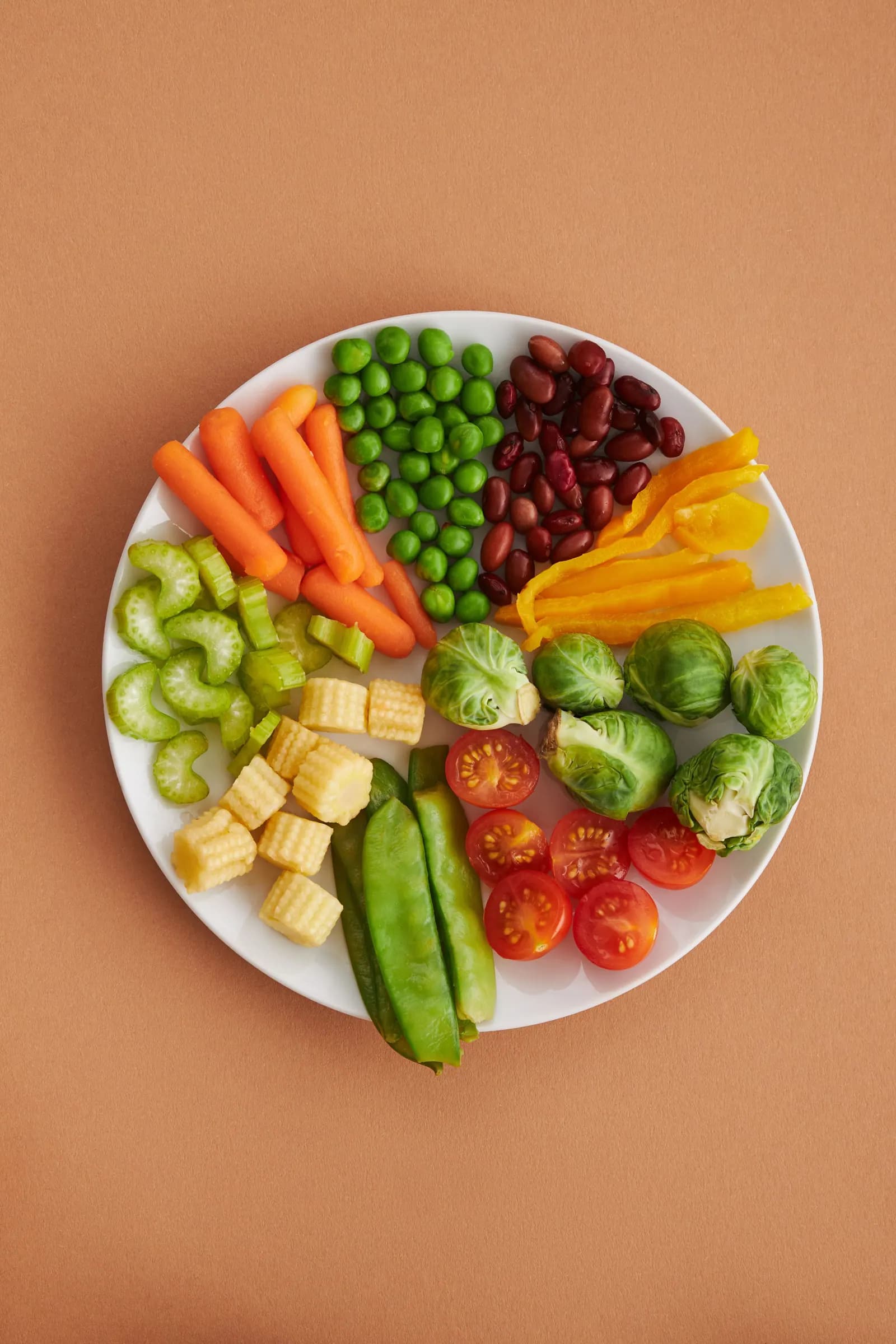
Which change would make the biggest difference to your meals?
The UK's Scientific Advisory Committee on Nutrition's 2025 update recommends reducing processed foods high in energy, saturated fat, salt or free sugars and low in fibre. It specifically reiterates minimising sugar-sweetened drinks and avoiding high intakes of red and processed meat. The committee also identifies limitations in processing classifications and the largely observational evidence.
Use those priorities to examine frequent choices. If sugary drinks accompany lunch most days, choosing water for that occasion is a clear change to try. If processed meat appears in several routine meals, consider where a different filling or main ingredient could work. These are applications of the dietary priorities, not a ranking proving that one Nova category causes all the risk.
Keep foods that make a better pattern feasible. If wholemeal bread is how you reliably make lunch, replacing it with no lunch is unlikely to solve the practical problem. Compare breads if you want to change the formulation, but retain a realistic meal rather than treating an empty lunchbox as success.
For packaged snacks, look at the portion, frequency and nutritional information. A food eaten occasionally has a different place in your week from the same item repeatedly replacing meals. Decide which recurring situation offers a useful improvement before spending the whole shopping trip classifying minor ingredients.
How to recognise an ultra-processed food
The Nova framework's authors describe four groups: unprocessed or minimally processed foods; culinary ingredients such as oil, sugar and salt; processed foods made by combining those groups; and ultra-processed industrial formulations. Characteristic formulation ingredients include protein isolates, hydrolysed proteins and modified oils, with additives such as flavours, colours, emulsifiers and sweeteners.
Their examples make the distinction clearer. Bread made from flour, water, salt and yeast is processed; formulations adding emulsifiers or colours fall into the ultra-processed category. Plain oats, cornflakes and shredded wheat are classified as minimally processed, versions with added sugar as processed, and those with flavours or colours as ultra-processed. Check the actual recipe rather than assuming every product sold under one name is identical.
These are classification clues, not evidence that every listed additive is dangerous. The framework classifies the formulation; it does not test each ingredient's toxicity or tell you the effect of replacing one food with another. A supermarket-versus-bakery comparison misses the point if you have not checked what each loaf contains.
A practical way to read the packet is to ask two questions in sequence. First, what features put it in the processing category? Second, what does this product contribute to the meal I regularly eat? That keeps the ingredient list useful without asking it to replace the nutrition information.
The NHS processed-food guidance says wholemeal sliced bread, higher-fibre cereals and baked beans can fit a healthy diet, even when classified as ultra-processed. It also explains that freezing, canning and pasteurising can serve preservation or safety. Convenience and useful nutrition can exist in the same product.
Fermentation describes how a food was made; it does not establish that its living microbes have a proven health benefit. For yoghurt, kefir and fermented vegetables, our guide to fermented foods and live-culture labels explains how processing after fermentation affects what remains in the product, and which benefits have actually been tested.
A category is only part of the food decision
Food processing
Describes how a product is made.
Your actual meal
Includes what you eat, how much, and what it replaces.
Compare two lunches, not a lunch with an ingredient
Start with a recurring meal, such as a lunch that must travel well and take ten minutes to eat. Then compare alternatives that meet those needs. Salt, saturated fat, sugars and fibre provide useful information alongside the formulation. Per-100-g figures allow comparisons when the advertised serving sizes differ.
Here is a fictional salt calculation. One suitable lunch product contains 1.2 g per 100 g and another 0.8 g. A 200 g portion supplies 2.4 g or 1.6 g respectively. The arithmetic helps you understand the actual portion, while the rest of the label and your dietary requirements still matter.
If you compare only per-serving figures, check whether the servings are similar. A smaller suggested portion can make a product appear lower in salt or sugar even when its concentration is higher. Use the common basis first, then calculate the portion you expect to eat.
Marketing descriptions such as natural or artisanal do not perform that comparison for you. Look at the ingredients and numbers on the foods you could realistically choose. Allergies, medical dietary needs, price, storage and preparation are part of the decision too.
Why did people eat more in the first feeding trial?
In a 2019 inpatient crossover trial, 20 adults received ultra-processed and unprocessed menus for two weeks each, in random order. Menus were designed to match presented calories, major nutrients, sugar, sodium and fibre; participants chose how much to eat. They consumed about 508 more calories daily on the ultra-processed diet, gaining about 0.9 kg during that period and losing about 0.9 kg during the other.
Matching was imperfect: non-beverage energy density, protein proportion and types of fibre differed, among other properties. Participants ate the ultra-processed menu faster, while energy-adjusted hunger, fullness and satisfaction ratings did not significantly differ. Greater intake therefore did not require a matching difference in reported hunger.
The experiment assigned whole menus, giving stronger causal evidence about those diets than a survey. It did not isolate a particular emulsifier, texture or eating speed as the cause. The extra intake is a study average, not a fixed calorie charge attached to each ready meal.
That distinction is useful when shopping. 'These complete diets produced different intake' supports examining the regular pattern. It does not tell you that removing any one ingredient will reproduce the result while everything else stays the same.
What can a three-hour meal study tell us?
An October 2026 experiment involved 57 healthy-weight adults overall, with 32 completing both metabolic sessions. Each session tested one roughly 300-calorie meal. The meals were closely matched on listed nutrients, but their protein sources differed. The ultra-processed meal produced greater insulin exposure and a greater metabolic-rate response over three hours; overall glucose exposure did not significantly differ.
Metabolic rate here means energy expenditure after eating. That short-term response does not establish a long-term benefit or harm, and the protein-source difference could have influenced insulin. The experiment adds a physiological question to investigate rather than diagnosing diabetes from an ordinary meal.
Across this research, the timescale matters. A response over hours, a weight difference over weeks and disease risk over years are different findings. Use each for the question it studied instead of combining them into one universal verdict on a food.
Make one useful change on your next shop
Frozen vegetables can be ready when fresh produce would otherwise go unused; canned beans can remove soaking and lengthy cooking from a rushed dinner. Our frozen-versus-fresh vegetable guide covers the nutritional comparison. Here the practical question is which option helps vegetables appear regularly in your meals.
Build a few repeatable combinations with familiar ingredients. A sandwich with a filling and vegetables, or beans with a starchy food and vegetables, can be assembled without recreating an experimental menu. Choose quantities and storage that fit your household so the planned alternative is still available when needed.
For breakfast, our ordinary protein-containing options offer ways to compare meals beyond specially marketed bars. For lunch and dinner, the fibre-food guide helps you identify additions. These links address useful nutritional jobs; they are not instructions to eliminate every convenient food.
Try one change over the next shopping cycle and define what would make it worth repeating. For example: bringing lunch on two workdays, using ingredients already on the list, then checking preparation time, taste and whether it meets your needs. A replacement that is too cumbersome needs simplifying, not a lecture about discipline.
If food is wasted, buy less or choose a suitable frozen option. If it tastes poor, change the recipe or filling. If the price is too high, compare another food that performs the same role. These observations help turn a broad health intention into an ordinary habit.
Where you follow a prescribed diet, manage a significant allergy or struggle with restrictive eating, discuss substantial changes with an appropriate professional. For everyone else, the next shopping list can begin with one recurring choice and a workable alternative, while keeping the foods that already help you eat well.